
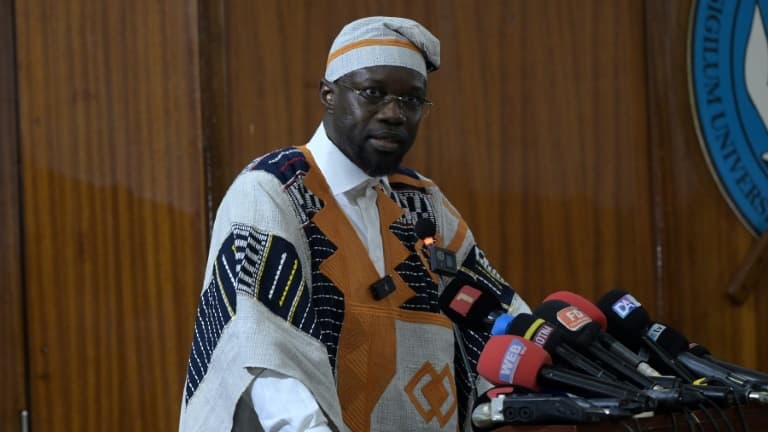
The Senegalese government has doubled the penalties for same-sex relationships, raising prison sentences to five to ten years, a move that has sparked international debate.
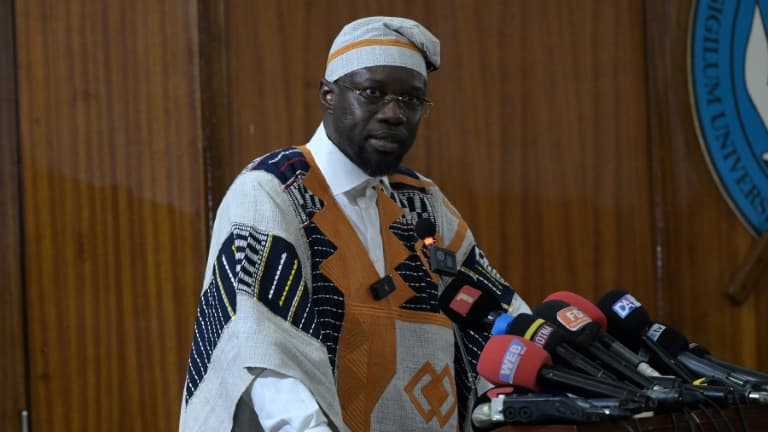
Prime minister condemns western pressure on homosexuality
During a parliamentary address, Senegalese Prime Minister Ousmane Sonko strongly criticized what he described as “a tyranny” imposed by Western nations seeking to “impose homosexuality on the rest of the world.” His remarks followed the ratification of a controversial law that significantly toughens penalties for same-sex relationships in the predominantly Muslim West African nation.
Senate passes legislation amid rising homophobia
The new law, which doubles previous sentences for LGBTQ+ relationships, was approved by parliament in early March and signed into law by President Bassirou Diomaye Faye on March 31. The legislation comes at a time of heightened anti-LGBTQ+ sentiment and a series of arrests related to alleged homosexuality in the country.
Government rejects calls for moratorium
Sonko firmly rejected any suggestion of a moratorium on the law’s enforcement, responding to a mid-May open letter from a group of nearly 30 prominent African figures published in a French newspaper. The signatories cited a “climate of fear, hatred, and violence” they claimed had taken hold in Senegal following the law’s passage.
“There will be no moratorium. Some of our elites suffer from inferiority complexes,” Sonko declared, adding that Senegal would not accept lessons from countries that have adopted such practices.
Law seen as politically expedient in Senegal
Same-sex relationships remain widely stigmatized in Senegal, and the government’s stance aligns with long-standing political promises within the ruling party. Sonko emphasized that if the law needed further strengthening, it would be done, reaffirming the state’s commitment to curbing what it views as the spread of homosexuality.
“The justice system must ensure the law is applied fully, impartially, and rigorously,” he stated, stressing that the primary goal of the legislation is to “put an end to the proliferation of this phenomenon.”
International criticism met with defiance
Sonko’s comments follow widespread international condemnation, particularly from Western governments and human rights organizations, which have labeled the law as regressive and discriminatory. The Prime Minister dismissed these criticisms, arguing that no Asian, African, or Arab country had joined in the condemnation. “If they have chosen these practices, that is their concern,” he asserted. “We will not take lessons from them—absolutely not.”