

As the grand celebrations of the Magal of Touba draw to a close across Senegal, a distinct sentiment of apprehension often settles among the nation’s civil servants. While millions of devoted pilgrims joyfully commemorated the departure of Cheikh Ahmadou Bamba Mbacké, founder of the Mouride brotherhood, the transition back to everyday routines for public sector employees frequently ushers in a challenging reality.
The annual Magal, a cornerstone of Senegalese spiritual and cultural life, necessitates a significant mobilization of resources and personal finances. Families commonly incur substantial expenses for travel, offerings, and elaborate hospitality during this sacred period. For many civil servants, balancing these considerable financial outlays with their ongoing household budgets can induce notable strain, particularly in the immediate aftermath of the festivities.
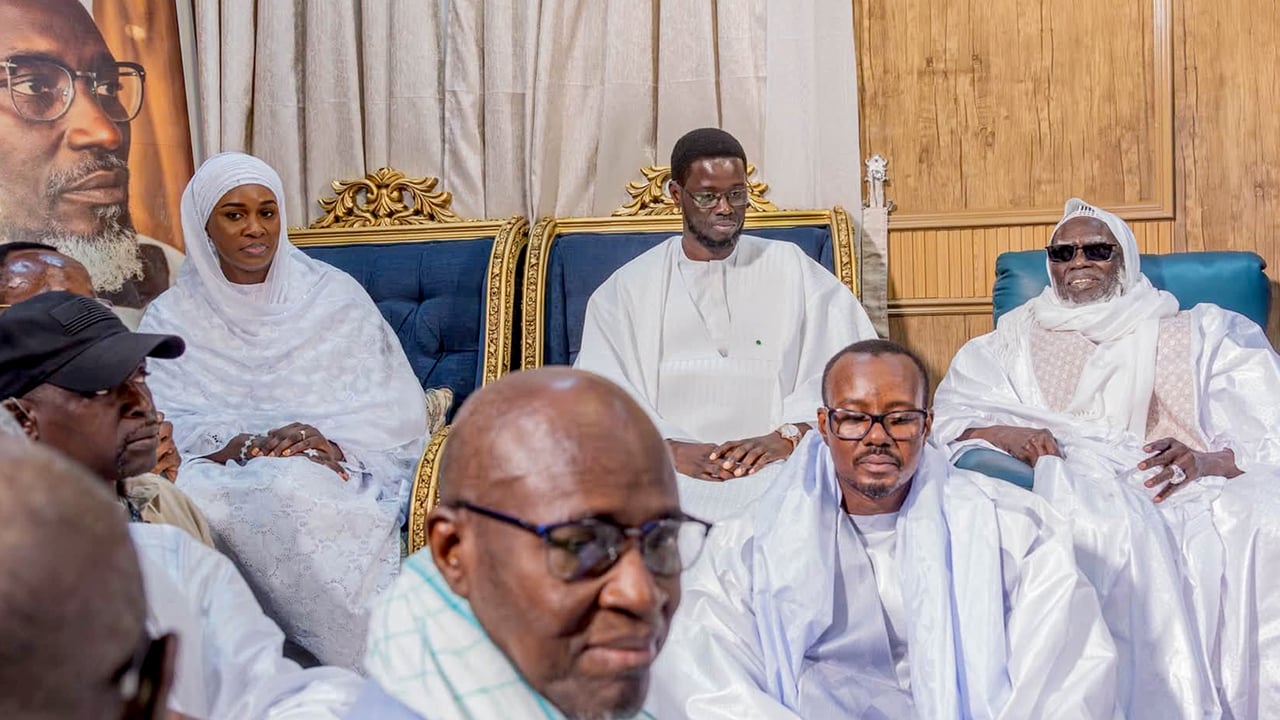
The accompanying image captures a moment of national unity and spiritual devotion, featuring President Bassirou Diomaye Faye alongside the revered Khalife Général des Mourides, Serigne Mountakha Bassirou Mbacké. This scene, set in the holy city of Cheikh-Ahmadou-Bamba just before the Grand Magal of Touba, underscores the event’s profound importance to the state and its populace. Yet, beneath the veneer of collective reverence, numerous public employees grapple with the practical implications of post-holiday financial recovery and the diligent resumption of their professional duties.
For these dedicated individuals, the period following Magal is frequently characterized by a renewed focus on fiscal prudence and the anticipation of their upcoming salaries, highlighting the economic pressures that can shadow even the most cherished national observances in Senegal.