
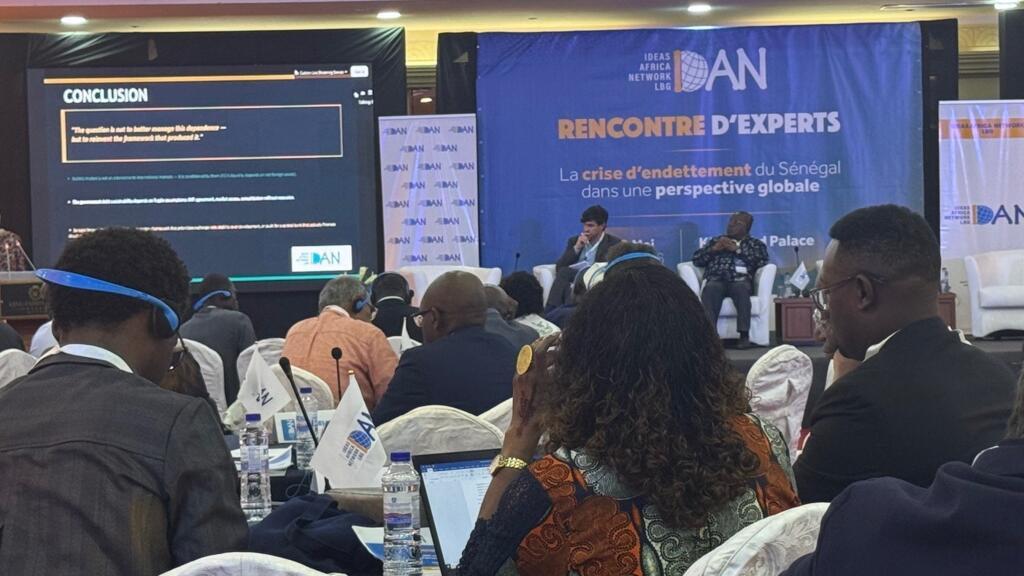
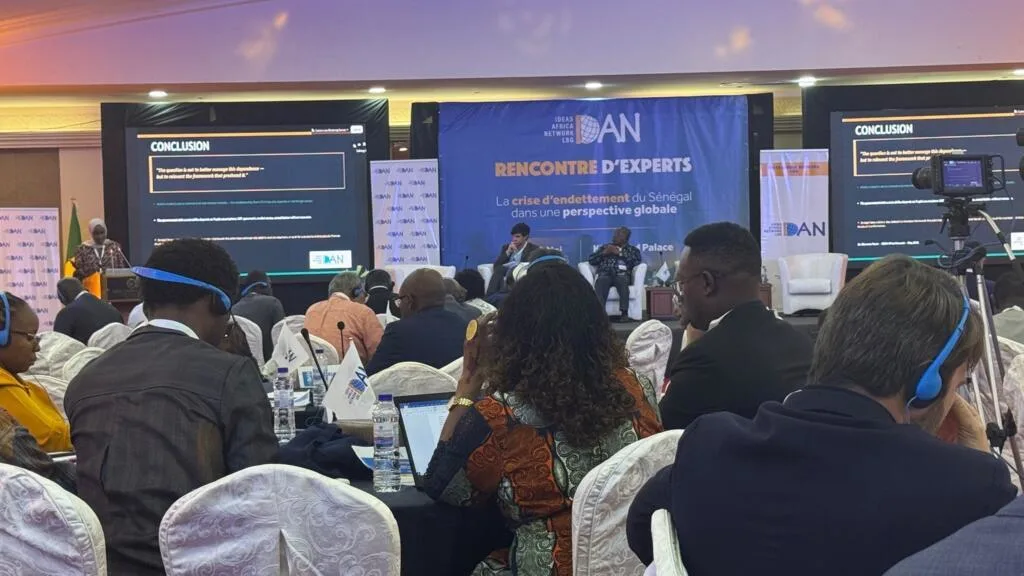
The Sénégal government is facing mounting pressure to address its unsustainable debt burden, as local experts and economists advocate for innovative solutions beyond traditional International Monetary Fund (IMF) restructuring mechanisms. A high-level conference in Dakar, initially scheduled to be opened by Prime Minister Ousmane Sonko, took a different turn when he was absent due to illness, as confirmed by Justice Minister Yacine Fall.
The event proceeded under the patronage of Ayib Daffé, President of the parliamentary group Patriotes africains du Sénégal pour le Travail, l’Éthique et la Fraternité (PASTEF), who emphasized the urgency of adopting broader perspectives and moving away from conventional approaches. Specifically, the government remains firmly opposed to the IMF’s debt restructuring proposal, which would involve renegotiating repayment terms amid the country’s inability to meet its obligations to foreign creditors.
why traditional debt solutions fall short
Economists at the conference unanimously agreed that Sénégal‘s external debt has become untenable, contradicting earlier government assertions. Current state revenues are insufficient to cover both principal and interest payments, forcing the nation to borrow merely to service existing debts—a strategy made unsustainable by rising interest rates. According to economist Souleymane Bah, “The nation’s current income cannot sustain principal and interest repayments. Borrowing to repay is no solution when interest rates continue to climb.”
Ndongo Samba Sylla, researcher and economist with Ideas Africa Network, criticized the IMF’s approach, stating it prioritizes creditor interests over economic transformation. “The IMF promotes a purely accounting-based, pro-creditor approach. Their focus is on lending to signal creditworthiness, not to fund economic transformation,” Sylla explained. This perspective has fueled calls for exploring alternative strategies to address the debt crisis.
exploring viable alternatives
Participants at the conference proposed several innovative solutions, including:
- Monetary system reform: Reevaluating currency policies to reduce reliance on external borrowing.
- Exiting the Franc CFA: Debating the transition away from the region’s shared currency to regain monetary sovereignty.
- Debt cancellation campaigns: Pursuing the annulment of portions of debt deemed “illegitimate,” particularly loans contracted under opaque conditions without proper disclosure by previous administrations.
These proposals underscore a broader desire among economists to move beyond the IMF’s conventional frameworks and explore solutions aligned with Sénégal‘s long-term economic goals.
a divided approach to debt management
While economists in Dakar deliberated alternative strategies under the auspices of Prime Minister Sonko, President Bassirou Diomaye Faye was in Nairobi meeting IMF Managing Director Kristalina Georgieva. However, no concrete progress has been reported from these discussions, leaving the nation at a crossroads between traditional IMF-led solutions and innovative domestic alternatives.
As Sénégal grapples with its escalating debt crisis, the debate between adhering to IMF-prescribed measures and pursuing homegrown solutions continues to intensify. The outcome of these deliberations could shape the country’s economic trajectory for years to come.