
This mechanism will enable deputies to scrutinize the effective and transparent utilization of public funds.
A significant legislative reform has recently been implemented within Senegal’s parliamentary landscape. On Friday, August 26, 2026, the National Assembly officially established the Committee for the Evaluation of Public Policies (CEPP). This crucial new body finally brings to fruition a commitment stemming from the 2016 constitutional review, marking a pivotal moment for transparency and robust governance across the nation.
The CEPP transcends the role of a mere additional committee within the parliamentary corridors. Its strategic mandate involves assessing the tangible impact of state investments on the daily lives of Senegalese citizens. This institution is designed to structure, execute, and monitor the evaluation of government policies. Through this framework, parliamentarians gain the capacity to ascertain whether public funds are being deployed effectively and with utmost transparency.
No longer will lawmakers simply cast votes on legislation; they will now possess a technical arm to gauge the efficacy of governmental actions. To ensure its broad legitimacy, the CEPP incorporates key figures from the National Assembly. Its composition reflects a balanced representation of all political factions within the legislative body, including the President of the National Assembly, the heads of parliamentary groups, the chairs of the 14 permanent commissions, the representative for non-affiliated deputies, and nine additional deputies appointed proportionally to their political strength.
This inclusive structure guarantees a democratic equilibrium, integrating both the majority and opposition into the vital process of overseeing public actions.
Ousmane Sonko assumes leadership of the bureau
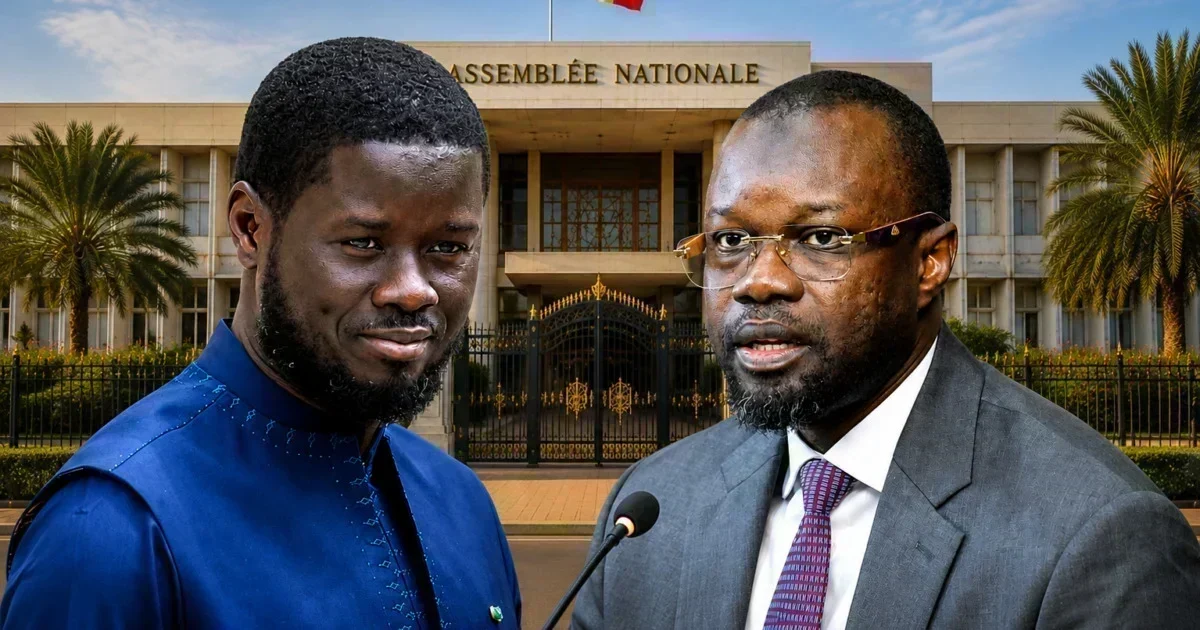
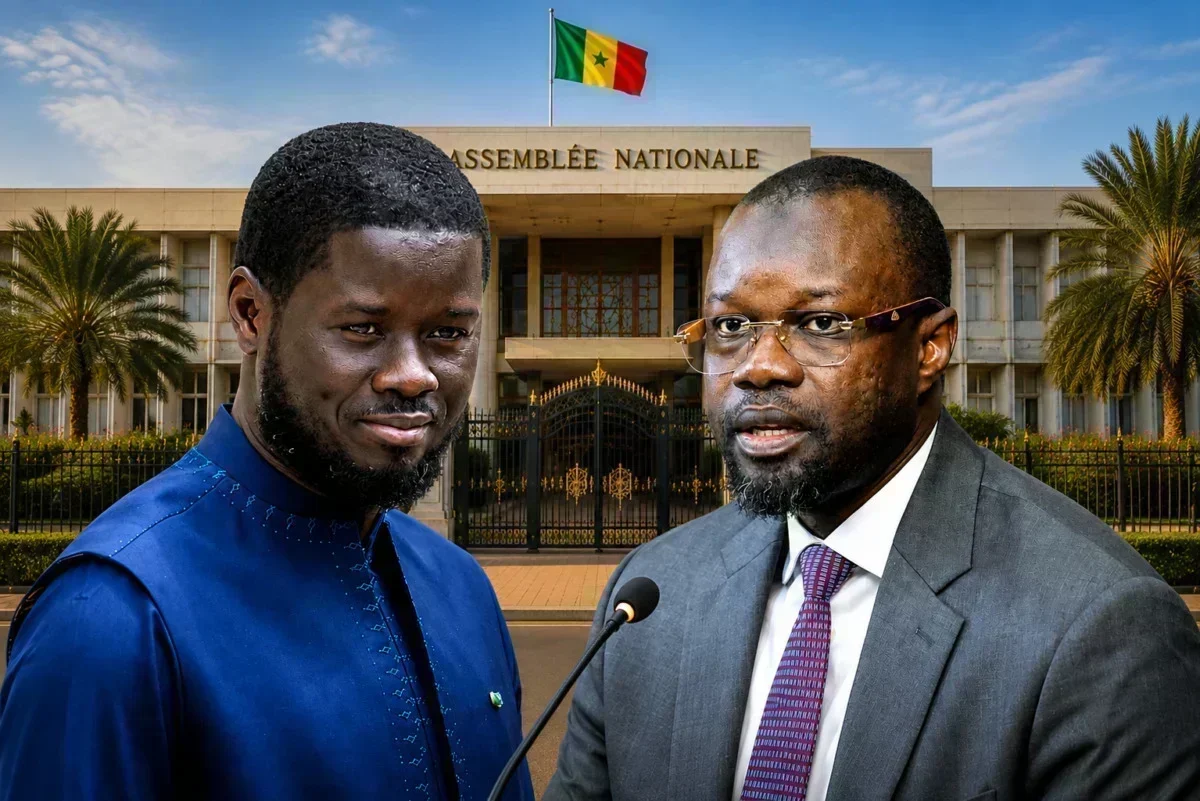
During its inaugural session, the CEPP’s bureau was elected to steer the initial endeavors of the newly formed body. As widely anticipated, the presidency was entrusted to Ousmane Sonko, who currently serves as the President of the National Assembly. His leadership will be indispensable in endowing the committee with the necessary authority when engaging with the Executive branch.
He will be supported by Mohamed Sall, who was chosen as the first vice-president, and Djimo Souaré, appointed as the second vice-president. The administrative oversight and report drafting responsibilities will be managed by Béatrice Germaine Faye and Adama Diallo, serving as the first and second secretaries, respectively.
This election ushers in a new era for Senegalese parliamentarism. The CEPP is expected to swiftly establish its operational agenda. Citizens will now eagerly await the initial evaluation reports, particularly concerning critical sectors such as healthcare, education, and the national economy.