
The critical question on every Ivorian’s mind
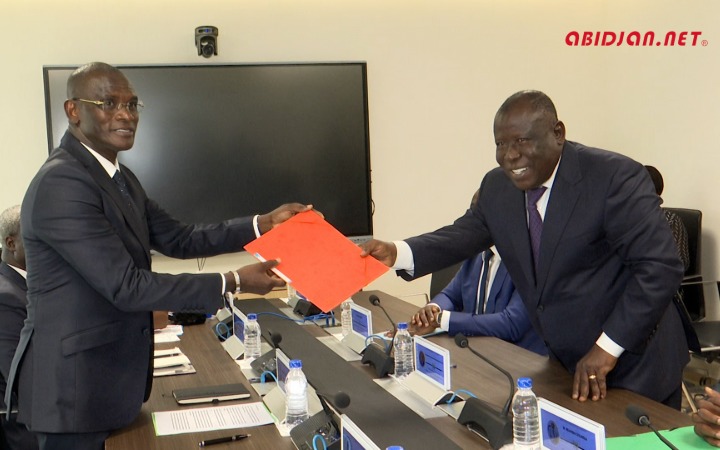
As Côte d’Ivoire prepares for another pivotal electoral cycle, all eyes are on a bold proposal from the ruling party RHDP. The question on everyone’s lips: can this new electoral body finally restore public confidence in the voting process? The RHDP has just handed over its comprehensive reform package to the Interior Minister, setting the stage for what could be a defining moment in the country’s democratic journey.
What exactly is in RHDP’s electoral reform proposal?
The ruling coalition’s blueprint outlines several key innovations designed to address longstanding concerns about electoral integrity:
- Independent electoral commission: Proposes a restructured electoral body with enhanced autonomy from political interference
- Biometric voter registration: Mandates nationwide implementation of digital voter rolls to eliminate duplicate registrations
- Real-time results transmission: Introduces electronic vote counting with transparent data transmission protocols
- Enhanced observer access: Guarantees expanded monitoring rights for domestic and international observers
- Strict campaign finance rules: Implements transparent reporting requirements and spending limits
Why this reform could be a game-changer
Côte d’Ivoire’s electoral history has been marked by periodic crises of confidence, with opposition parties and civil society frequently alleging irregularities. The RHDP’s proposal directly targets these pain points:
- Addressing historical grievances: The reforms aim to address concerns that have fueled past post-election violence
- Economic implications: Restoring trust could unlock billions in stalled foreign investment
- Regional stability: A credible electoral process would reinforce Côte d’Ivoire’s position as West Africa’s economic anchor
- Youth engagement: Modernized processes could help re-engage younger voters who have grown disillusioned with the system
Immediate reactions and next steps
While political reactions have been mixed, there’s cautious optimism among civil society groups. The proposal has triggered:
- Parliamentary debate: The National Assembly has scheduled urgent hearings on the reform package
- Expert consultations: Electoral commission members are engaging with international observers
- Public forums: Community meetings are being organized across all 31 regions
The Interior Minister has indicated the government will review the proposals within 30 days, with implementation of key components expected before the next electoral cycle.
What remains to be seen
The coming weeks will be decisive in determining whether Côte d’Ivoire can transcend its electoral history. Key challenges include:
- Political will: Whether all parties will accept the outcome of this new system
- Implementation speed: Capacity constraints in rolling out biometric systems nationwide
- Public education: Ensuring all citizens understand the new procedures
- Legal framework: Passing necessary amendments before deadline
The stakes couldn’t be higher. For Côte d’Ivoire, this reform represents more than just an electoral overhaul—it’s a test of whether the nation can finally achieve the stability and prosperity promised by its democratic ambitions.