
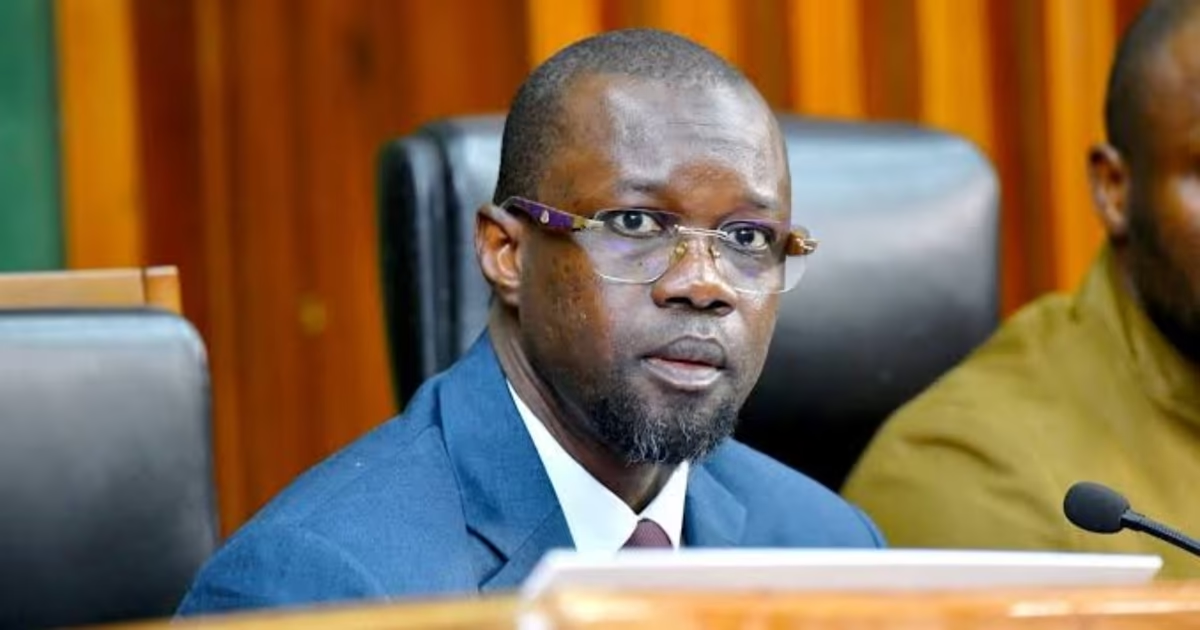
Ousmane Sonko, Speaker of Senegal’s National Assembly, has cut short the legislative recess, summoning lawmakers for an emergency session this Friday at 3 p.m. The move follows the Constitutional Council’s decision to strike down Law No. 18/2026, which proposed sweeping constitutional reforms. While the high court’s ruling is binding, the abrupt recall raises questions about the Assembly’s next steps and the future of governance in Senegal.
a surprise return from recess
The summer parliamentary recess, which officially began on June 30, has been abruptly interrupted. Just days after lawmakers adjourned for the break, President Sonko has called an emergency meeting of the Assembly’s bureau to address the fallout from the Constitutional Council’s landmark decision. This unexpected development has left many observers wondering about the motivations behind the summons and the potential implications for Senegal’s political landscape.
the constitutional reform that stalled
Law No. 18/2026, aimed at amending key provisions of the constitution, was intended to reshape the country’s governance framework. However, the Constitutional Council’s ruling has put an end to those ambitions, at least for now. While Sonko initially acknowledged the court’s authority—stating that its decisions must be respected—his decision to reconvene lawmakers suggests deeper strategic calculations at play. The emergency session may signal an attempt to regroup, reassess, or even reintroduce modified versions of the reforms.
what’s next for Senegal’s parliament?
The timing of this emergency meeting is significant. With the recess cut short, lawmakers will now face a compressed schedule to address the legal and political vacuum left by the annulment of Law No. 18/2026. The outcome of Friday’s meeting could set the tone for how Senegal navigates this constitutional crisis, particularly as the country grapples with broader questions about governance, reform, and institutional stability.