
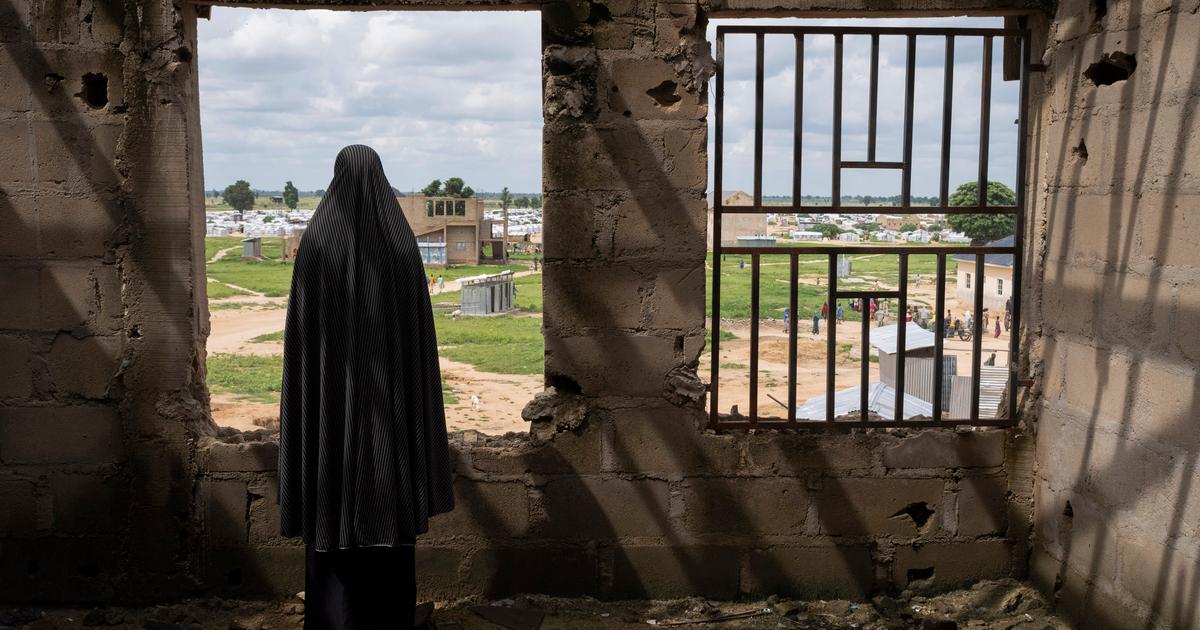

Behind the headlines of mass abductions in Nigeria‘s northeastern states, the stories of survivors like Aisha, Juliana and Hauwa remain largely unheard. A recent Nigeria-based report delves into their harrowing ordeals, exposing the dual tragedy of captivity and societal rejection that persists long after their escape.
For Aisha, a peaceful evening in April 2014 turned into a nightmare when Boko Haram militants stormed her village of Gamboru Ngala in Borno State. While preparing a stew—her children’s favorite meal—she had no time to flee as her brother was killed before her eyes. She was forcibly taken to a camp, then a tent where a bearded commander announced she would become his wife. “Night after night, they dragged me from the room to rape me,” she reveals, her voice trembling with the weight of memory.
After two years of captivity, multiple forced marriages and three pregnancies, Aisha managed to escape during a Nigerian military offensive. Yet freedom brought little relief. The stigma of being labeled a ‘Boko Haram wife’ followed her, compounding the trauma of her ordeal.
Escaping the nightmare: stories of resilience
Juliana, abducted at 15 from Adamawa State alongside her mother, endured two years in captivity before escaping with the help of an elderly woman. Her dream of becoming an IT engineer was shattered the moment militants stormed her school. “They stole my future,” she says, her eyes reflecting both sorrow and defiance.
The most protracted suffering was endured by Hauwa, who spent a decade in captivity, enduring three forced marriages and four childbirths. Upon returning home, she felt “tainted” and “branded” by the label ‘Boko Haram wife’. Her children, too, face rejection, barred from playing with peers in their community. “They treat us like outcasts,” she laments, her words a stark testament to the enduring scars of conflict.
The report also examines the critical role of transitional justice in addressing the impunity surrounding gender-based violence in conflict zones. Initiatives aimed at reintegrating survivors into society are highlighted, offering hope for healing and justice. Yet, as Juliana poignantly notes, “People congratulate me for being free, but part of my heart remains trapped in that forest. I am haunted by the women we left behind.”