
Why trusting science is key to protecting Mali and West Africa’s health
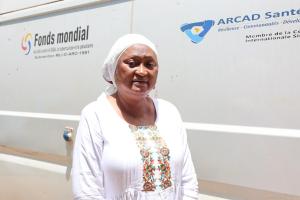
Bamako — As the world marks World Health Day 2026, with the theme “Unite for Health. Support Science”, the World Health Organization (WHO) shines a spotlight on health champions across Africa who harness science to transform lives. Among them is Dr. Bintou Dembélé, a Malian public health specialist dedicated to combating infectious diseases and strengthening health systems across Mali and West Africa.
Dr. Dembélé firmly believes science must serve communities—not just researchers. Her work focuses on turning scientific knowledge into practical solutions that prevent health crises, enhance care, and build trust between experts, policymakers, and the public. On World Health Day, she shares her vision for a science that is accessible, collaborative, and deeply rooted in real-world impact.
Why science is essential for protecting public health today
The role of science in health has never been more critical. It drives the discovery of life-saving drugs, vaccines, and treatments for both long-standing and emerging diseases. Beyond treatment, science empowers prevention by revealing how illnesses spread and how communities can reduce risks before outbreaks occur.
It also improves diagnostic tools, medical equipment, and healthcare delivery, strengthening health systems so patients receive faster, more effective care. For Dr. Dembélé, science isn’t just about research—it’s about action that saves lives.
How regional scientific collaboration strengthens health in West Africa
Scientific partnerships across West Africa are a game-changer. By pooling knowledge, resources, and expertise, countries can tackle shared health challenges more effectively. From combating endemic diseases to reducing maternal and child mortality, collaboration amplifies impact.
These alliances don’t just improve health outcomes—they also boost socio-economic resilience. When communities are healthier, they’re better equipped to thrive socially and economically, creating a ripple effect of progress across the region.
How the “One Health” approach helps communities prevent health crises
The One Health approach recognizes that human, animal, and environmental health are deeply interconnected. By understanding these links, communities can better anticipate and prevent health threats before they escalate.
This strategy encourages local surveillance, fosters dialogue between scientists and the public, and values traditional knowledge. It turns communities into active participants in their own health protection, ensuring no one is left behind in the fight against disease.
Turning scientific data into real-world health solutions faster
Scientific data is a powerful public good—but only if it’s used. To drive change, findings must be rapidly analyzed, shared, and integrated into policies and programs. This speeds up decision-making, optimizes resource use, and ensures health interventions meet the needs of the people they serve.
For Dr. Dembélé, the goal is clear: science shouldn’t sit on shelves. It must be a driving force behind every health strategy, every clinic, and every community health initiative.
Building trust in science: how to engage communities effectively
Trust in science grows when information is clear, accessible, and relevant to people’s lives. Sharing findings in local languages, through trusted channels, and with transparency helps bridge the gap between experts and the public.
When communities understand the science behind their health, they’re more likely to support it—and even advocate for it. This creates a powerful movement where science becomes a shared tool for collective well-being.