

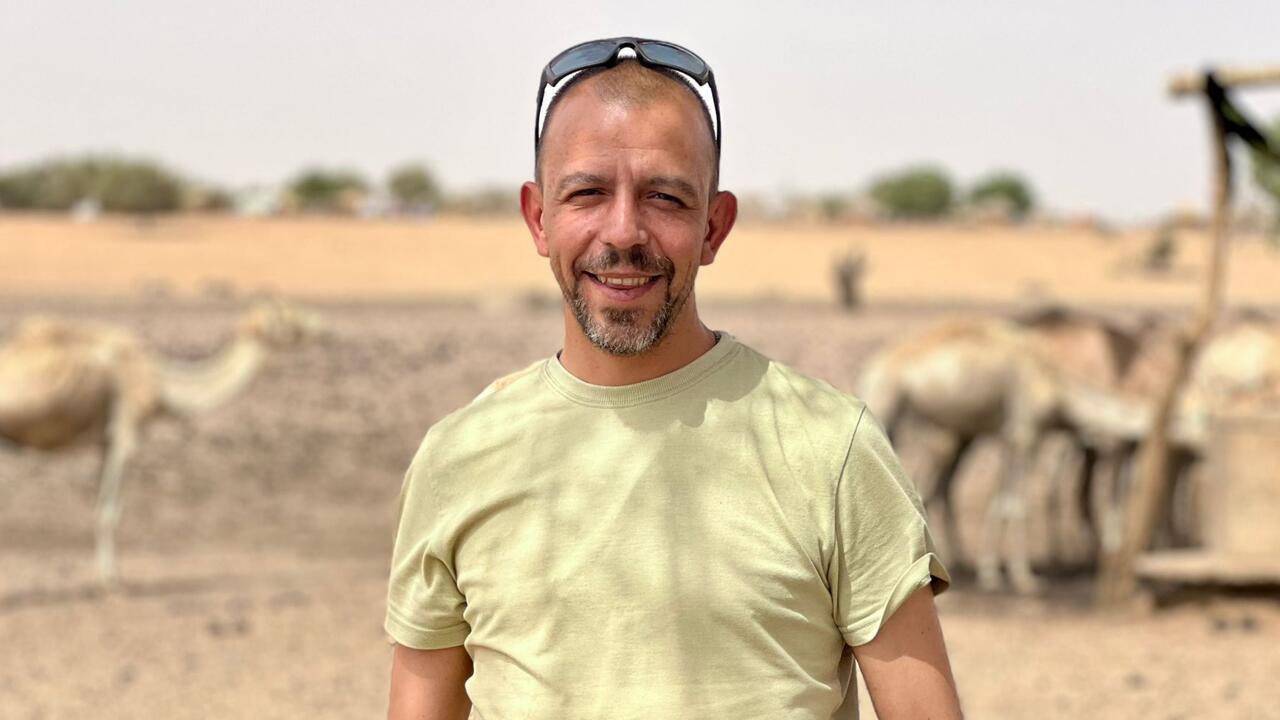
Joseph Figueira, a respected Belgian-Portuguese researcher, endured a harrowing two-year captivity in the Central African Republic’s most notorious detention centers. His release on April 7, 2026, after intense negotiations, marked the end of a nightmare that began with his arrest near Zemio, in the country’s southeastern region.
In this exclusive account, Figueira reveals the chilling moments he faced in Bria, where he believed his life would end. His story sheds light on the shadowy operations of Wagner Group mercenaries and raises critical questions about the motivations behind his detention.
The arrest and the shadow of Wagner Group
Figueira’s ordeal began in Zemio, where he was working on humanitarian projects. His arrest by Russian Wagner Group mercenaries on May 26, 2024, was not a random act. Questions persist about whether his detention was politically motivated, designed to serve as propaganda in the Central African Republic’s turbulent landscape.
A captivity marked by despair
In the heart of Bria, one of the most feared detention sites, Figueira faced unimaginable conditions. He recalls moments when hope seemed lost, describing the terror of knowing his fate could be sealed at any time. His account offers a rare glimpse into the brutality of Wagner’s operations and the vulnerability of foreign researchers in conflict zones.
Freedom achieved through humanitarian intervention
After 22 months of detention, Figueira’s release on April 7, 2026, came as a relief to his family and supporters. The decision was framed as a humanitarian gesture, but the circumstances surrounding his captivity and the role of international pressure remain subjects of intense debate.
Reflections on survival and resilience
Now reunited with his family in Portugal, Figueira reflects on the lessons learned from his ordeal. His story is a testament to human resilience in the face of adversity and a stark reminder of the dangers faced by those working in regions plagued by instability and foreign mercenary presence.
Unanswered questions linger
As Figueira rebuilds his life, critical questions remain unanswered: Why was he specifically targeted? What role did propaganda play in his detention? And what does his case reveal about the broader security challenges in the Central African Republic?