
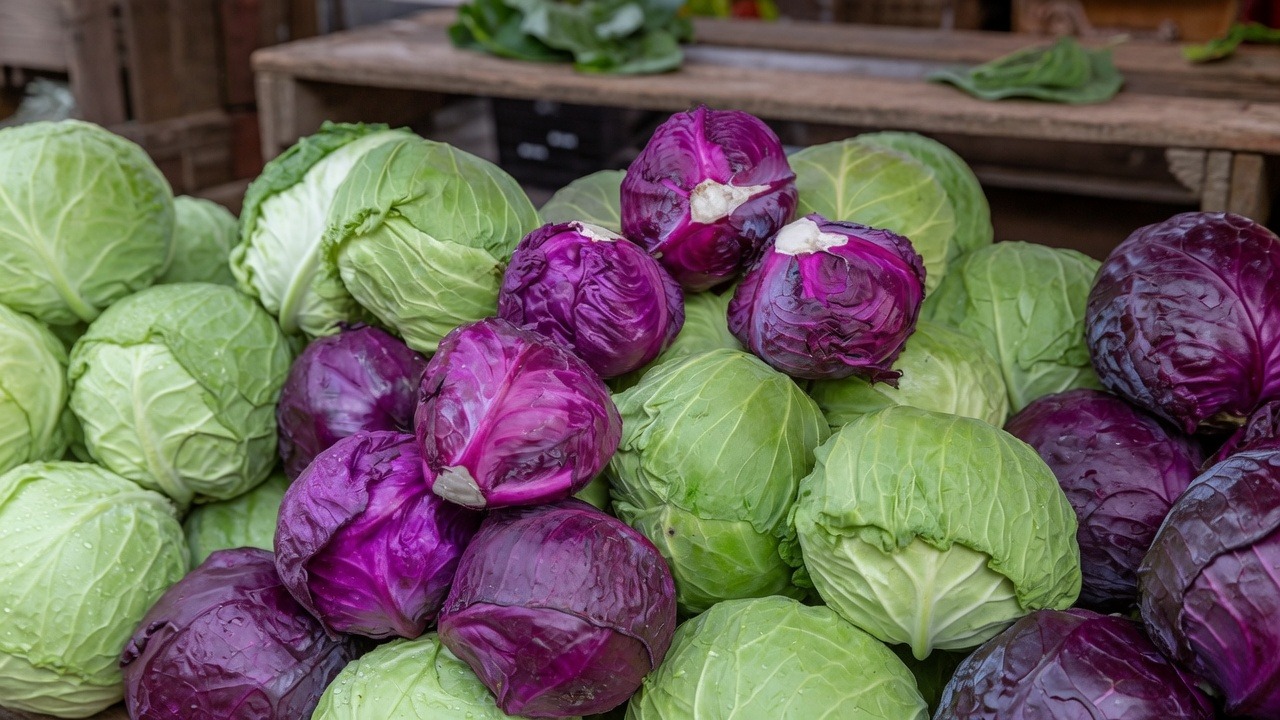
Niamey is grappling with an alarming surge in essential vegetable prices, exposing deep-rooted flaws in agricultural strategy and government inaction. As households struggle to keep up with the rising cost of staples like tomatoes and cabbage, the crisis underscores a long-standing failure to plan ahead and a lack of policy response.
why seasonal transitions are turning into a financial burden
The late July period in 2026 has brought a harsh reality for Niamey’s residents: a basket of tomatoes or a sack of cabbage now costs far more than most can afford, pushing families further into food insecurity. While the seasonal shift between domestic harvests and cross-border imports from Benin, Nigeria, and Ghana is a familiar pattern, the current price hike reveals the true culprit—it’s not the weather, but the absence of foresight and strategic action.
the cost of neglecting agricultural infrastructure
The recurring nature of this crisis stems from systemic gaps that have gone unaddressed for years. Instead of building resilience, Niger’s agricultural model remains dangerously exposed:
- Storage failures: Without sufficient cold storage and preservation facilities, surplus crops from earlier seasons cannot be stockpiled to stabilize supply throughout the year.
- Processing gaps: A lack of local processing plants—particularly for tomatoes—means the country misses opportunities to create buffer stocks, leaving it at the mercy of volatile imports.
- Over-reliance on seasonal cycles: Domestic production remains hostage to natural conditions, with no modern hydro-agricultural systems in place to ensure year-round cultivation and reduce dependency on neighboring countries.
What should be a routine logistical adjustment has instead become a full-blown affordability crisis, all because of shortsightedness and a refusal to invest in sustainable solutions.
where are the government’s solutions?
As prices skyrocket—with wholesale costs reaching 35,000 FCFA for a basket of tomatoes from Nigeria and 25,000 FCFA for cabbage—households are left without relief. Despite clear evidence of market manipulation and speculative pricing, authorities have yet to take decisive action to:
- Curb excessive profit margins in wholesale and retail markets.
- Implement targeted subsidies or price controls to shield vulnerable families.
- Publish a transparent plan to prevent a repeat of this crisis next season.
The silence from decision-makers suggests a surrender to cross-border market forces, leaving citizens to bear the brunt of soaring costs. For a country with such agricultural potential, this dependence on imports has become an avoidable fate—one that could be reversed with bold, forward-thinking policies.
time for accountability and action
The recurring pattern of food price surges demands urgent change. Rather than accepting this as an inevitable cycle, Niger’s leadership must break the pattern by committing to a clear, actionable strategy for vegetable farming. The time for hesitation is over—families in Niamey deserve better.