
Tabaski celebrations in Bamako under jihadist blockade pressure
“In 30 years living in Bamako, this will be the first time I celebrate Tabaski here,” admits Alpha Amadou Kané, a 40-year-old from Mopti in central Mali. The longtime resident had planned to return to his hometown for the Muslim festival with family, but chose to stay home this year after jihadist attacks targeted public transportation.
Since late April, armed groups linked to Al-Qaeda have enforced a partial road blockade on key routes leading to Mali’s capital. The strategy involves burning buses and cargo trucks to disrupt movement, creating a ripple effect that reaches Bamako’s markets.
While the blockade remains incomplete, the images of smoldering vehicles have been enough to deter transport companies from operating their usual routes to the capital, leaving residents stranded without their traditional holiday travel options.
Tabaski in Mali represents more than religious observance—it’s a social cornerstone where families reunite, particularly those separated for months due to work commitments in remote regions.
The usually bustling bus terminals in Bamako now sit empty. Beyond security concerns, the transportation sector faces critical fuel shortages that have crippled operations.
“We’re not just facing irregular fuel supplies—we’ve lost entire buses to recent attacks. This represents an enormous financial loss,” explains a local travel agency manager who requested anonymity.
“Under normal circumstances, we could transport over 50,000 people from Bamako to the interior in a single week during Tabaski. This year, we’re not running any services,” reveals an operations manager from a major transport company.
Families forced to break generations-old traditions
Wara Bagayoko, a lifelong Bamako resident, faces an emotional dilemma: for the first time in three decades, he won’t make the annual journey to his ancestral village in the Ségou region. “The road is simply too dangerous now,” he admits, reflecting the collective resignation affecting households across the capital.
Some transport services continue operating through alternative routes or under military escort, but the risks remain prohibitive for most travelers and freight services.
Rising costs strangling the livestock supply chain
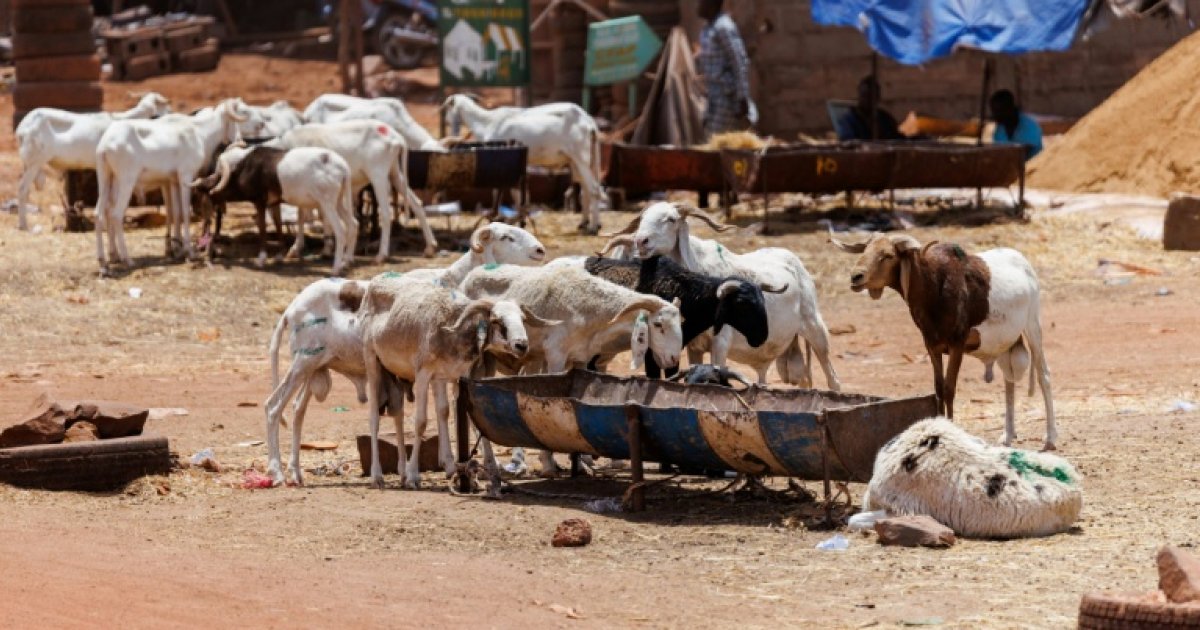
The transportation paralysis has devastated the cattle trade, essential for Tabaski’s ritual sacrifices. Traders from pastoral zones struggle to move livestock to Bamako, the country’s primary marketplace.
Transport costs for a single animal have skyrocketed from the usual 2,500-2,750 West African francs (approximately €4) to as high as 15,000-18,000 francs (€22-27), according to transporter Alassane Maïga.
This price surge translates to scarcity and sharply higher costs for sheep—the animals sacrificed in remembrance of Abraham’s willingness to offer his son. With Mali’s minimum wage standing at 40,000 francs (€60), these prices are prohibitive for most families.
“Many livestock trucks have been burned by the militants… Normally I handle over 1,000 animals, but now I have none,” explains Hama Ba, a Bamako-based seller. “Sheep that cost 75,000 francs (€114) previously now sell for 300,000 francs (€457). The selection is practically nonexistent,” adds Iyi, who desperately searches for an affordable ram within her budget.
Basic services collapse as power cuts escalate
Bamako residents confront additional hardships beyond security threats: critical shortages in electricity and potable water plague the capital. Prolonged power cuts have disrupted daily life, particularly affecting Tabaski preparations.
“Tailors can barely fulfill orders because of electricity blackouts. I’ve tried using small solar panels, but they can’t replace mains power,” shares Alou Diallo, a local dressmaker preparing festive garments.”
The situation extends to households fearing food spoilage. “How can we preserve meat without electricity? Buying an expensive sheep only to lose the meat within 24 hours because of power cuts is our worst nightmare,” confesses a mother from the Sirakoro district.
In recent days, Malian authorities announced the arrival of hundreds of fuel tankers in Bamako, offering a glimmer of hope for restoring some essential services.
Community resilience in challenging times
Despite these unprecedented challenges, Bamako’s residents demonstrate remarkable resilience, adapting traditions to their constrained circumstances. The spirit of Tabaski endures, though celebrations look vastly different this year—quieter, more introspective, and deeply conscious of the sacrifices required to maintain family bonds against overwhelming odds.