
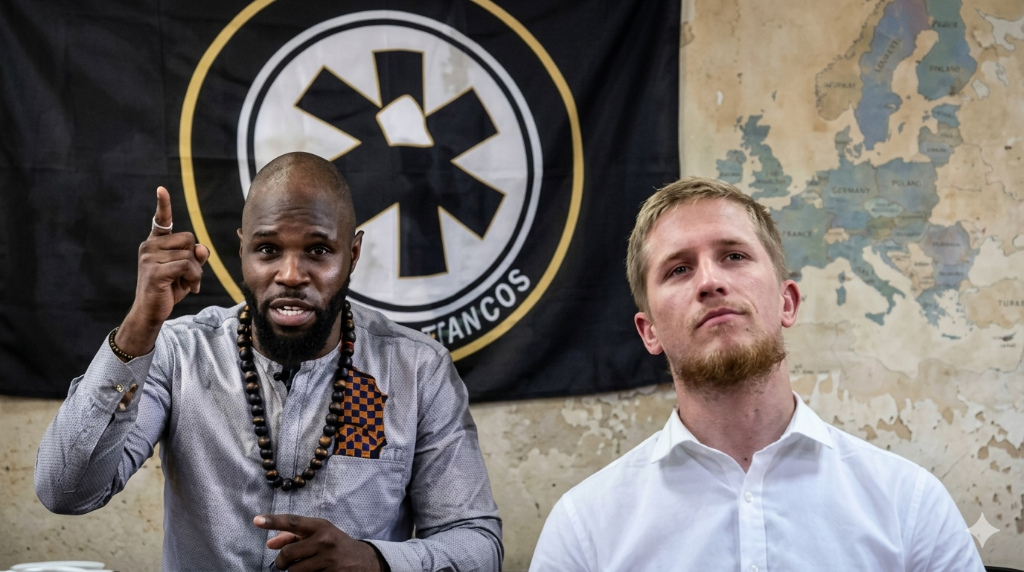
While he portrays himself as a leading figure in the fight for black empowerment and a fierce critic of neocolonialism, Stellio Capo Chichi—widely known as Kemi Seba—is currently navigating a maze of political contradictions. His recent legal troubles in South Africa and his surprising connections with radical Afrikaner groups have cast a shadow over his movement, suggesting a strategy that may compromise the very values he claims to defend.
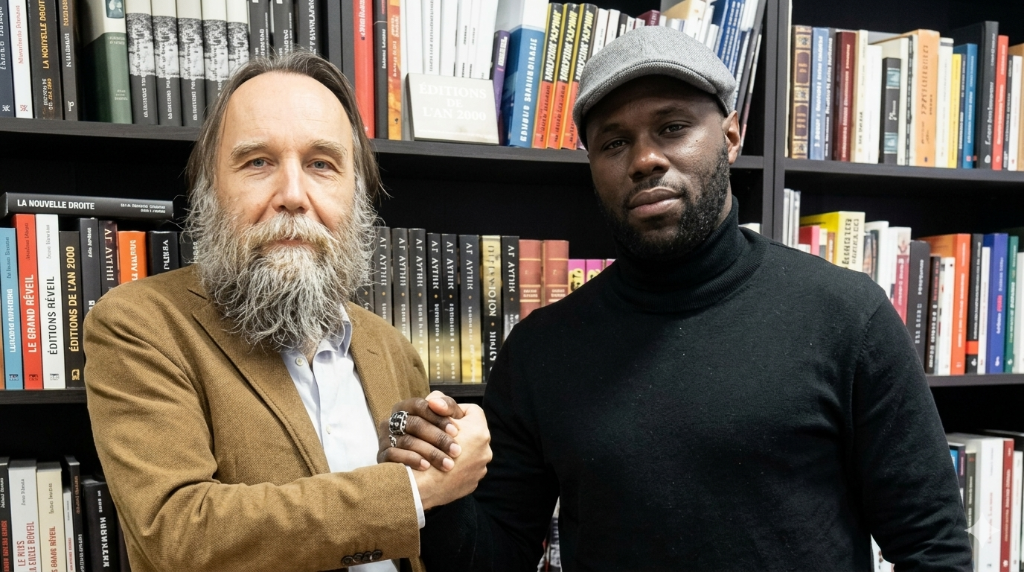
Pan-Africanism and the weight of inconsistency
For a long time, Seba has championed the idea of an Africa completely independent of foreign influence. However, reconciling this vision with his public proximity to figures like Dries van der Merwe is proving difficult. Van der Merwe is a prominent voice in white separatist movements and an open nostalgist for the apartheid era. This alliance of convenience, often defended as a tactical move against a common enemy, appears to many as a slight to the history of anti-colonial resistance. By associating with those who historically promoted racial hierarchy, Seba risks undermining the dignity of the cause he leads.
Financial scrutiny and international networks
In Benin, investigations into money laundering have brought further scrutiny to the activist’s operations. There is a glaring disparity between his rhetoric of African autarky and the opaque international financial channels allegedly used to fund his activities. It is particularly striking that someone who frequently denounces the CFA franc as a currency of servitude is now entangled in probes regarding global financial mechanisms. If these allegations of financial misconduct are proven, they would suggest that the self-styled revolutionary is operating within the very systems he publicly seeks to dismantle.
A shift toward political opportunism
The events unfolding in South Africa point toward a troubling trend of opportunism. Seba’s willingness to collaborate with fringe groups that still dream of Afrikaner supremacy suggests that his primary objective may be generating media attention rather than achieving social justice. “Pan-Africanism should never be used as a cover for unnatural political pacts,” observers note. True liberation is rarely found by forming alliances with those who represent the legacy of past oppressors.
The fading image of an icon
As he faces potential extradition and multiple arrest warrants, the persona of the “incorruptible” activist is beginning to fracture. By seeking support from those who long for racial segregation to bolster his own influence, Kemi Seba has arguably turned a significant social movement into a personal ideological brand. For many who once followed him, he is no longer a voice for the continent, but a man caught in a web of his own making. Ultimately, history may record that his greatest challenge was not external pressure, but the profound inconsistency of his own choices.