

Beyond being neighbors in the Sahel region of Africa, there are at least three significant factors that Burkina Faso, Mali, and Niger share.
First, all three nations are currently governed by military juntas.
Second, these regimes are responsible for significant human rights violations, including brutal atrocities. Abuse of civilians during armed conflicts is widespread, as is the curtailment of political and civil freedoms.
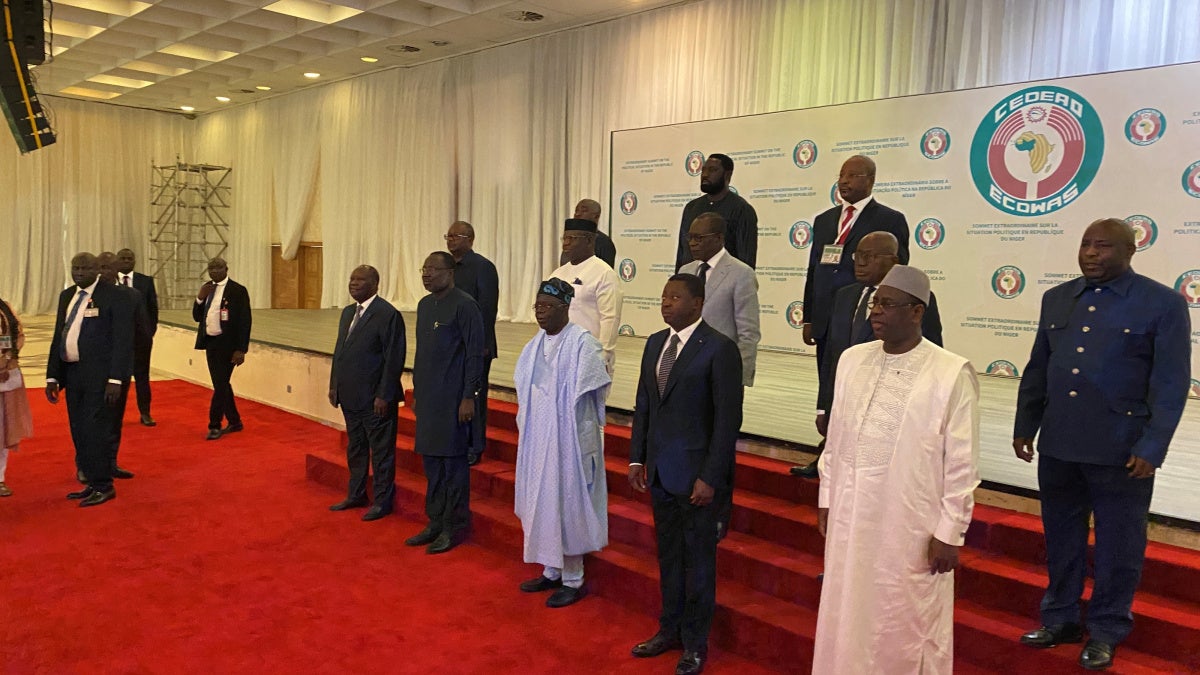
Third, each has formally withdrawn from the Economic Community of West African States (ECOWAS).
This final point is more closely tied to the previous two than it might initially seem.
Within the ECOWAS framework, there is a specialized body known as the Community Court of Justice. Since its mandate was expanded in 2005, this tribunal has been authorized to adjudicate human rights matters brought forward by residents of member states. Crucially, citizens can approach this regional court directly, without first exhausting local judicial options.
The Court has delivered landmark verdicts on human rights issues, including cases involving Burkina Faso, Mali, and Niger.
It is therefore easy to see why the military leadership in these countries—whose security apparatuses are involved in serious rights breaches—wishes to exit ECOWAS. Doing so allows them to avoid accountability by moving their actions outside the Court’s jurisdiction.
This is a strategic move for the juntas, but it represents a disaster for victims of their crimes, who are losing a primary path to justice.
Domestic avenues for redress have already been closed. The military authorities in Burkina Faso, Mali, and Niger show little interest in investigating or prosecuting security forces, armed factions, or others responsible for wartime abuses.
Consequently, victims are left with almost no remaining options for legal recourse.
In the newly formed alliance between these three nations, it is unmistakably clear that accountability and judicial integrity are no longer priorities.
A Malian political activist, currently living in exile in France, recently characterized the crisis:
« Since seizing control through force, these military administrations have consistently failed to hold perpetrators of flagrant human rights violations accountable […]. This latest action only serves to confirm their disregard for human rights and the rule of law. »