
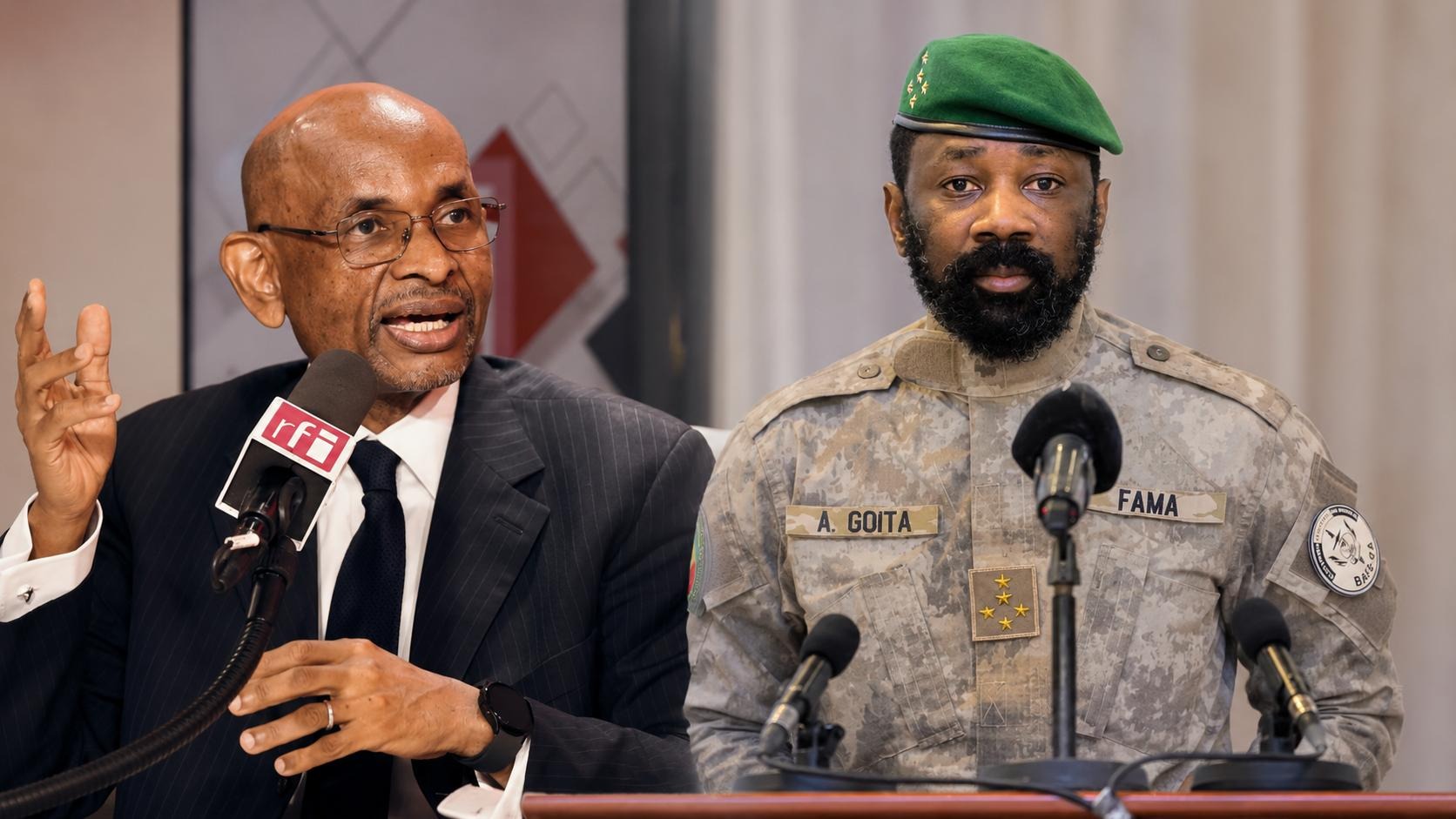
After successfully silencing dissent, shuttering independent media outlets, and suppressing free speech, authoritarian systems inevitably face a major hurdle: the economic autonomy of their people. History shows a consistent pattern where total control requires more than just managing thoughts; it necessitates controlling how citizens eat and earn their living.
Economic oversight as a pillar of authority
The military transition in Mali is currently demonstrating this predictable shift. Under the guise of a formal administrative move—the high-profile signing of a “Charter for Micro, Small, and Medium Enterprises (MPME)”—the government is entering a new phase. While official propaganda frames this as a helping hand to “organize” the private sector, it is actually a political maneuver to seize control over the freedom to do business.
In a nation where the informal economy supports over 90% of the population and serves as the primary lifeline for youth and women, this sudden push for regulation is significant. To an autocratic system, the informal sector is a threat because it operates outside official registers and escapes direct state surveillance.
By attempting to label, categorize, and subject small traders, artisans, and transporters to new state-defined criteria, the authorities are not trying to simplify business. Instead, they are extending their reach. With financial institutions and public aid programs already aligned with the current leadership, this charter establishes a framework for political patronage. In the near future, access to credit, public contracts, or even the basic right to operate may depend on political loyalty or remaining silent about the regime’s actions.
Ignoring the energy and financial crisis
Official rhetoric claims these measures address the financial and energy crises currently strangling Mali’s economic fabric. However, the situation on the ground tells a different story. Data indicates that nearly 40% of formal businesses identify lack of credit and chronic power outages as their biggest obstacles.
Administrative charters and ceremonies at the National Council of Employers will not fix failing generators or lower interest rates. By focusing on a new regulatory framework instead of crumbling infrastructure, the authorities are hiding their inability to provide the basic services necessary for a healthy economy.
The link between political and economic liberty
The history of autocratic rule proves that freedoms are interconnected. It is impossible to strip away political rights without eventually targeting economic ones. By stifling free expression, the government ensured that entrepreneurs burdened by taxes or electricity shortages could no longer protest.
Now, by attacking the freedom to innovate under the pretext of “structuring,” the Malian regime is attempting to close the final gap of independence available to its citizens: the ability to provide for themselves without relying on the military’s favor. This type of economic centralization has historically led to widespread poverty and the collapse of private initiative.