
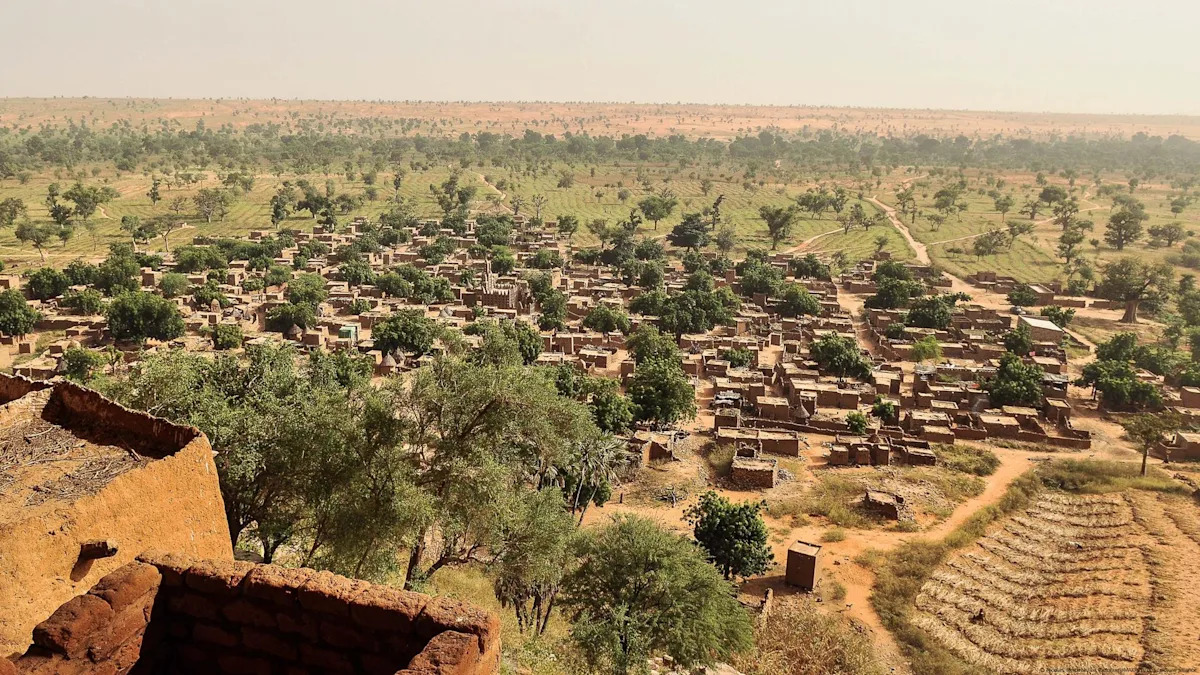
In central Mali, a significant shift is occurring as thousands of displaced individuals begin the journey back to their ancestral lands within the Bankass circle. This mass return follows the negotiation of local pacts between village communities and the Jnim (Group for the Support of Islam and Muslims), an organization linked to Al-Qaeda.
While these agreements allow residents to reclaim their houses and agricultural plots, they come with a heavy price. The insurgent groups have mandated strict social codes, including the compulsory wearing of the veil for women and a total ban on Western-style education in local schools.
Strict social mandates and school closures
The conditions imposed by these groups dictate specific dress codes and religious practices. Men are required to wear shortened trousers, and the traditional republican school system has been dismantled to prevent any form of Western teaching. Furthermore, women must adhere to mandatory veiling in public spaces.
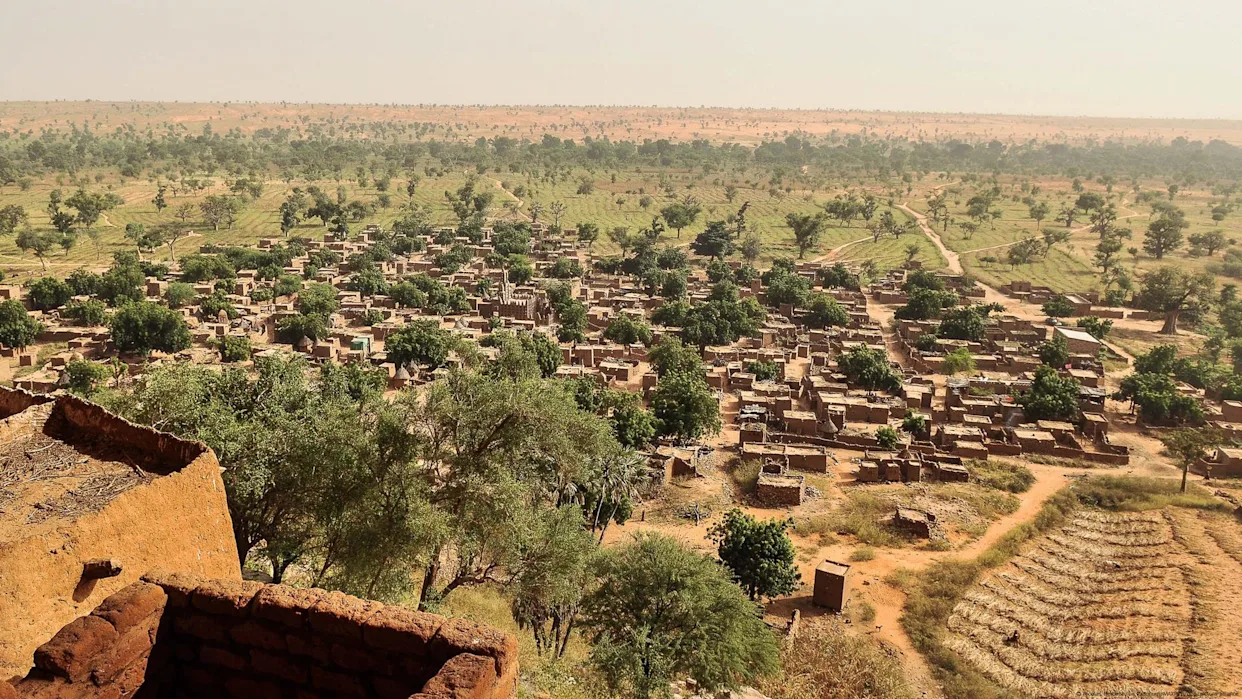
In exchange for following these directives, the villagers—primarily from the Peul and Dogon ethnic groups—have regained the freedom to tend to their crops and livestock. This development is particularly crucial as the rainy season, which began in June, is now underway across Mali.
“We have returned without our families for now”
A teacher from the village of Bare Darsalam, located in the Bankass circle, recently made the journey home after seven years in exile. Choosing to remain anonymous for safety reasons, he described the reality of returning to a conflict-scarred landscape.
He arrived ahead of his wife and children to assess the situation. Regarding the state of education and the new social rules, he noted: “Our school was leveled by armed groups back in 2019 during the initial displacement. Everything was destroyed. Even if there were a push to rebuild immediately, we would not agree to it yet. We resumed our daily lives based on the assurances provided by the mayor of Bankass. I haven’t personally started wearing the shorter trousers yet, and since our wives haven’t joined us, we haven’t seen the full implementation of the Islamic veil requirements.”
Agricultural activities resume in abandoned villages
Allaye Guindo, the mayor of the urban commune of Bankass, highlighted that these local settlements have triggered a massive wave of returns. He noted that people are moving back into numerous previously deserted areas.
“The signed agreements have paved the way for people to return to all the abandoned sites. Among the 13 villages currently receiving their inhabitants are two in Kani Bozon and one in the rural commune of Dimbal. The remaining villages are part of the Bankass commune. With the current rains, many of those who returned have safely started planting their fields. There is a general sense of relief,” Guindo explained.
Under the terms of these local arrangements, traditional leaders and community elders are expected to align with the framework established by the armed groups. This collaboration is built upon the strict application of Sharia law, which serves as the foundation for the new relationship between the militants and the local population.