
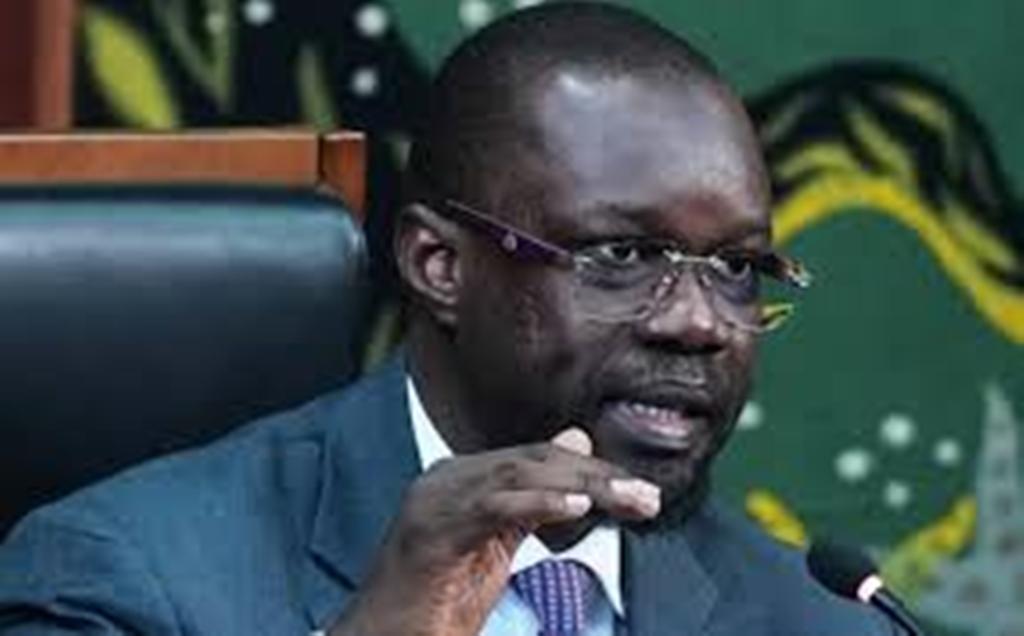
The President of the National Assembly, Ousmane Sonko, has formally requested that President Bassirou Diomaye Faye promulgate the newly adopted constitutional revision law. This legislative package received a qualified majority vote from deputies this Monday, signaling a significant shift in the nation’s governance framework.
The legislative path to reform
According to Ousmane Sonko, the Head of State does not have the authority to selectively apply specific provisions of the text or subject it to a national referendum. He maintains that the three-fifths majority achieved in the National Assembly constitutes both the final adoption and official approval of the reforms. Speaking shortly after the parliamentary session, Ousmane Sonko emphasized that “constituent power” resides within the National Assembly during such sessions.
Furthermore, the Assembly leader argued that involving the Constitutional Council was unnecessary. He pointed out that the high court has previously clarified the legal procedures required for constitutional amendments passed by the Parliament, suggesting that the current path is already legally sound and requires no further judicial validation.
Upholding democratic transparency
Ousmane Sonko also addressed President Bassirou Diomaye Faye’s reservations regarding certain aspects of the reform. Key provisions include a mandatory declaration of assets for the President upon taking and leaving office, as well as a strict prohibition against leading a political party while serving as Head of State. Ousmane Sonko noted that these very measures were core commitments championed by the current President during his time in the opposition.
Described as one of the most significant advancements for democracy in Sénégal, the reform aims to enhance transparency in public management and lower the costs associated with democratic institutions. Ousmane Sonko concluded by calling on the President to reconsider his position and enact the law immediately, arguing that a referendum would be a redundant and unnecessary step for these specific provisions.