
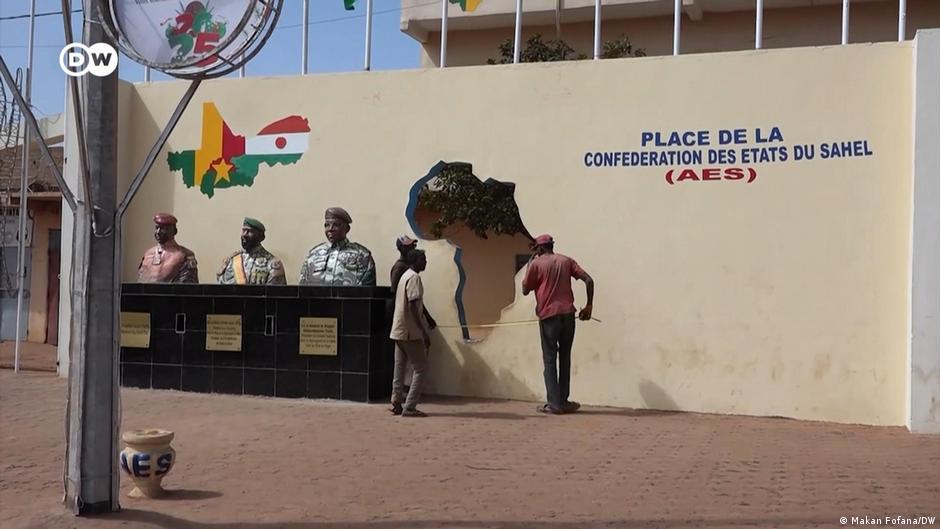
The Togo has unveiled a new phase of its strategic approach to the Sahel, positioning itself as a mediator between military-led nations like Mali, Niger, and Burkina Faso—which face escalating jihadist violence—and the international community. Announced on April 18, this initiative underscores Lomé’s evolving role in balancing regional security concerns with diplomatic engagement.
According to Robert Dussey, Togo’s Minister of Foreign Affairs, the updated strategy is a direct response to the Sahel’s transformation into a hotspot for terrorism, threatening regional stability. The three-pillar plan aims to:
- Strengthen regional collaboration to combat insecurity and foster peace;
- Facilitate diplomatic conditions conducive to stability and dialogue;
- Support political normalization in post-coup nations, addressing governance gaps left by the removal of elected governments.
Experts like Jean Emmanuel Gnagnon, a researcher at the University of Lomé specializing in state governance and crisis management, acknowledge the strategy’s partial success. “The Togo has managed to curb the southward advance of armed groups and prevent lasting terrorist cells from taking root on its soil. Its security presence in the subregion has also grown stronger“, he notes. While acknowledging that earlier phases didn’t resolve the crisis, Gnagnon credits them with buying time and bolstering Togo’s defenses.
Mixed reactions to diplomatic efforts
Madji Diabakaté, a political scientist, offers a more critical perspective. “The Togo’s diplomatic enthusiasm in the Sahel resembles a fable where a frog tries to match a bull’s size—ambition far exceeds capability. The region’s challenges—security and democratic restoration—remain largely unaddressed. Instead of contributing to solutions, Togo has risked weakening the ECOWAS by aligning with states that triggered the crisis“, he argues.
Public sentiment in Togo reflects this skepticism. Many citizens believe the government should prioritize stabilizing domestic politics before extending its diplomatic outreach to neighboring nations. Meanwhile, Minister Dussey insists that Togo maintains “constructive relationships with regional and international partners, grounded in shared interests“.