

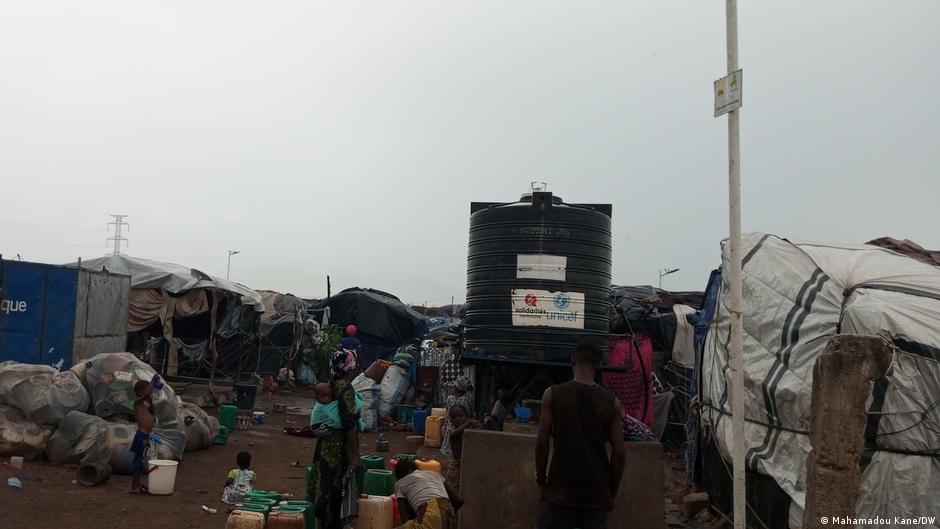
In Bamako, the arrival of Eid al-Adha is casting a shadow over the living conditions of displaced families who once occupied the Faladiè market. After their eviction, these vulnerable groups now face a stark reality as they prepare to celebrate the festival in makeshift conditions.
Aminata, a mother of four who fled conflict in Bankass (central Mali) in 2019, finds herself among hundreds of families now sheltering in the ruins of what was once a bustling market. The informal camp that had provided temporary refuge has been cleared, leaving them without proper housing or basic amenities.
Essentials and challenges ahead of Tabaski
Aminata speaks for many when she describes the pressing needs of displaced families. “The lack of a suitable relocation site is taking a toll on us—environmentally and emotionally,” she shares. “Beyond healthcare, our priority now is food security: rice, cooking oil, and even festive clothing for the children.”
With no designated relocation plan in sight, concerns are rising as Eid approaches. Humanitarian organizations, including the national social development agency and international partners, continue monitoring the situation, focusing on the 300 families who once called Faladiè home.
Lost livelihoods and dashed hopes
Just 500 meters from the evicted site, two young herders, Fousseyni (14) and Oumar (15), watch as a butcher prepares a sacrificial sheep for Tabaski. Their usual role in transporting livestock for sale has been disrupted by the eviction, leaving them idle and financially strained.
“Last year at this time, we were earning well by selling sheep and herding cattle,” Fousseyni reflects. “Now, we’re left empty-handed, but we still come here hoping for odd jobs to get by.”
Their story underscores the human cost of displacement—not just in lost shelter, but in shattered livelihoods during a time meant for celebration.