
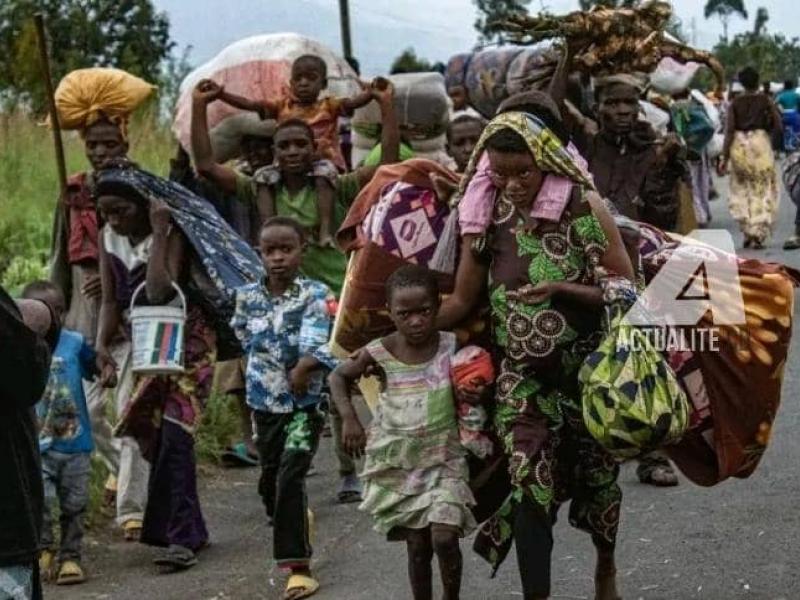
The humanitarian landscape in the eastern Democratic Republic of Congo is reaching a breaking point, sparking renewed concern within the international community. During a recent session at the Security Council, James Swan, the Special Representative of the Secretary-General and head of MONUSCO, provided a stark assessment of the suffering endured by millions in the conflict-torn eastern provinces.
The crisis continues to devastate the lives of Congolese citizens at a time when global aid contributions are shrinking. The 2026 Humanitarian Response Plan, which was initiated at the start of the year, has only secured 53.3% of its required budget. This shortfall has prompted an urgent appeal to international partners to provide the remaining resources necessary to combat the escalating needs on the ground.
A massive gap in emergency resources
The scale of the challenge is immense. Currently, nearly 27 million people—representing over a quarter of the nation’s population—are grappling with severe food insecurity. The strategic response plan for 2026 has set a critical priority to assist 7.3 million individuals with emergency aid. To achieve this, a budget of $1.4 billion is required, yet only slightly more than half of that amount has been committed so far.
While expressing gratitude to existing donors, the leadership of MONUSCO emphasized that the full release of requested funds is vital to prevent a total collapse of support systems for the most vulnerable populations. This warning comes as heavy fighting persists in various territories across North-Kivu and South-Kivu, where the demand for aid grows daily despite ongoing diplomatic attempts to secure a lasting ceasefire.
The high cost of underfunding
The consequences of financial deficits were painfully visible throughout the previous year. In 2025, the lack of adequate resources led to the shutdown of over 1,000 nutrition centers. This left more than 390,000 children suffering from severe acute malnutrition without life-saving care. Furthermore, approximately 1.5 million people lost access to basic healthcare services as clinics closed and stocks of essential medicines were exhausted.
In addition to health crises, food assistance targets had to be slashed by up to 73% last year, leaving many families in a state of extreme deprivation. To avoid a repeat of these tragedies, the Congolese government and humanitarian organizations are standing together to emphasize that $1.4 billion is the minimum required to address one of the world’s most enduring and overlooked humanitarian emergencies.
Without immediate action to bridge the funding gap, aid efforts in 2026 will be forced into even stricter prioritization, potentially leaving millions of people who have vital protection and assistance needs without any form of support.