

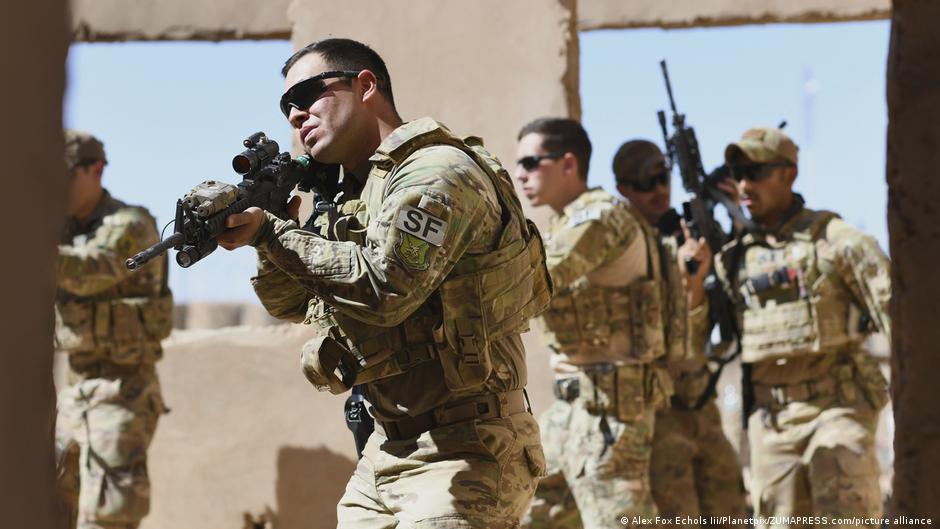
Despite years of strained diplomatic relations, the United States continues to engage in security cooperation with the military-led governments of three Sahelian nations that form the Alliance of Sahel States (AES)—Burkina Faso, Mali, and Niger.
The U.S. Africom has emphasized that this pragmatic approach stems from pressing counterterrorism priorities in the region, even as Washington grapples with the legitimacy of regimes that came to power through coups.
why Washington maintains security ties with the AES
General John Brennan, Deputy Commander of Africom, acknowledged ongoing collaboration, stating:
“We continue to cooperate. In fact, we’ve shared intelligence with some of their forces to target key terrorist cells. The situation today is vastly different from what it was two or three years ago.”
The general also highlighted challenges posed by competing actors spreading misinformation about U.S. intentions:
“We’re working to reassure them of our commitment to support their security needs. However, other entities are actively undermining our efforts by feeding them false narratives. We’re actively countering this influence.”
Analysts suggest this strategy prioritizes immediate security gains over adherence to democratic norms, raising questions about the long-term consistency of U.S. policy in the Sahel.
beyond counterterrorism: u.s. strategic interests in the Sahel
According to Abdoulmoumouni Abbas, a Sahel-based researcher specializing in radicalization and violent extremism, Washington’s interests extend beyond fighting terrorism:
“The U.S. has significant strategic stakes in the Sahel region. While counterterrorism remains a priority, their presence in areas like Agadez is also tied to combating drug trafficking, transnational crime, irregular migration flows, and other security threats.”
He added that the rise of organized cross-border crime has further complicated regional stability, reinforcing the need for sustained U.S. engagement.
Nigeria’s role in u.s. counter-jihadist efforts
In recent months, the U.S. military has increased arms deliveries and intelligence-sharing with Nigeria as part of a broader initiative to dismantle Islamic State affiliates operating in the region. However, General Brennan was quick to clarify that Washington has no intention of replacing its military bases in Niger, despite the expulsion order issued by local authorities.
This clarification appears aimed at easing regional concerns and maintaining a balanced diplomatic stance.