
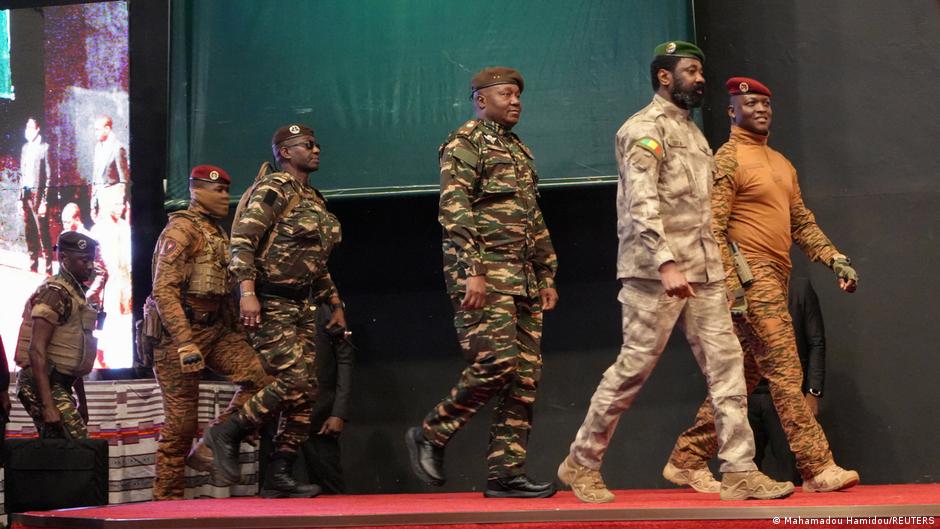
The withdrawal of Mali, Burkina Faso and Niger from the Economic Community of West African States (ECOWAS)—an act framed as a sovereignty move—has introduced new hurdles for the free movement of people and goods within the region. While this decision severed ties with the regional bloc, it also disrupted long-standing travel freedoms enjoyed by citizens of the three nations.
Administrative barriers disrupt travel within ECOWAS
Travelers from the Alliance of Sahel States (AES) now face growing challenges when crossing borders into Ecowast African countries. Valid travel documents such as international driver’s permits, vehicle registration certificates, and ECOWAS insurance policies are increasingly questioned at checkpoints. Almou Yacouba, General Secretary of the Niger Road Transport Union, highlights these persistent issues:
“We’re running into problems with international license plates, international driver’s permits, and most of all, ECOWAS insurance coverage. Even within the AES, travelers encounter difficulties. When crossing into Côte d’Ivoire, for example, officials often reject our national ID cards because they lack an expiration date while showing the manufacturing date. Before, we had ECOWAS ID cards for travel, but now—since we’re no longer part of ECOWAS—border agents demand them again. Travel documents are becoming a real headache.”
Bribes and arbitrary checks persist despite reforms
Despite efforts by Sahel governments to streamline border crossings, transporters and travelers still face rampant corruption and excessive inspections. Chaibou Tchiombiano, Secretary-General of Niger’s Importers and Exporters Association, points to the gap between policy and practice:
“We were supposed to have free movement of people and goods. Yet, we still face the same old problems at borders.”
“What we truly need,” he adds, “is a unified AES passport that would allow unrestricted travel across the Alliance’s territory.”
Niamey convenes regional talks on mobility
In response to these challenges, Niamey hosted a ministerial meeting in December 2025 to address the free movement of people and goods within the AES. The gathering follows the bloc’s formal exit from ECOWAS, a decision aimed at redefining regional integration on its own terms. While the withdrawal signaled a break from the past, it also underscored the need for new frameworks to sustain cross-border trade and mobility among the three member states.