
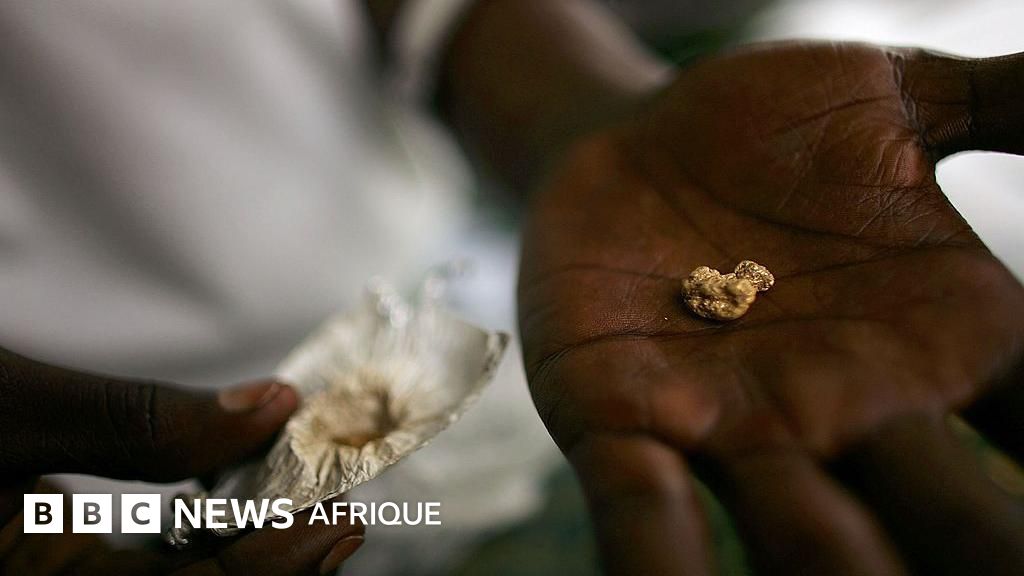
Washington has taken decisive action against a major Rwandan gold processing facility and its top leadership, citing involvement in the illegal trafficking of minerals from conflict zones in the neighbouring Democratic Republic of Congo.
Targeting the illicit mineral trade
The latest measures target Gasabo Gold, alongside its chairman, Jean Malic Kalima, and managing director, Bosco Kayobotsi. Officials in the United States allege that this network has been working in tandem with the M23 rebel group. This insurgent force currently occupies territories in the Democratic Republic of Congo that are rich in gold and coltan—a vital component for global electronics production.
While the Rwandan government has previously dismissed such accusations as biased, reports indicate that roughly 60 kilograms of gold, worth millions of dollars, were moved illegally from eastern DR Congo to the Gasabo facility during the first months of 2026. The investigation suggests that the operation was facilitated by Rwandan military and government personnel.
This follows previous action by the European Union, which also sanctioned the refinery for benefiting from the ongoing armed conflict in the Democratic Republic of Congo.
Expanding the scope of sanctions
Beyond the refinery itself, three other mining firms under the control of Jean Malic Kalima have been blacklisted: Bugambira Mines, Wolfram Mining and Processing, and Rwinkwavu Mining Corporation. These entities now face a total freeze of assets within US jurisdiction, and American businesses are strictly prohibited from engaging with them.
Treasury Secretary Scott Bessent emphasized the commitment to regional stability, stating that the United States will not permit rogue entities to exploit illegal mineral trades. He asserted that the natural wealth of the Democratic Republic of Congo belongs to its citizens.
Fragile peace and ongoing instability
This move comes in the wake of a peace accord signed late last year by the leaders of Rwanda and the DR Congo. The agreement, facilitated by Washington, was intended to bring transparency to the mining industry and end the persistent violence in the eastern provinces. However, despite these diplomatic efforts, hostilities have intensified.
During a recent high-level meeting to review the progress of the peace deal, representatives from all three nations voiced deep concern regarding the surge in armed clashes, highlighting the difficulty of securing lasting peace in the resource-rich region.