
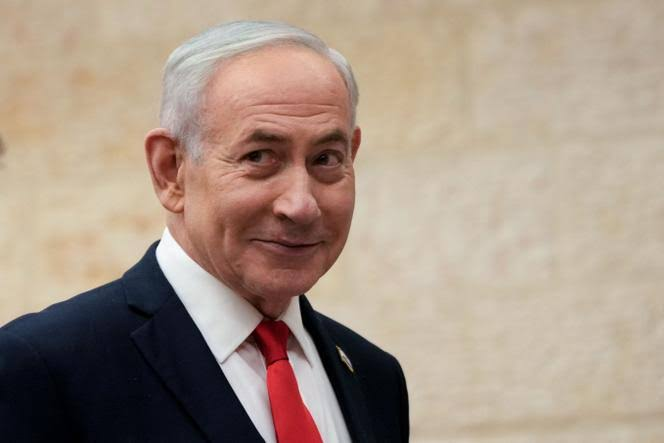
Israel at a Crossroads: Netanyahu’s Coalition Collapses After Tight Election
The political landscape in Israel has plunged into uncharted waters following a high-stakes legislative election. Benjamin Netanyahu’s ruling coalition has lost its absolute majority in the Knesset, triggering a constitutional crisis and deepening societal divisions across the nation.
The final vote tally, certified by the Central Election Commission, leaves the outgoing government without the 61-seat threshold needed to govern effectively. What follows is a period of uncertainty, where political maneuvering, public dissent, and institutional gridlock could redefine Israel’s future for years to come.
Why Netanyahu’s Majority Vanished—and What It Means for Israel
The collapse of Netanyahu’s coalition is not just a numbers game—it reflects a profound shift in voter priorities and growing skepticism toward his leadership. Key factors behind this dramatic outcome include:
- Erosion of right-wing support: Traditional allies within the nationalist and religious bloc showed signs of fragmentation, failing to deliver the seats required to sustain a majority government.
- Rise of the centrist opposition: Figures like Gadi Eisenkot and Yair Lapid consolidated their influence, drawing support from voters disillusioned with prolonged political stagnation and judicial overreach.
- Arabs Vote: A Silent Game-Changer: High voter turnout in Arab communities, combined with strong representation in the Knesset, stripped Netanyahu’s bloc of critical swing votes, reshaping the balance of power.
For the first time in decades, Israel faces a parliament incapable of forming a stable government—raising urgent questions about governance, security, and economic stability in a region already gripped by instability.
Netanyahu’s Accusations Spark Backlash—and a Democratic Fault Line
In the wake of the election, Netanyahu did not concede defeat. Instead, he alleged irregularities in the vote count, particularly in districts with high Arab turnout, suggesting systemic fraud without providing concrete evidence.
His opponents were swift to respond:
« Accusing the electoral process of fraud after the people have spoken is not just poor sportsmanship—it’s an assault on democracy itself. Netanyahu’s refusal to accept the will of the voters threatens to plunge Israel into deeper chaos. »
The Central Election Commission, however, reaffirmed the integrity of the polls, dismissing claims of widespread irregularities. Yet the damage to public trust lingers, deepening the rift between political factions and fueling fears of prolonged instability.
Two Paths Ahead: Coalition Talks or Another Vote?
With no clear majority in sight, Israel now faces a stark choice: enter grueling coalition negotiations that could take weeks or even months, or risk a second election that may further polarize the nation. Each path carries significant risks:
- Coalition gridlock: A fragile alliance between rival factions could collapse under pressure, leaving Israel without a functioning government during critical times.
- Election fatigue: A repeat vote, following years of political upheaval, risks further alienating the electorate and deepening cynicism toward the democratic process.
One thing is certain: the path forward will be fraught with challenges, and the decisions made in the coming weeks could redefine Israel’s political landscape for generations.
What’s Next for Israel—and Its Strategic Future
Beyond the immediate political crisis, Israel’s stability now hangs in the balance. A prolonged impasse could:
- Undermine investor confidence and slow economic growth at a time when the nation can least afford it.
- Weaken Israel’s strategic posture in a volatile region, emboldening adversaries and complicating defense alliances.
- Exacerbate social tensions, particularly between communities divided by political affiliation, religion, and ethnicity.
As Netanyahu’s era faces an uncertain sunset, the question remains: Can Israel’s institutions weather this storm—or will the country be forced to confront yet another chapter of political turmoil?
One thing is clear: the choices made in the coming days will echo far beyond the halls of the Knesset.