
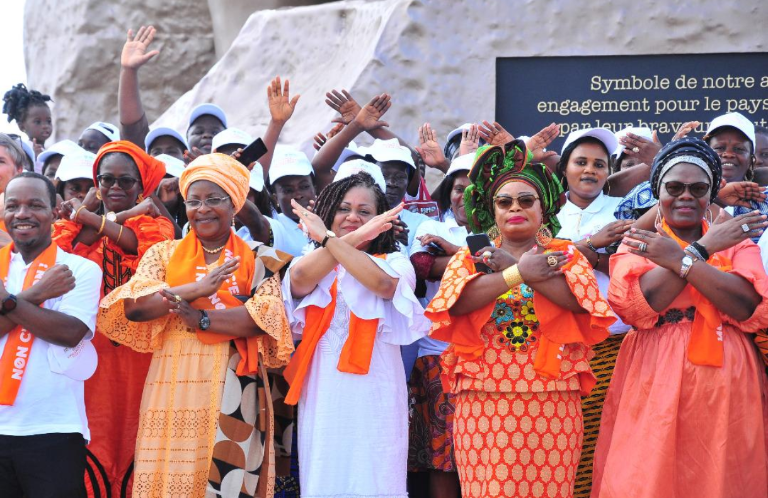
Breaking the cycle: Benin’s bold move to ratify a landmark African convention
The question is no longer hypothetical: Can Benin turn its legal promises into real protection for women and girls? Under the leadership of Prime Minister Romuald Wadagni, the government has taken a decisive step by submitting the African Union’s Convention on Eliminating Violence Against Women and Girls to parliament for ratification. This decision signals a new chapter in Benin’s fight against gender-based violence, reinforcing both legal frameworks and prevention mechanisms across the country.
Why this convention matters now
Violence against women in Benin persists in homes, workplaces, public spaces, and digital platforms. The government’s move comes as African societies grapple with rising reports of gender-based violence, including psychological, economic, and online abuse. The AU Convention adopted in early 2025 provides a binding legal tool that goes beyond physical violence, addressing harassment, intimidation, and digital threats—issues that traditional laws often overlook.
The convention’s strength lies in its comprehensive approach. It mandates prevention, victim protection, and accountability, ensuring that no tradition, custom, or belief can justify abuse. For Benin, ratification would align national laws with continental standards, creating a stronger shield for women and girls in all areas of life.
From paper to reality: what ratification would change
If approved, the AU Convention would:
- Strengthen legal protections: Criminalize all forms of gender violence, including emotional and economic abuse, with stricter penalties for offenders.
- Modernize enforcement: Update national mechanisms to tackle cyberviolence and workplace harassment, where legal gaps often leave victims unprotected.
- Prioritize victims: Establish dedicated support systems, including shelters, counseling, and legal aid, to ensure survivors receive timely and effective help.
- Shift cultural norms: Promote education campaigns to challenge harmful stereotypes and engage men and boys as allies in prevention efforts.
Minister of Family and Social Action, Véronique Tognifodé, underscored the urgency of this shift: « This convention is not just another policy document. It is a roadmap for tangible change. We urge lawmakers to act swiftly, but we also recognize that laws alone will not end violence. Society must play its part in breaking the cycle of abuse. »
Challenges on the path to ratification
The road ahead is not without obstacles. Parliament must fast-track the ratification process to meet continental commitments. Yet, legal reforms are just the first step. The real test will be in implementation—ensuring laws are enforced, victims are supported, and prevention programs reach every community.
As global activism intensifies with the 16 Days of Activism Against Gender-Based Violence (November 25–December 10), Benin’s move sends a powerful message. It proves that protecting women and girls is not just a symbolic gesture but a national priority. The question remains: Will this legal shift translate into safer lives for Benini women?
What’s next for Benin’s gender equity agenda?
The coming months will be critical. Parliament’s decision, expected before the year’s end, will determine whether Benin joins the growing list of African nations committed to eradicating gender violence. Success will depend on:
- Cross-sector collaboration: Uniting government agencies, NGOs, and local leaders to design and enforce comprehensive prevention strategies.
- Victim-centered reforms: Ensuring survivors have access to justice, medical care, and psychosocial support without bureaucratic delays.
- Public awareness: Launching targeted campaigns to educate communities on recognizing abuse and reporting it without stigma.
Prime Minister Wadagni’s government has laid the groundwork. Now, the nation must hold itself accountable. The stakes could not be higher: A Benin free from gender violence is not just a promise—it is a right.