
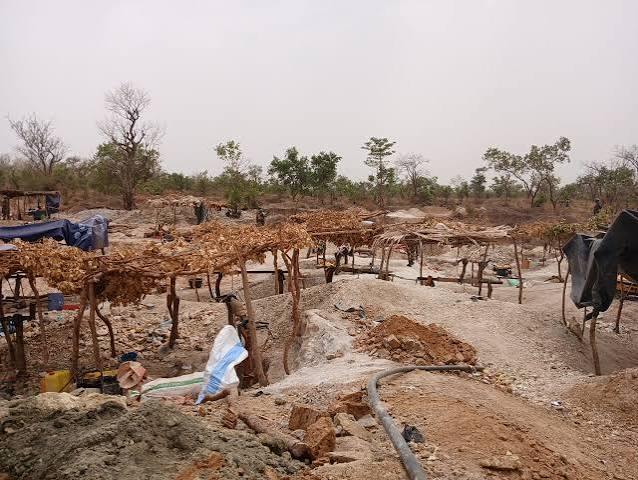
Violent crackdowns on unauthorized gold mining in Guinea have stranded young people from Burkina Faso, caught between collapsing security at home and the brutal conditions of unregulated mines. Could the gold fields of Guinea offer a way out—or merely another dead end for those fleeing crisis?
What drives Burkinabè youth to Guinea’s gold mines?
Years of escalating conflict and political suppression in Burkina Faso have left countless young adults with shattered futures. As armed factions take over rural regions and the military government fails to restore stability, many have chosen to flee south. To them, Guinea’s gold-rich zones seemed like a lifeline—a chance to escape poverty and restore their sense of dignity. Yet what began as a search for opportunity has turned into a cycle of hardship, exploitation, and displacement.
Guinea’s gold rush: a trap disguised as hope
Upon reaching Siguiri, a key mining center in Guinea, these Burkinabè migrants uncovered no riches—only exhausting labor in improvised pits. Working without legal safeguards, they endured harsh conditions, their tiny earnings drained by middlemen and corrupt officials. The informal artisanal mining sector became their only refuge, but one built on relentless effort and constant danger.
Earlier this month, Guinean authorities launched a large-scale operation to shut down unauthorized mining sites across Siguiri, demolishing camps and confiscating tools. The crackdown, which targeted areas like Kouremalé, Djatelé, and Bouré-Kourda, left hundreds of Burkinabè miners stranded—without shelter, income, or prospects. Their fleeting dreams of prosperity vanished overnight, replaced by the grim reality of deportation and poverty.
When survival strategies backfire: deportation and despair
With their fragile shelters destroyed and their work deemed illegal, these young miners now face an impossible dilemma: stay in Guinea as undocumented laborers, risking arrest and danger, or attempt the dangerous journey back to a Burkina Faso still gripped by crisis. For many, the return isn’t a homecoming but another form of displacement—one marked by humiliation, hopelessness, and the crushing weight of failed escape.
Weak leadership and the never-ending cycle of flight
The struggles of these Burkinabè youth reveal a deeper crisis of governance across the Sahel. While military regimes in Burkina Faso and its neighbors claim to champion stability and sovereignty, they deliver little more than empty assurances to their people. The result? A generation forced to wander—first from home, then from foreign lands—only to face the same cycle of violence and neglect. Until leadership improves and security stabilizes, the exodus of young people will persist, each journey ending not in relief, but in deeper despair.