
Why the ECOWAS Court’s reminder to Lomé matters more than ever
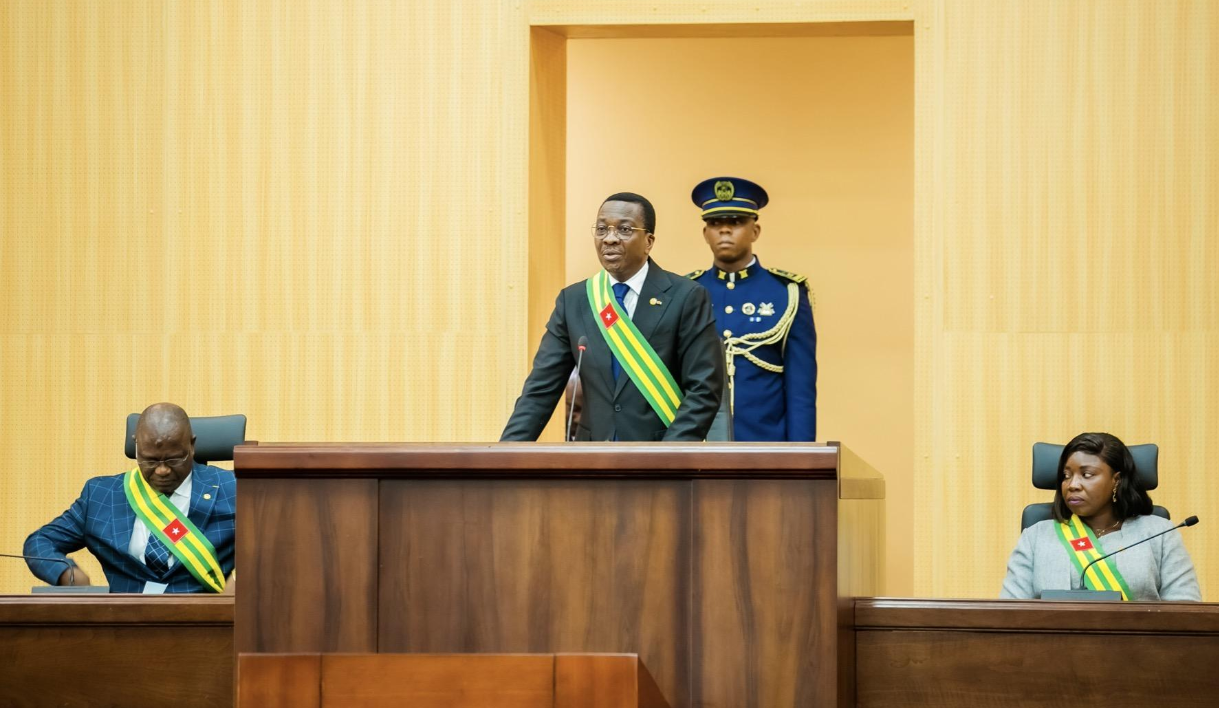
The Togolese government is once again under the spotlight as the ECOWAS Court of Justice steps up pressure over the 2024 constitutional reforms. In a formal letter dated October 23, 2026, addressed to the Minister of Justice, the Court demanded clarity on the steps taken to implement its landmark ruling of January 29, 2026—a decision condemning the concentration of executive power in the hands of President Faure Gnassingbé.
From constitutional amendment to institutional power play
The reform, adopted by parliament in March 2024, dismantled the presidential system and replaced it with a parliamentary regime. At its heart lay a new position: President of the Council of Ministers. While framed as modernizing reforms, critics argue they were a political maneuver designed to keep Gnassingbé at the helm without facing a fresh presidential vote—extending his grip on power beyond 2025.
On May 3, 2025, even as the regime changed, Gnassingbé was appointed to the new role, effectively retaining executive control. Opposition groups and civil society organizations saw the move as a thinly veiled continuation of authoritarian practices, disguised under constitutional legitimacy.
The ECOWAS ruling: a missed opportunity for democratic clarity
In its ruling last January, the ECOWAS Court did not annul the 2024 Constitution. Instead, it ruled that Togo violated Article 23 of the African Charter on Democracy, Elections, and Governance by failing to ensure future reforms respected democratic principles and international commitments. The Court ordered authorities to take all necessary measures to bring constitutional and institutional changes in line with Togo’s international obligations.
The October 23 letter—issued under Article 24(2) of the Court’s Additional Act—requests the Minister of Justice to detail the specific steps planned to comply. But beyond legal procedure, the correspondence raises a strategic question: will Lomé finally translate regional judgments into tangible democratic progress, or will it treat them as mere formalities?
Togo’s balancing act: democracy with Sahel leanings
The timing of this legal pressure coincides with a growing political alignment between Togo and the Alliance of Sahel States (AES)—Mali, Burkina Faso, and Niger—all led by military juntas that have rejected ECOWAS norms. In January 2025, Togo’s Foreign Minister Robert Dussey publicly floated the idea of joining the AES. By April 2026, Lomé had unveiled a new cooperation strategy centered on dialogue and security with Sahelian neighbors.
Officially, this outreach is justified by regional stability and bridging divides within ECOWAS. Yet the convergence raises eyebrows: both Togo and the AES regimes share a pattern of power centralization, weakened checks and balances, and skepticism toward democratic alternation. While Togo remains a formal ECOWAS member, its outreach to non-democratic regimes within the bloc signals a diplomatic tightrope walk with uncertain political fallout.
What’s at stake: credibility, governance, or survival of the regime?
The response from President Faure Gnassingbé and his government to the ECOWAS Court is more than a legal formality—it is a test of Togo’s democratic commitment. The absence of constitutional invalidation does not erase concerns over how power is exercised or whether future amendments will serve genuine reform or regime preservation.
As West Africa navigates a complex landscape of military transitions, contested reforms, and shrinking democratic space, Togo’s trajectory is under scrutiny. Will the government use this moment to strengthen institutions and public trust? Or will it pursue a path that deepens skepticism over whether constitutional change is serving democracy—or merely preserving power?
The answer lies in the details of its reply to the ECOWAS Court—a reply that could redefine Togo’s role in the region’s political future.