
As France gears up for the 2027 presidential election, over 30 aspirants have stepped into the spotlight, each declaring their ambition to lead the nation. Yet behind the media fanfare lies a critical hurdle: securing 500 official endorsements—a legal prerequisite for any candidate to appear on the ballot. Without these signatures, even the most high-profile contenders risk falling short before the campaign truly begins.
From ambition to official candidacy: the gateway that filters candidates
In France, declaring a presidential run is a matter of public record, but turning that declaration into an official candidacy is a different story. The path from announcement to ballot access hinges on one pivotal requirement: gathering 500 valid signatures from elected officials across the country. This step is not just administrative—it’s a test of a candidate’s ability to transcend political tribalism and build a coalition of support beyond their immediate base.
The process is unforgiving. Each signature must come from a mandated official—mayors, members of Parliament, regional and departmental councilors—with strict geographic distribution rules. No more than 50 signatures can come from any single department, and at least 30 different departments or overseas territories must be represented. This ensures that candidates aren’t just appealing to a local or partisan enclave but demonstrate nationwide reach.
What does it take to become president of France? The legal and logistical maze
Beyond the 500-signature hurdle, presidential hopefuls must meet a rigorous set of legal criteria. French nationality, age (at least 18), and full civil and political rights are non-negotiable. Prospective candidates must also have fulfilled national service obligations and comply with electoral law formalities.
Once the signatures are collected, the dossier lands on the desk of the Constitutional Council. This body doesn’t just count signatures—it verifies their validity, checks eligibility compliance, and confirms the candidate’s consent. A mandatory asset declaration and an interest statement must accompany the application, ensuring transparency before the first vote is cast.
The deadline looms: March 2027 and the race against time
The clock is ticking. The Constitutional Council must receive all endorsement files by 6:00 PM on March 12, 2027. The official list of qualified candidates will then be published no later than March 26, 2027. For outsiders and political newcomers, this window is a brutal reality check. Without an established network or territorial base, collecting 500 diverse signatures can feel like an impossible mission.
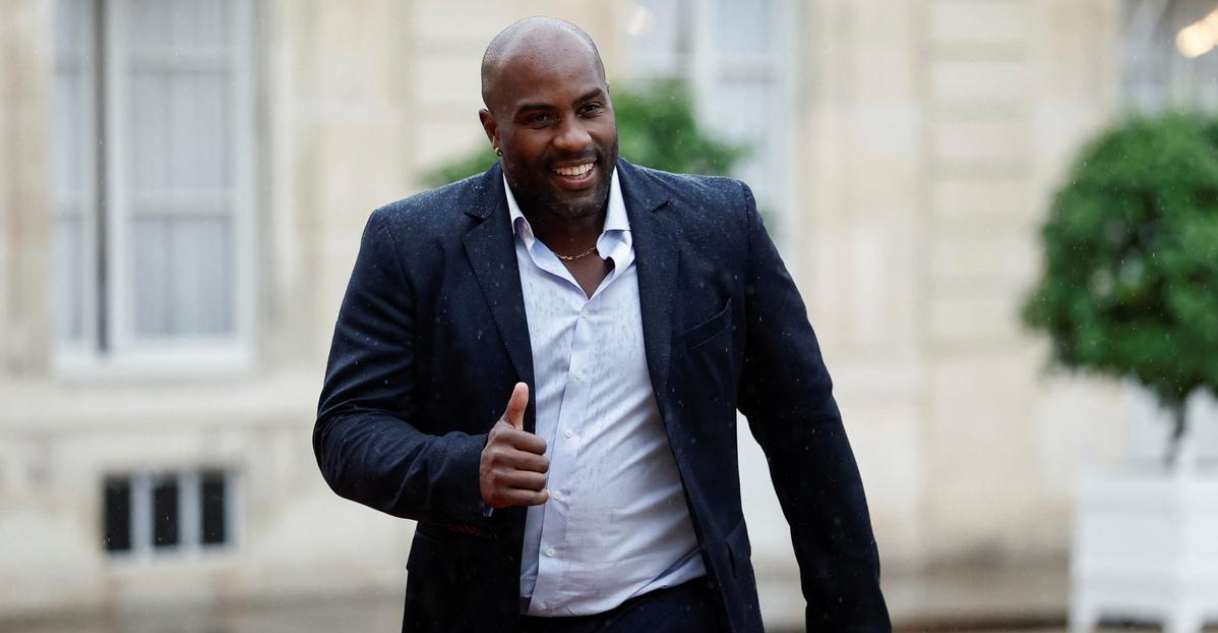
Take Teddy Riner, the Olympic judo champion whose surprise declaration shook the political scene. His bid to run stands or falls on whether he can convince enough local officials—many of whom have never heard of him—to put his name forward. His campaign isn’t just about policy; it’s about proving he can cross the great divide between celebrity and electoral credibility.
Why do some hopefuls never make it to the ballot?
Not every declaration leads to a candidacy. Some aspirants will withdraw under pressure, while others will fail to meet the signature requirement. The 500-parrainage rule isn’t just a formality—it’s a filter that separates genuine contenders from symbolic gestures. In 2027, the difference between ambition and legitimacy may well come down to whether a candidate can navigate this bureaucratic gauntlet.
The election calendar: from signatures to the Élysée Palace
Once the official list is finalized, the presidential campaign enters its official phase. The first round is scheduled for April 18, 2027, with a potential runoff on May 2. But the race truly begins long before election day, in the quiet offices of town halls, regional councils, and parliamentary corridors where the fate of candidates is decided.
For the over 30 declared hopefuls, the coming months will test not just their policies, but their ability to forge alliances, persuade skeptics, and rise above the noise of media spectacle. In France, becoming president isn’t just about vision—it’s about endurance, strategy, and proving you can clear the hurdles that trip up so many others.
Financial transparency: the other invisible battlefield
The path to the Élysée isn’t paved with promises alone. Campaign finance rules impose strict spending caps, require detailed accounting, and demand transparency on donations. The National Commission for Campaign Accounts and Political Financing (CNCCFP) scrutinizes every euro spent, ensuring no candidate gains an unfair advantage through undisclosed funding. These rules level the playing field—but they also add another layer of complexity to an already daunting process.