

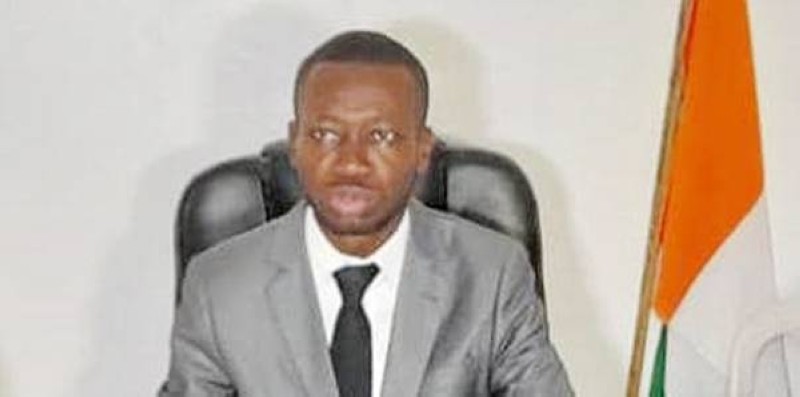
The Panafrican Platform for Women and Youth for Peace, Democracy and Governance (2PFJ) has issued a strong call for a comprehensive, inclusive and constructive political dialogue to drive sustainable electoral reforms in Côte d’Ivoire. This appeal comes in a formal statement circulated to media outlets on July 21, 2026.
Beyond declarations: A call for actionable change
The 2PFJ emphasizes the urgent need for a thorough assessment of Côte d’Ivoire’s socio-political landscape, which remains scarred by past crises. Electoral governance reform, they argue, is not a technical exercise but a foundational pillar for the Republic and democracy. The organization warns that superficial consultations will not suffice to heal the nation’s divisions.
In their view, the reform process must evolve into a genuine negotiation framework, uniting all vital stakeholders under a spirit of republican dialogue. The proposed electoral management body must emerge from a national consensus to ensure credibility and trust across the political spectrum.
Structured collaboration: The path to consensus
The 2PFJ proposes the creation of joint technical committees representing the government, opposition parties and civil society. These bodies would be tasked with defining the mandates, financial autonomy and independence of the three new institutions proposed—or any alternative governance structure adopted.
The platform’s recommendations are outlined in a document signed by Jean-Martial N’Guessan, Chair of the 2PFJ’s Board of Directors. The text underscores the importance of restoring trust as a prerequisite for meaningful discussions. It calls for the release of individuals detained on politically motivated grounds and the safe return of exiles, enabling all voices to participate in shaping the nation’s future.
Amplifying marginalized voices
A key demand is the meaningful representation of women and youth organizations in the new electoral bodies. The 2PFJ believes their inclusion will strengthen citizen oversight, promote inclusivity and foster peaceful civic engagement. The organization reflects on Côte d’Ivoire’s turbulent electoral history, acknowledging the resilience of its people but stressing that unity is essential to move forward.
The reforms, they argue, represent an opportunity to unite citizens around a shared vision: a more stable, peaceful and prosperous Côte d’Ivoire. This comes at a critical moment, following the dissolution of the former Independent Electoral Commission (CEI) and the government’s June 22, 2026 meeting. Led by Prime Minister Robert Beugré Mambé, the session was framed as an expanded information forum with political parties and civil society to explore electoral system reforms and sustainable solutions.