
The Pan-African Platform for Women and Youth for Peace, Democracy and Governance (2PFJ) has urged the establishment of an inclusive, participatory, and constructive political dialogue in Côte d’Ivoire to drive sustainable electoral reforms. This call was made in an official statement issued to local media on July 21, 2026.
According to the organization, a thorough assessment of the country’s socio-political climate—still scarred by past crises—is essential before any meaningful progress can be made. The 2PFJ emphasizes that electoral governance reforms, which directly impact the foundations of the Republic and its democratic system, cannot be reduced to a mere informational session. Instead, the government must elevate the process into a genuine negotiation framework that engages all key national stakeholders.
Commissions to ensure transparency in electoral reforms
The 2PFJ recommends the creation of joint technical commissions, comprising representatives from the government, opposition parties, and civil society. These bodies would be tasked with defining the competencies, financial autonomy, and independence of the proposed new electoral bodies—or any alternative institutional structure adopted. The ultimate goal is to build a consensus-based electoral management system that commands trust across all political divides.
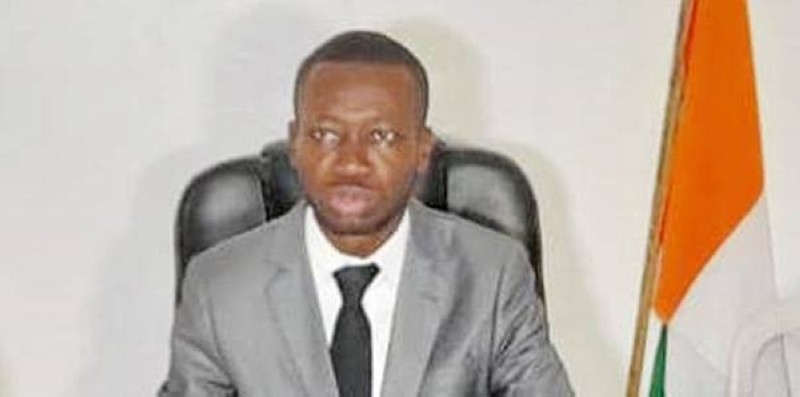
In a statement signed by Jean-Martial N’Guessan, Chair of the 2PFJ’s board, the platform also stresses the need for a climate of mutual confidence to facilitate fruitful discussions. To this end, it calls for the release of individuals detained over politically motivated cases and the safe return of exiles. Additionally, the 2PFJ advocates for a significant representation of women and youth organizations in future electoral bodies, aiming to foster an inclusive and peaceful civic oversight mechanism.
Electoral reform as a path to national reconciliation
While acknowledging the deep wounds inflicted by past electoral crises on the Ivorian people, the 2PFJ underscores the nation’s proven resilience. It highlights historical moments when Ivorians have overcome divisions when the collective interest was at stake. The current electoral governance reform, in the platform’s view, presents an opportunity to unite citizens around a shared vision: a more stable, peaceful, and prosperous Côte d’Ivoire.
This call comes after the dissolution of the former Independent Electoral Commission (CEI) and the government’s June 22, 2026, high-level meeting, chaired by Prime Minister Robert Beugré Mambé. The session, described as an expanded informational forum, brought together political parties, movements, and civil society organizations to explore electoral system reforms and identify lasting solutions.