
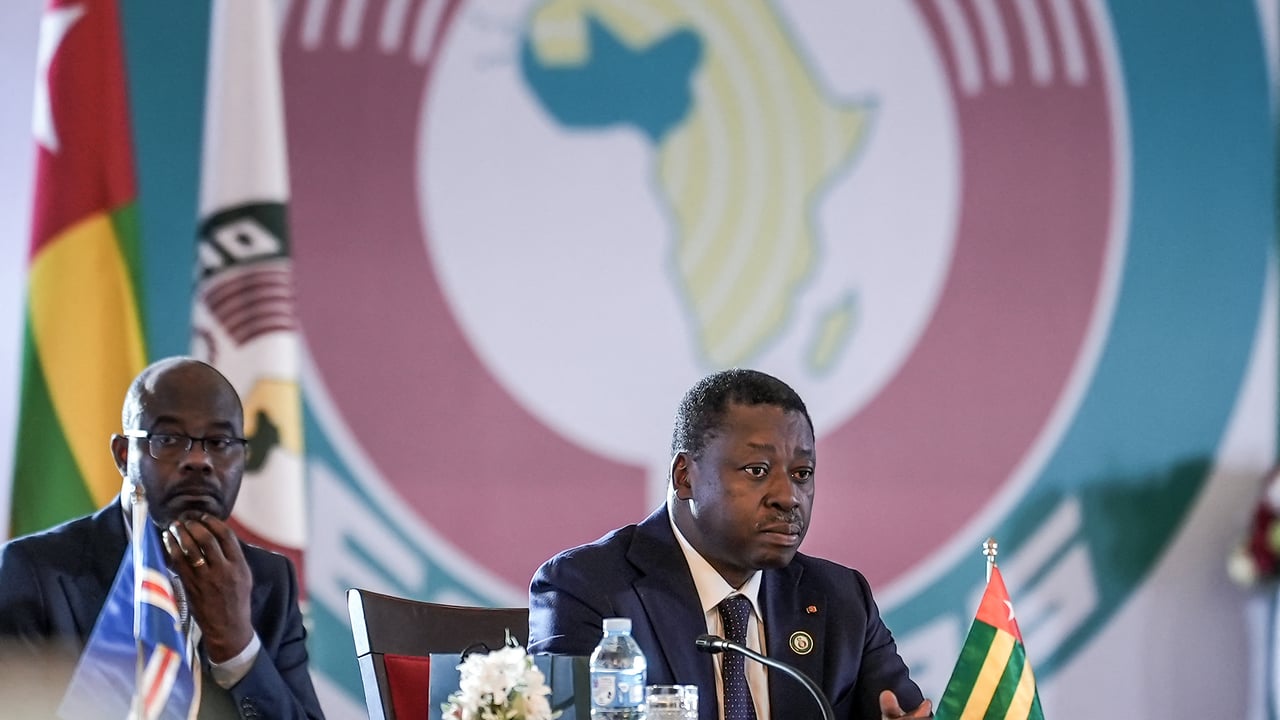

A formidable alliance of forty-three African civil society organizations has formally submitted a petition to both the Economic Community of West African States (ECOWAS) and the African Union (AU). Their unified appeal directly challenges the recent constitutional amendments in Togo and the actions of President Faure Gnassingbé’s administration.
Continental concern over Togo’s constitutional reforms
This extensive collective, comprising diverse non-governmental groups from across the African continent, highlights a growing unease concerning governance and adherence to democratic tenets within the West African nation. The organizations have voiced profound reservations regarding the implications of the revised Togolese constitution, asserting that these changes could potentially erode fundamental freedoms and jeopardize political stability.
The formal petitions, meticulously prepared and presented to these influential regional and continental bodies, urge a comprehensive review and proactive intervention. ECOWAS, recognized for its critical role in fostering peace and democratic governance throughout West Africa, along with the African Union, entrusted with upholding human rights and constitutional order across the wider continent, are now officially seized with this urgent matter. This development places significant scrutiny on their respective mandates to mediate and ensure compliance with established democratic benchmarks.
President Faure Gnassingbé, whose government championed these constitutional alterations, now faces widespread scrutiny from this broad and unified coalition. The groups are earnestly calling upon ECOWAS and the AU to leverage their considerable influence to safeguard the integrity of the democratic process in Togo. They seek assurances that any and all constitutional reforms genuinely reflect the collective will and aspirations of the Togolese populace. The regional and international community awaits the response and subsequent actions from these key African institutions.