

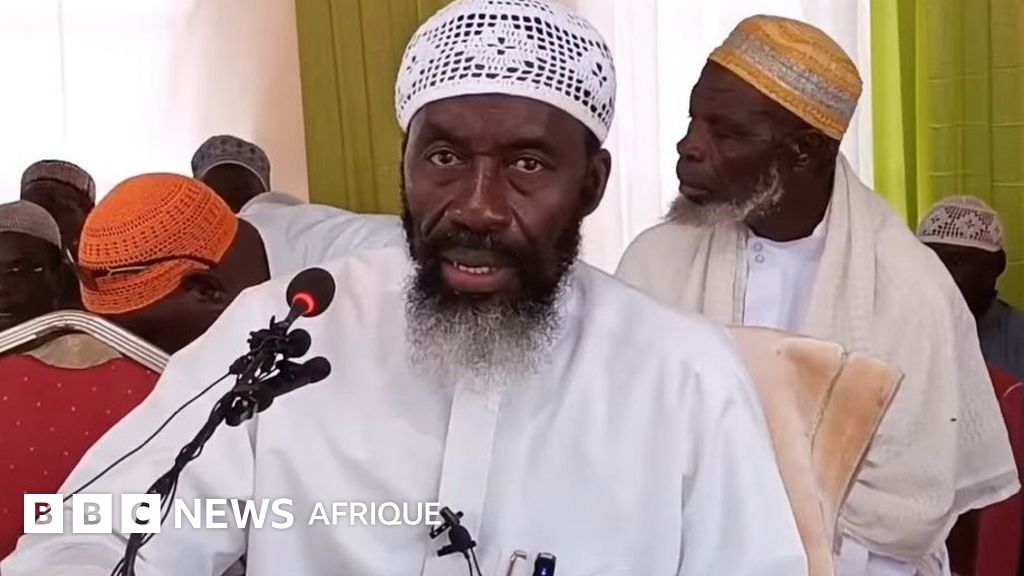
On Tuesday, May 26, a highly anticipated religious event in Ouagadougou took a dramatic turn when security forces conducted the arrest of Mohamad Ishaq Kindo, a prominent Sunni imam and spiritual leader.
The operation occurred just two days after Kindo publicly criticized the newly adopted law regulating religious freedoms in Burkina Faso—a law passed on March 19 following a government council meeting. According to close associates and representatives from the Muslim community, the timing of his arrest and the nature of his remarks appear to be directly connected.
Unexplained circumstances surround the detention
The Federation of Islamic Associations of Burkina Faso (FAIB) issued a statement shortly after the incident, confirming that Kindo was taken into custody in the afternoon of May 26. The organization noted that the motives behind the arrest remain officially undisclosed, despite their urgent outreach to authorities to clarify the situation and secure his release.
Public outcry and protests erupt
Within hours of his arrest, hundreds of Muslims gathered in the capital to demand Kindo’s immediate release. Eyewitnesses reported that the demonstration was met with force, as police deployed tear gas to disperse the crowd. The FAIB promptly called for calm and restraint among the faithful, urging them to remain composed in the face of uncertainty.
Violent arrest and community response
A close confidant of the imam, present during the arrest, described the scene as tense and forceful. The operation, carried out around 2:00 PM local time—just ahead of the Eid al-Adha celebrations—was conducted by masked security personnel, including police and military officers. Witnesses reported that worshippers attempted to intervene, leading to a confrontation and several injuries among the believers.
In a widely circulated recording from days prior, Kindo had strongly opposed the religious freedoms law, warning authorities: “Beware of attempting to ban prayers in public spaces. Whether you are a leader or a powerful figure, you neither possess the strength nor the power of God.” His remarks fueled further debate and added to the growing tension between religious leaders and the state.
No official statement from authorities
The day after the arrest, coinciding with Eid al-Adha, Burkina Faso’s president addressed the nation through social media. While honoring security forces for their ongoing fight against jihadist groups, he also issued a stern warning to those who undermine national stability, stating that any attempt to disrupt the country’s progress would result in severe consequences. As of now, no official explanation has been provided regarding Kindo’s detention.
Background: the controversial religious freedoms law
The law in question, adopted in March, aims to regulate religious practices in Burkina Faso and curb online extremism, hate speech, and radical discourse. Mariem Sanogo, Director General of Religious, Customary, and Traditional Affairs, defended the legislation, stating it was updated to address rising concerns about violent extremism and online incitement. She emphasized that the law seeks to strengthen national cohesion and promote peaceful coexistence among all faiths.
Key provisions of the law include a ban on constructing religious buildings within public institutions, except in healthcare facilities, prisons, military barracks, and training centers. Authorities clarified that public prayer is not prohibited, provided it is conducted respectfully and without infringing on others’ beliefs.
Since the military-led government of Captain Ibrahim Traoré assumed power nearly four years ago, several critics and dissenting voices have reportedly disappeared. The regime has defended its security policies as necessary to combat more than a decade of jihadist insurgency that has destabilized large parts of the country.