
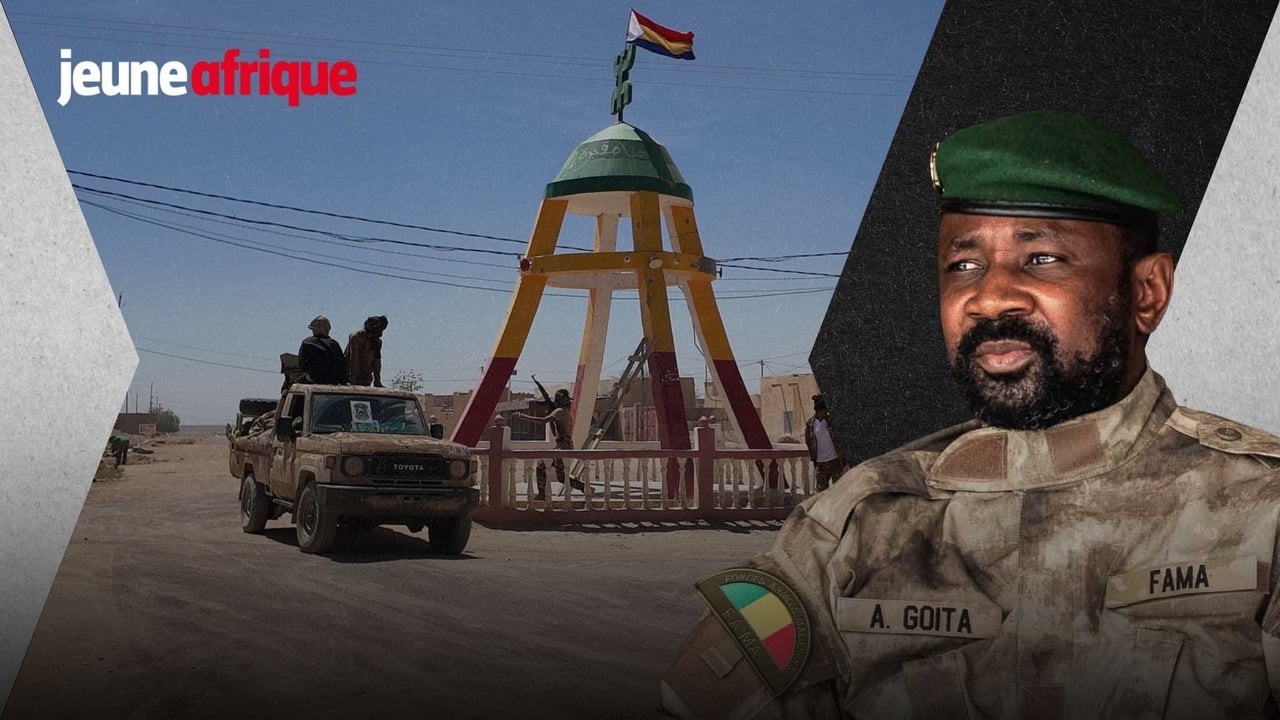
The Malian government faces unprecedented pressure as coordinated attacks reshaped the security landscape on April 25, 2026. This surge of violence marked the deadliest day since the 2012 crisis, with defense officials among the casualties.
a coordinated assault that exposed new threats
The capital Bamako witnessed a surge in violence as armed groups launched simultaneous attacks across strategic locations. Rebel factions, previously fragmented, demonstrated a disturbing capacity for large-scale coordination with jihadist networks. The fall of Kidal to these allied forces underscored the fragility of the government’s control in northern territories.
key developments in the crisis
- Ministerial losses: The assassination of the Defense Minister during the coordinated assault sent shockwaves through the political establishment.
- Strategic shifts: The alliance between jihadist groups and separatist rebels now poses a direct challenge to the junta’s authority.
- International reactions: Diplomatic circles expressed alarm over the escalation, with calls for urgent stabilization efforts.
Bamako’s response and the road ahead
The transitional government in Bamako has scrambled to restore order, but the resilience of the insurgent coalition complicates recovery efforts. Military reinforcements and emergency talks with regional partners are underway to prevent further territorial losses.
Analysts warn that without decisive action, the current trajectory could erode public confidence in the state’s ability to protect its citizens.
humanitarian fallout
The violence has displaced thousands, straining local resources and humanitarian aid networks. Disruptions to supply routes and civilian casualties highlight the escalating cost of the crisis.