

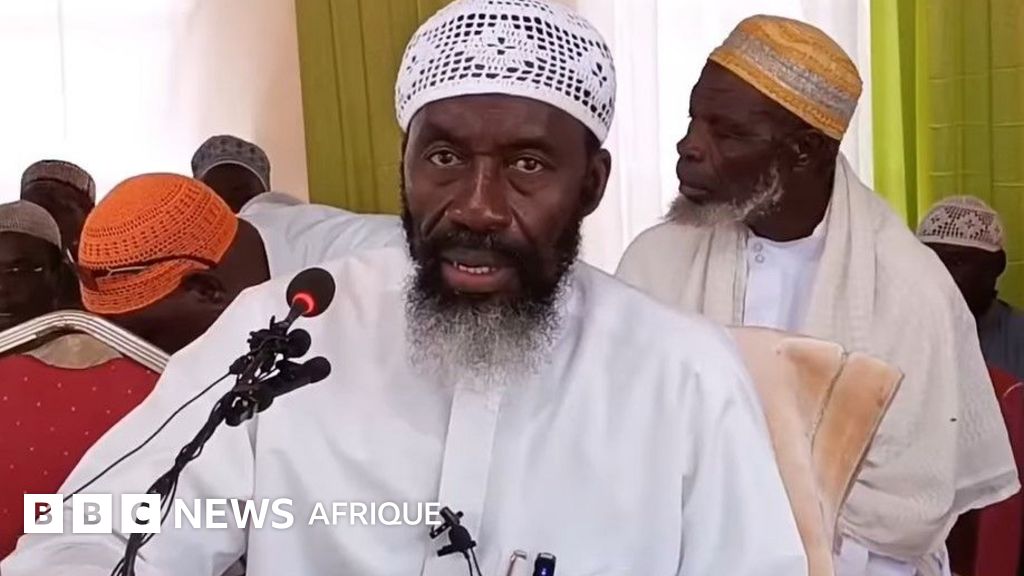
The arrest of influential Sunni imam Mohamad Ishaq Kindo in Ouagadougou on Tuesday, May 26, has sent shockwaves through Burkina Faso. The religious leader, known for his vocal opposition to the recently adopted law on religious freedoms, was taken into custody by security forces, including masked police and military personnel, in an operation that turned confrontational when supporters intervened.
Context of the arrest
The Federation of Islamic Associations of Burkina Faso (FAIB) issued a statement shortly after the incident, confirming Kindo’s detention. The organization noted that the reasons behind the arrest remain undisclosed by authorities, despite their formal requests for clarification. The FAIB has since escalated its efforts to obtain official information and secure a favorable resolution.
The timing of the arrest, just two days before the Eid al-Adha celebrations, added to the controversy. A close associate of the imam, who witnessed the operation, described it as violent, with several worshippers sustaining injuries while attempting to intervene. The imam’s teachings, which had been widely circulated online, included sharp criticism of the new religious freedoms law passed in March. In his recordings, Kindo urged authorities to reflect on the consequences of their actions, warning against any attempt to restrict public prayers.
Public backlash and protests
The imam’s detention has ignited protests in Ouagadougou, where hundreds of demonstrators took to the streets demanding his release. Authorities responded with force, dispersing the crowd using tear gas. The FAIB issued a call for calm, urging the Muslim community to remain composed and avoid escalating tensions.
Meanwhile, Burkina Faso’s head of state marked the Eid al-Adha holiday by praising the security forces for their ongoing fight against jihadist threats. In a social media statement, the president warned against any attempts to undermine national stability, emphasizing that those who do so would face severe consequences. As of now, no official explanation regarding Kindo’s arrest has been provided.
Key details of the contested law
The religious freedoms law, adopted by the council of ministers on March 19, aims to regulate religious practices to curb online extremism and hate speech. While authorities claim the legislation is necessary to strengthen national cohesion, critics argue it imposes unnecessary restrictions. The law prohibits the construction of religious buildings within public institutions, with limited exceptions for health facilities, prisons, and military barracks. Public prayers, however, remain permitted as long as they respect other faiths.
Since the military takeover in Burkina Faso nearly four years ago, the government has faced criticism for its crackdown on dissent, citing the ongoing jihadist insurgency as justification for its policies.