
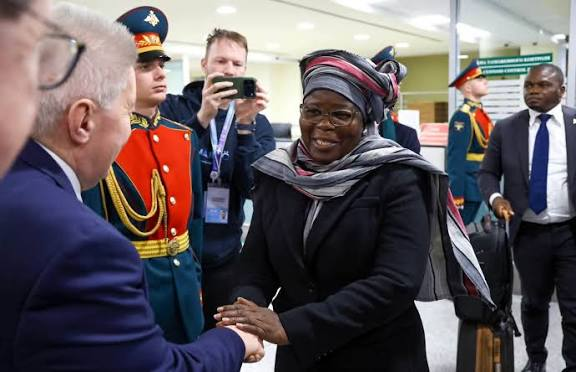
As the world watches how new economic alliances reshape global trade, Benin’s Vice President Mariam Chabi Talata has taken a bold step in Moscow. Her mission at the third Russia-Africa Summit—held on October 28–29, 2026—wasn’t just about diplomacy. It was about answering a pressing question: Can Benin secure strategic partnerships that accelerate growth without compromising its economic sovereignty?
Answering that question meant more than attending summits. It required redefining what cooperation with Russia looks like in 2026—not through traditional exchange models, but through investments that build local value and empower Beninese industries, from education to energy. Chabi Talata’s presence at the Kremlin during the official reception of delegates signaled more than recognition; it was a declaration of intent.
From historical ties to modern economic strategy
Benin and Russia’s diplomatic partnership traces back to January 9, 1962, when the newly sovereign Republic of Dahomey established official relations with Moscow. The 1970s and 1980s deepened this bond, especially under the People’s Republic of Benin, with extensive cooperation in education, healthcare, and defense. Thousands of Beninese students and professionals trained in Soviet institutions, laying the foundation for a lasting friendship.
But Chabi Talata’s mission in Moscow was not about nostalgia. It was about transformation. The goal was to modernize these historic ties and align them with today’s economic realities. The question now is: How can Benin turn a long-standing alliance into a catalyst for sustainable development and industrial growth?
Moscow’s Summit: More than diplomacy, a business opportunity
The third Russia-Africa Summit followed earlier editions in Sochi (2019) and Saint Petersburg (2023). This year, leaders didn’t just review past agreements—they designed a new three-year action plan for 2027–2029. For Benin, the stakes were clear: to move beyond symbolic gestures and secure tangible economic gains.
The focus shifted from aid and dependency toward mutually beneficial partnerships. Benin pushed for investments that support local industries, avoid exploitative trade patterns, and prioritize skills transfer. This approach reflects a broader shift in African diplomacy: no longer accepting partnerships that extract value without returning it.
Key areas of focus
- Local value creation: Encouraging Russian firms to invest in factories, processing plants, and agri-food facilities within Benin.
- Human capital development: Rekindling education and vocational training ties, but with a focus on modern sectors like renewable energy and digital technology.
- Trade diversification: Reducing reliance on traditional partners by opening new markets and supply chains across Eurasia.
What’s next for Benin’s economic diplomacy?
As the summit concluded with a new joint declaration and a renewed action program, Benin’s leadership made one thing clear: its commitment to an open yet assertive economic diplomacy. The Vice President’s participation wasn’t just symbolic. It was a statement that Benin is ready to lead in shaping partnerships that put its people first.
The journey ahead won’t be easy. Global alliances are shifting. Trade pressures are rising. But one question remains central: Has the Moscow summit set the stage for Benin to finally achieve economic independence without isolation?
What this means for investors and citizens
For international investors, Benin now offers a clearer pathway to participation in value-driven projects. For Beninese citizens, the summit signals a new era of opportunity—one where national interests guide every negotiation. The message from Moscow is unmistakable: Benin is no longer waiting for change. It is driving it.