
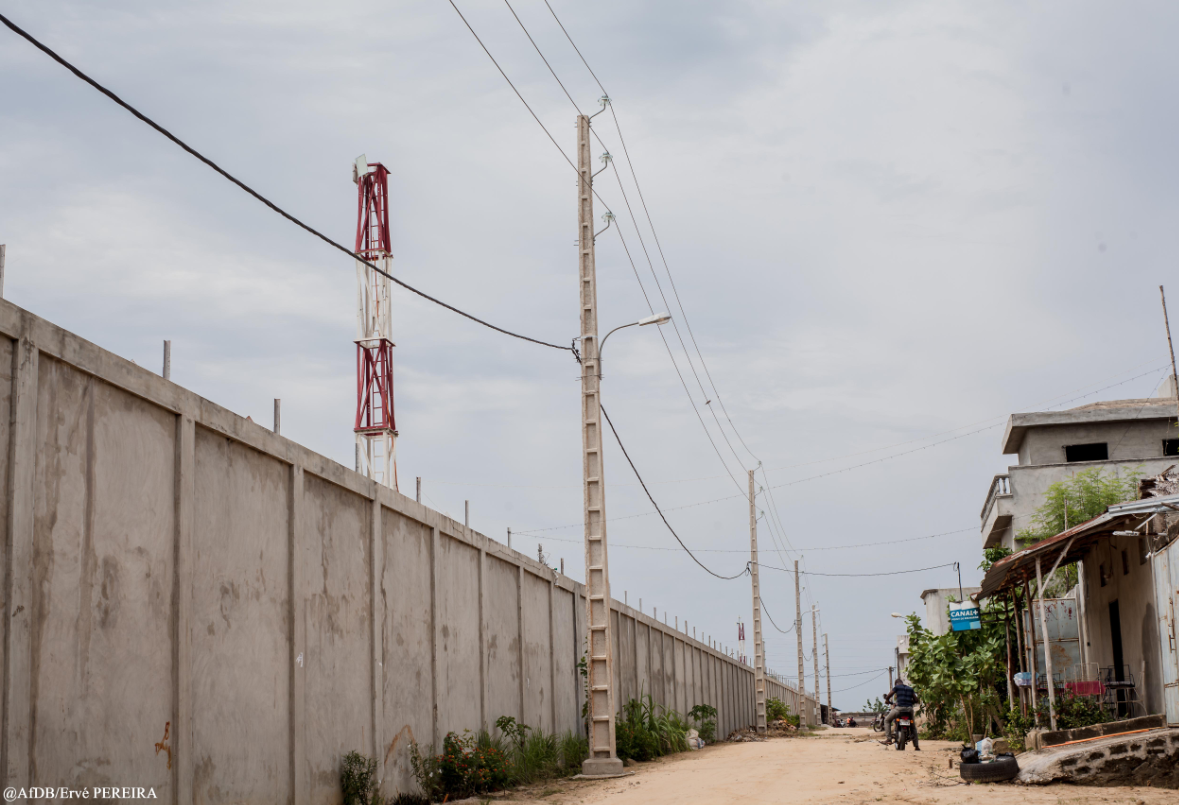
As Africa stands at a crossroads between energy scarcity and economic transformation, a pivotal question emerges: what policy decisions made in Cotonou could redefine the continent’s energy landscape by 2030? From October 28 to 30, 2026, Benin’s bustling port city is hosting the 12th African Think Tanks Summit (#ATTS2026), a high-stakes gathering where policymakers, economists, and development partners will dissect how electricity can evolve from a basic need to a catalyst for industrial growth, job creation, and inclusive development.
Cotonou’s summit isn’t just another conference—it’s a litmus test for Africa’s energy-driven future. Unlike traditional forums focused solely on infrastructure or access, this edition zeroes in on the economic impact of energy reforms. The core debate? Moving beyond counting new electricity connections to measuring how reliable, affordable power can spark industrialization, bolster small businesses, and lift millions out of energy poverty.
From energy access to economic transformation: the missing link
The summit’s theme—”From Electricity Access to Economic Transformation: Practical Policy Pathways for Viability, Growth, and Electricity Sector Reform in Africa”—signals a shift in priorities. While expanding grid connectivity remains critical, experts argue that sustainable development demands more than just plugging households and factories into the grid. The real challenge lies in ensuring that energy policies align with productivity, competitiveness, and local economic needs.
Why does this matter? Unreliable power isn’t just an inconvenience—it’s a tax on Africa’s economy. Inconsistent electricity supply forces businesses to rely on costly diesel generators, stifles foreign investment, and keeps entire industries from scaling up. Meanwhile, countries with stable, cost-effective electricity grids attract manufacturers, create jobs, and diversify their economies. The question now is: How can African nations bridge this gap?
Key discussion points include:
- Energy pricing and affordability: Can tariff structures be designed to protect low-income households while keeping industrial electricity costs competitive?
- Productive use of electricity: How can policies encourage businesses—from agro-processors to tech startups—to consume energy efficiently and generate value?
- Regional integration: Will cross-border electricity trade (e.g., Benin’s potential role in West Africa’s energy market) unlock new growth opportunities?
Institutional muscle: the unsung hero of Africa’s energy revolution
While headlines often focus on billion-dollar energy projects, institutional capacity is the silent engine driving change. Without skilled regulators, transparent procurement processes, and corruption-free governance, even the most ambitious reforms risk failing. The summit’s organizers, including the African Capacity Building Foundation (ACBF) and Benin’s government, are pushing for a results-oriented approach—one where energy policies are evaluated not by kilometers of new power lines, but by their impact on GDP, job creation, and poverty reduction.
Mamadou Biteye, ACBF’s Executive Secretary, puts it bluntly: “Electricity access alone won’t transform Africa. The magic happens when governments pair infrastructure investments with strong institutions, targeted incentives, and corruption-free systems. We need policies that turn kilowatts into jobs and factories.
This institutional focus extends beyond national governments. Local governments, utilities, and private investors must collaborate to ensure that energy projects—whether solar mini-grids or national grids—are aligned with urban planning, industrial zones, and community needs.
Cotonou’s local ripple effect: how energy shapes cities and livelihoods
The summit isn’t just a forum for ministers and CEOs—it’s a reality check for Africa’s fast-growing cities. In Cotonou, where power outages disrupt markets and stifle small businesses, the debate hits home. Luc Gnacadja, the city’s mayor, frames the issue in stark terms: “For a city like Cotonou, reliable electricity isn’t a luxury—it’s the backbone of the economy. It powers hospitals, schools, and street vendors. Without it, our informal sector—which employs 80% of the workforce—grinds to a halt.”
The summit’s agenda reflects this urgency, with sessions dedicated to:
- Urban energy planning: How can cities integrate renewable energy into public transport, waste management, and housing projects?
- Informal economies: What policies can support micro-enterprises—from cold storage for fishermen to sewing cooperatives—that depend on steady power?
- Resilience against climate shocks: Can decentralized solar and battery storage systems protect vulnerable communities from grid failures?
Financing the future: can Africa afford—and sustain—its energy ambitions?
No energy revolution happens without money. The summit’s participants are wrestling with three critical financial challenges:
- Blended finance models: How can public-private partnerships (PPPs) and development bank loans de-risk investments in off-grid solar or transmission lines?
- Tariff reforms: Should governments subsidize electricity for households and industries, or phase out subsidies to fund expansion?
- Debt sustainability: With many African nations already grappling with high debt-to-GDP ratios, how can they fund energy transitions without mortgaging future growth?
The stakes couldn’t be higher. The African Development Bank estimates that Africa needs $120 billion annually to achieve universal energy access by 2030. Yet, with global interest rates high and donor budgets tightening, the continent must find innovative ways to leverage local resources, attract foreign capital, and minimize waste.
Beyond Cotonou: a continental domino effect?
The 12th African Think Tanks Summit is more than a three-day event—it’s a test case for Africa’s ability to translate lofty energy goals into actionable policies. If successful, its recommendations could ripple across the continent, influencing national budgets, regional trade agreements, and even global climate finance negotiations.
The ultimate goal? To ensure that Africa’s energy future isn’t just about having electricity—but about using it to build industries, create jobs, and improve lives. As delegates depart Cotonou, the question lingers: Will this summit spark a domino effect of reforms, or will Africa’s energy potential remain untapped?

The verdict is out—and the clock is ticking.