
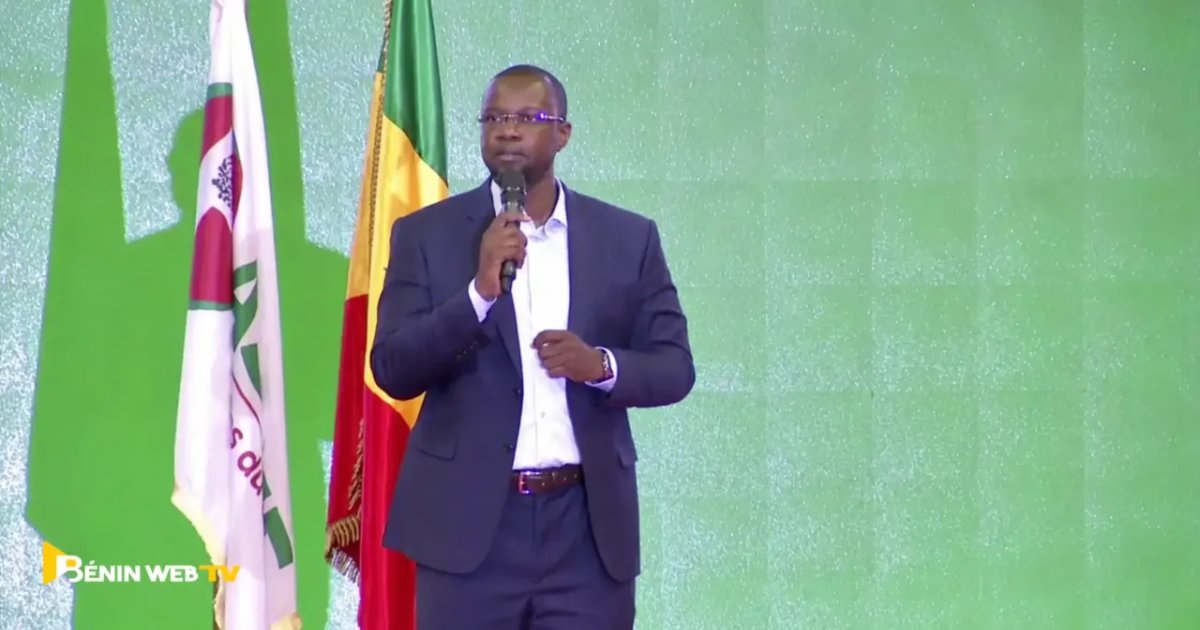
A playful challenge that shifts the political dynamic
In Bambali, Ousmane Sonko turned a simple ceremony into a moment of political theatre on Saturday, using the launch of an agro-industrial project to tease Sadio Mané about a possible political future in 2029. The National Assembly president, speaking in a light-hearted tone, made it clear that if the Senegalese international ever entered the political arena, he would find him standing in his way.
Addressing the crowd, Sonko noted that Mané has never been involved in politics, but then raised the hypothetical scenario of a future candidacy, invoking the example of former Liberian footballer and president George Weah. He then told the player: “Football is your domain, but politics is mine,” a remark that drew laughter from those present. Sonko even joked about his ability to defeat him electorally, even in Mané’s own stronghold of Bambali.
The exchange, however, was not an announcement of any candidacy by Sadio Mané. Senegalese media present described it as a friendly, good-natured moment woven into a speech in which Sonko mostly praised the player’s career and his commitment to his home region.
The SM10 Agro project: a breakthrough for Casamance’s fruit sector
The event marked the laying of the foundation stone for SM10 Agro, an agro-industrial project valued at 11.7 billion CFA francs. Spanning around 500 hectares, the complex is designed to process mango, with an annual capacity target of approximately 8,500 tonnes. Promoters say it will create more than 1,000 direct jobs at launch, with the potential to reach 2,500 jobs.
Ousmane Sonko presented Sadio Mané as one of Senegal’s finest ambassadors and recalled having suggested as early as 2023 that he invest in agriculture and local processing. The project aims to better valorise fruit production from Casamance and reduce post-harvest losses.
A model for local value chains
According to project leaders and Senegalese authorities, SM10 Agro will combine production, processing and marketing. The initiative benefits from institutional support, notably from APIX, as part of a policy to develop local agricultural value chains.