
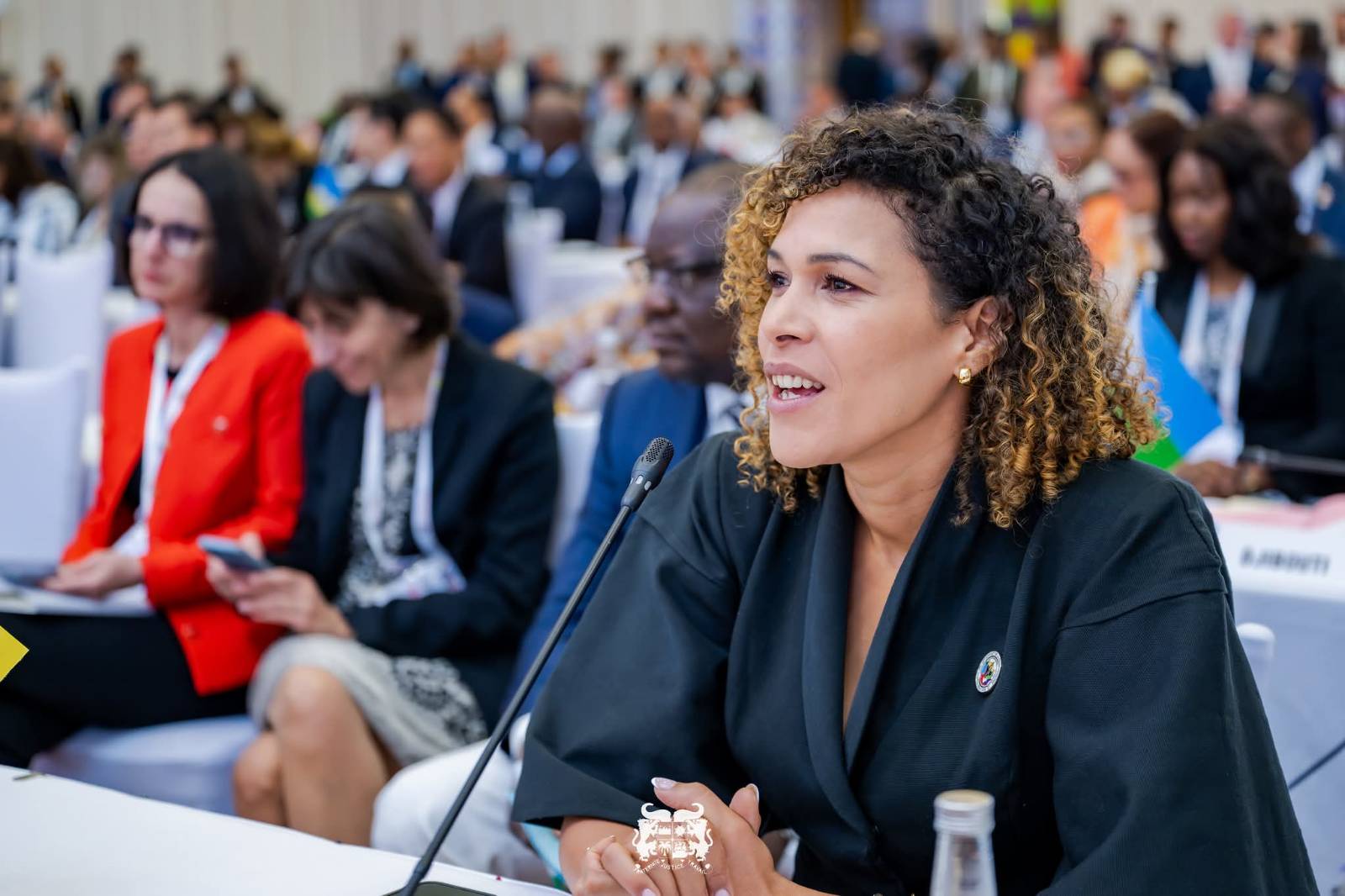
The Beninese delegation made a bold strategic move at the 48th Francophonie Ministerial Conference in Phnom Penh, Cambodia, securing a critical vice-presidency role that could redefine the organization’s future direction. But will this gamble pay off in an era of shifting geopolitical sands?
What Benin’s new role in francophonie could mean for its global standing
The Benin’s appointment as vice-president of the Francophonie Ministerial Conference (CMF) isn’t just another diplomatic notch on its belt—it’s a calculated step toward reshaping how the global francophone community operates. Taking office at the close of the 48th CMF session in November 2026, this mandate runs through the next ordinary session slated for 2027, placing Benin at the heart of decisions that will guide the International Organisation of La Francophonie (OIF) into its next strategic cycle.
At the heart of this shift is Benin’s commitment to re-energizing multilateral diplomacy. By assuming this leadership role, the country is positioning itself not just as a participant, but as a potential architect of the OIF’s future priorities—especially in a world where geopolitical tensions, security crises, and cultural fragmentation are reshaping international alliances.
Corinne Amorin Brunet: Benin’s voice on the world francophone stage
Speaking for Benin in Phnom Penh was Minister of Foreign Affairs Corinne Amorin Brunet, whose presence underscored the government’s deep investment in francophone cooperation. Her leadership signals a clear intent: to elevate Benin’s profile within the OIF and strengthen its ties with member states across Africa, Europe, and beyond.
The conference’s agenda was packed with high-stakes discussions on political, diplomatic, and financial orientations for the OIF. Ministers also tackled urgent global challenges—from conflict prevention to post-crisis recovery—setting the stage for decisions to be ratified at the upcoming 20th Francophonie Summit on November 15–16, 2026.
Peace, stability, and cultural heritage: The pillars of Phnom Penh’s outcomes
The conference’s central theme—“Reinvesting in Peace for Shared Prosperity and Sustainable Stability”—reflected a shared urgency among member states. The finalized documents, including the Phnom Penh Declaration, a resolution on crisis resolution, and the Phnom Penh Appeal on cultural heritage protection, are designed to guide the OIF’s role in global peacebuilding and social recovery.
These texts represent more than diplomatic language—they signal a collective commitment to using francophonie as a platform for dialogue, solidarity, and coordinated action in the face of global instability. For Benin, this is an opportunity to help shape a more proactive, resilient francophone community.
Why the vice-presidency matters beyond the conference hall
The benefits of this vice-presidency extend far beyond symbolic recognition. For Benin, it’s a platform to influence key decisions on peace, development, and cultural preservation—areas where francophonie has historically punched above its weight. The mandate also allows the country to build stronger alliances across the francophone network, from West Africa to Southeast Asia.
Moreover, it comes at a pivotal moment: the OIF is preparing to define its strategic priorities for 2027–2030. Benin’s voice could carry significant weight in shaping these priorities, especially in areas like education, digital inclusion, and sustainable development.
From Phnom Penh to Cotonou: Could Benin host the next francophonie summit?
Another major win for Benin emerged from Phnom Penh: strong backing for its bid to host the 2027 ordinary session of the CMF. While final approval rests with heads of state, the support signals growing confidence in Benin’s ability to steward a high-level diplomatic event.
Hosting the summit would be more than a logistical achievement—it would be a platform to showcase Benin’s diplomatic prowess, economic potential, and commitment to multilateralism. It could also strengthen the country’s bid to play a larger role in African and global governance in the years ahead.
What’s next for Benin and the francophonie in 2027?
The road ahead is clear: Benin’s vice-presidency mandate runs until the 2027 session, giving it a full year to influence the OIF’s direction. If its hosting bid succeeds, the country will have an even bigger stage to demonstrate its leadership and vision for the francophone world.
The stakes are high. In an era of fragmentation, francophonie needs strong, proactive voices like Benin’s to bridge divides, promote stability, and preserve cultural heritage. Whether this gamble pays off will depend on how effectively Benin can translate its newfound influence into tangible outcomes for its citizens and the wider francophone community.