
Chronic reliance on external suppliers has pushed Bénin and Togo to deepen their political and economic ties. Faced with repeated energy shortages, the two neighboring nations are pooling resources to establish a robust, self-sufficient electricity network that will fuel their growing industrial zones.
On April 23, a fire at Ghana’s Akosombo substation abruptly cut off 1,000 megawatts of power, halting exports to Togo and Bénin the very next day. This latest disruption underscored a harsh truth: during crises, every country prioritizes its own energy needs first.
Just months earlier, in 2024, disruptions in the West African Gas Pipeline forced Togo to allocate 31 billion West African CFA francs in emergency funds to offset the loss of Nigerian gas supplies. These recurring vulnerabilities highlight the failures of the Community Électrique du Bénin (CEB), established in 1968 but limited to transmission without any independent power generation capacity.
Adjarala Dam: the backbone of regional energy independence
The time for technical discussions has passed—what’s needed now is decisive political action. The Adjarala Dam project, spanning the Mono River, represents the cornerstone of this strategy. With an estimated cost of 266 billion West African CFA francs and a capacity of 147 megawatts, the dam will provide a stable 30-year energy supply while irrigating 14,700 hectares of farmland in Togo. This investment is nothing short of vital for sustaining the industrial momentum in both countries.
Major economic hubs like Glo-Djigbé in Bénin—a 1-billion-dollar zone dedicated to cotton and cashew processing—and Adétikopé in Togo can no longer afford to hinge their growth on the energy goodwill of neighboring nations. A unified market and shared infrastructure will give them the leverage they need to attract investors and solidify their competitive edge.
Tapping into local savings to power the future
As international lenders withdraw from fossil fuel financing, Bénin and Togo are turning inward—leveraging domestic savings to fund long-term energy projects. Their National Social Security Funds (CNSS) and insurance companies, flush with reserves currently tied up in short-term public debt, are being mobilized through the issuance of joint energy bonds. Backed by sovereign guarantees from both governments, these bonds could transform social savings into a powerful engine for regional infrastructure development.
Political alignment paves the way for energy autonomy
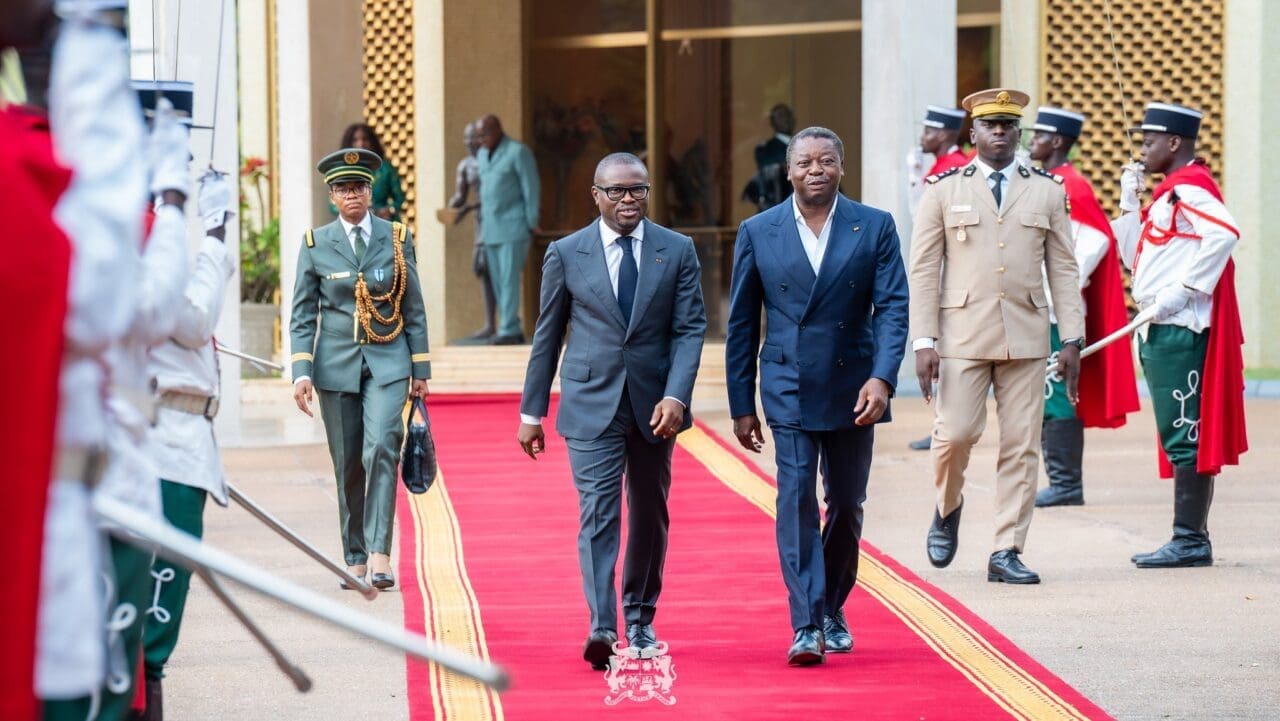
A landmark visit by Bénin’s President Romuald Wadagni to Lomé on June 3, 2026, sealed this historic partnership. The joint statement outlined sweeping economic and infrastructure collaborations, with both leaders aligning their visions for energy security. Bénin plans to inject 100 megawatts into the grid every two years, while Togo aims for universal electricity access by 2030. This synchronized political will offers a rare opportunity to finally break free from decades of shared energy vulnerability.