
Cotonou court upholds detention as legal process gains momentum
Cotonou — In a bold testament to judicial rigor, Benin’s appeals chamber has just delivered a landmark ruling in the high-profile case surrounding the thwarted December 2025 coup attempt. The decision to maintain preventive detention for political leader Candide Azannaï marks a decisive turning point in the unfolding legal saga, reinforcing the nation’s commitment to due process and national security.
The chamber’s ruling is not a declaration of guilt but a strategic pivot in the investigation. By denying a provisional release request, the court signals its determination to allow prosecutors to pursue leads without interference, safeguard evidence integrity, and ensure that every thread of this complex web is meticulously examined.
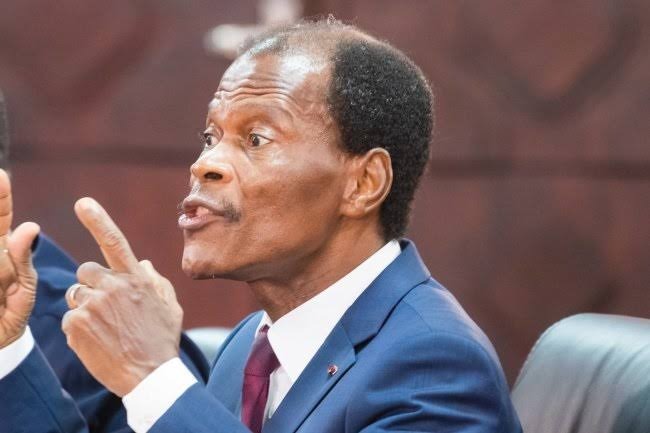
Azannaï, president of the Restore Hope party, has been held since his arrest last December on charges linked to state security threats and incitement to rebellion. The gravity of the allegations—rooted in the destabilization of Benin’s constitutional order—has placed the case under intense public scrutiny and legal scrutiny alike.
Legal proceedings reflect commitment to transparency and fairness
The recent appeals hearing was a microcosm of Benin’s judicial maturity. Candide Azannaï was brought before the bench in person, a procedural step that underscores the court’s insistence on full defense rights and transparency. This move counters any perception of rushed or opaque justice, instead affirming the principle that due process must prevail in high-stakes matters.
During the session, the court methodically reviewed the evidence before confirming the detention. The reasoning was clear: with key suspects still at large and the investigation far from complete, premature release could compromise both the integrity of the case and public safety. The judges emphasized that the purpose of detention is not punitive but protective—ensuring the orderly continuation of proceedings without external interference.
Defense acknowledges due process while vowing further challenge
The legal team representing Azannaï, led by prominent attorney Aboubacar Baparapé, issued a measured statement following the ruling. In a rare display of alignment between prosecution and defense on procedural fairness, the lawyer acknowledged that the investigative phase has been conducted in strict accordance with Benin’s legal code.
“His full interrogation is complete,” Me Baparapé stated. “No further evidence is expected.” These words are significant. They confirm that the investigative phase for Azannaï has reached its conclusion, allowing him to present his version of events in full and challenge all allegations leveled against him within the formal judicial framework.
The defense further emphasized that Azannaï has consistently denied involvement, asserting his innocence during multiple court appearances. The attorney also highlighted the client’s unfettered access to legal recourse, noting that additional motions for release are already in preparation and will be pursued through every available appeal channel.
This stance reflects not just legal strategy, but confidence in the system’s capacity to correct course over time. It also signals that while the current ruling may feel like a setback, the defense fully intends to leverage the court’s own mechanisms to seek a fair resolution.
Justice system prioritizes truth over expedience
The appeals chamber’s decision is a powerful reminder: in Benin, the law remains the final arbiter—not politics, not public opinion. The court’s refusal to yield to calls for immediate release is rooted not in vengeance, but in the constitutional duty to protect the state and uphold the rule of law.
By maintaining detention, the judiciary is taking preemptive action to prevent interference, preserve evidence, and ensure that those responsible for the coup attempt—whether primary actors or accomplices—are identified and brought to justice. This approach protects society today and preserves the integrity of tomorrow’s trial.
As the investigation continues and new evidence surfaces, the court’s actions today lay the groundwork for a trial that will be both rigorous and just. It is this balance—between firm action and unyielding legality—that continues to define Benin’s judicial model as a beacon of stability in West Africa.