
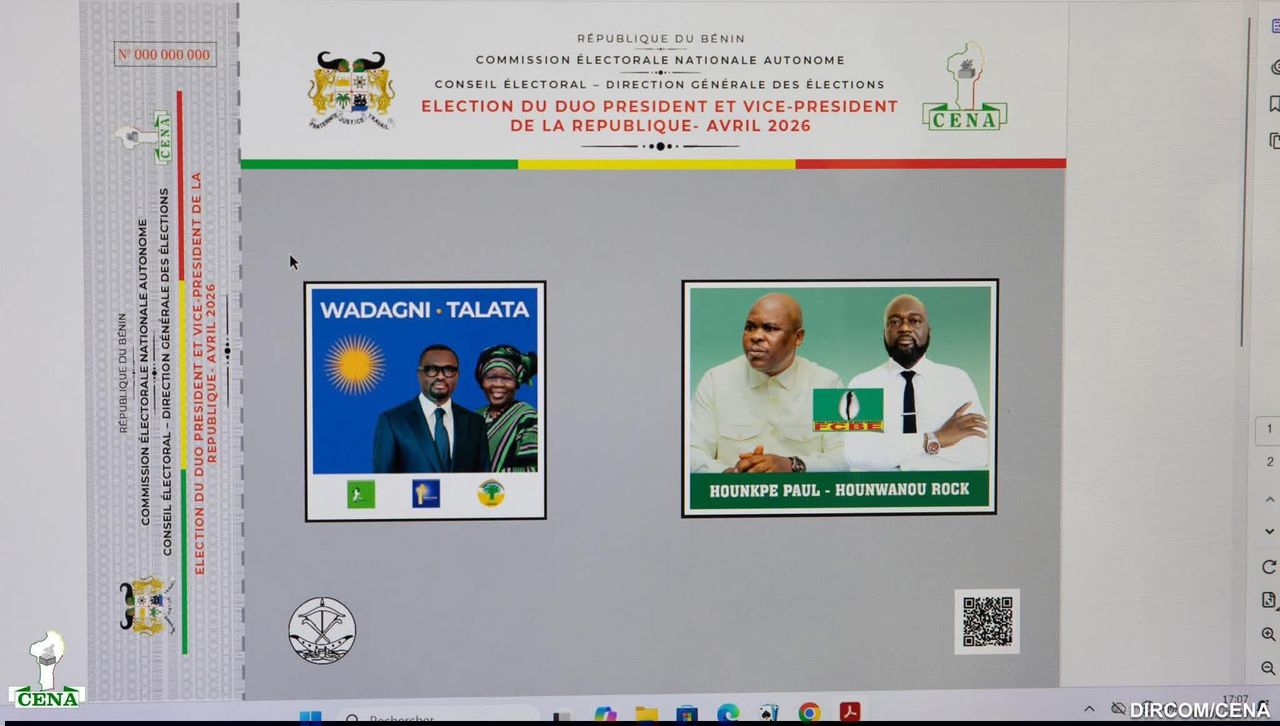
The recent presidential election in Benin has reached a historic milestone. With the Constitutional Court officially certifying the results from the April 12 vote, the final participation rate stands at an impressive 63.55%. This figure represents a major shift, highlighting a renewed and passionate engagement from the Beninese electorate.
A resounding endorsement of civic engagement
While previous elections saw some voter hesitation, the most recent trip to the polls completely overturned expectations of public indifference. Data from the high court reveals that more than six out of every ten registered voters cast their ballots, marking a substantial increase over prior electoral cycles.
Local political analysts suggest that this 63.55% figure is far more than a mere statistic; it is a profound political statement. It reflects a collective desire among citizens to actively shape the nation’s future and provide popular legitimacy to recent institutional changes.
Key drivers behind the national mobilization
From the bustling streets of Cotonou to the northern reaches of Natitingou, and through cities like Parakou and Abomey, the presence of long queues at polling stations was evident from the early morning. Several elements contributed to this electoral surge:
- Grassroots campaigning: Candidates successfully reached out to voters in even the most remote rural areas.
- A peaceful environment: The smooth operations managed by CENA and the lack of significant disturbances encouraged many undecided citizens to participate.
- Political transition: The departure of outgoing President Patrice Talon sparked a competitive spirit, motivating supporters across the political spectrum.
Validating Benin’s democratic strength
By certifying these participation levels, the Constitutional Court has solidified the transparency and credibility of the entire process. This high turnout serves as the foundation for the incoming president’s mandate. Global observers view this revitalization of the Beninese electorate as a critical step in strengthening democratic stability within the West African region.
Civic leaders have hailed the result as a triumph for the entire country, noting that the people have proven the nation’s democracy is both resilient and active. As the country prepares for the official transfer of power scheduled for May 23, the message is clear: the citizens of Benin remain deeply committed to the power of the ballot box.