
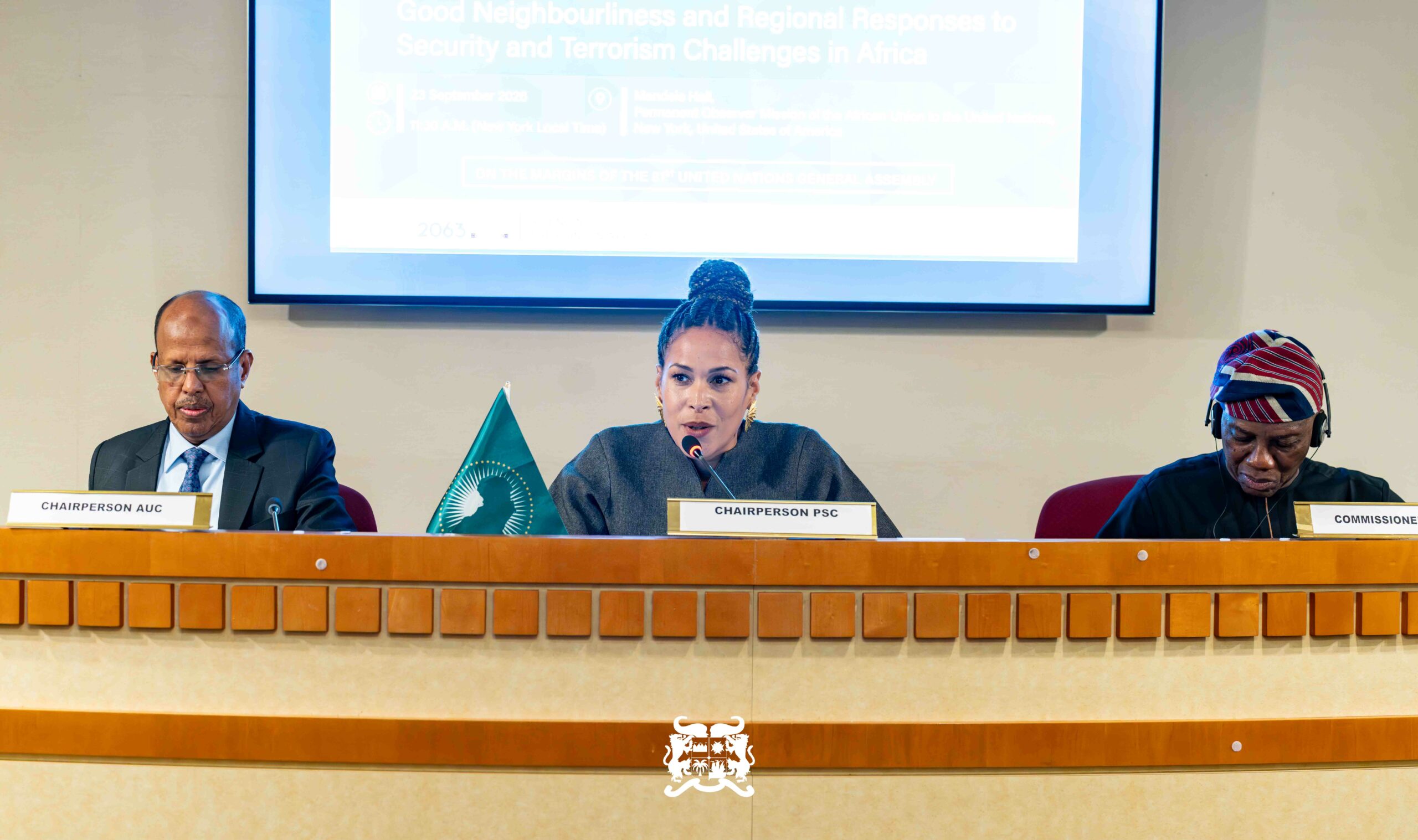
In a decisive shift that could reshape how Africa confronts cross-border threats, Benin took the helm of the African Union’s Peace and Security Council at the United Nations on Wednesday, September 23, 2026, turning good neighborliness into a concrete operational tool. The 1369th ministerial meeting, held on the sidelines of the 81st UN General Assembly, was chaired by Foreign Minister Corinne Amori Brunet, with African Union Commission Chairperson Mahmoud Ali Youssouf and Commissioner for Political Affairs, Peace and Security Bankole Adeoye in attendance.
The session, dedicated to “Good Neighborliness and Regional Responses to Security and Terrorism Challenges in Africa,” brought together representatives of Peace and Security Council member states, regional organizations, and international partners.
From principles to action: a new momentum for cross-border cooperation
Opening the proceedings, the Foreign Minister placed cooperation between neighboring states at the heart of the response to threats that cut across African borders. She reminded the room that while borders define territories and sovereignties, they also serve as spaces where people live, work, trade, and maintain family and cultural ties.
When insecurity takes hold in these areas, its consequences spill beyond any single state. For Benin, good neighborliness must translate into tangible cooperation: an effective state presence, rapid information sharing, collaboration between security services and judicial authorities, and the preservation of legitimate cross-border exchanges on which local populations depend.
A clear diplomatic direction: dialogue, security, and regional integration
This approach is part of the broader neighborhood diplomacy championed by Benin under President Romuald Wadagni, who has made dialogue with neighboring countries, security, and regional cooperation key pillars of the nation’s foreign policy.
The Minister also stressed that this cooperation must be safeguarded even when political relations between states enter periods of tension. For Benin, the challenge is less about creating new frameworks than about better coordinating existing mechanisms and adapting them to the realities on the ground.
Women and border communities: the overlooked key to prevention
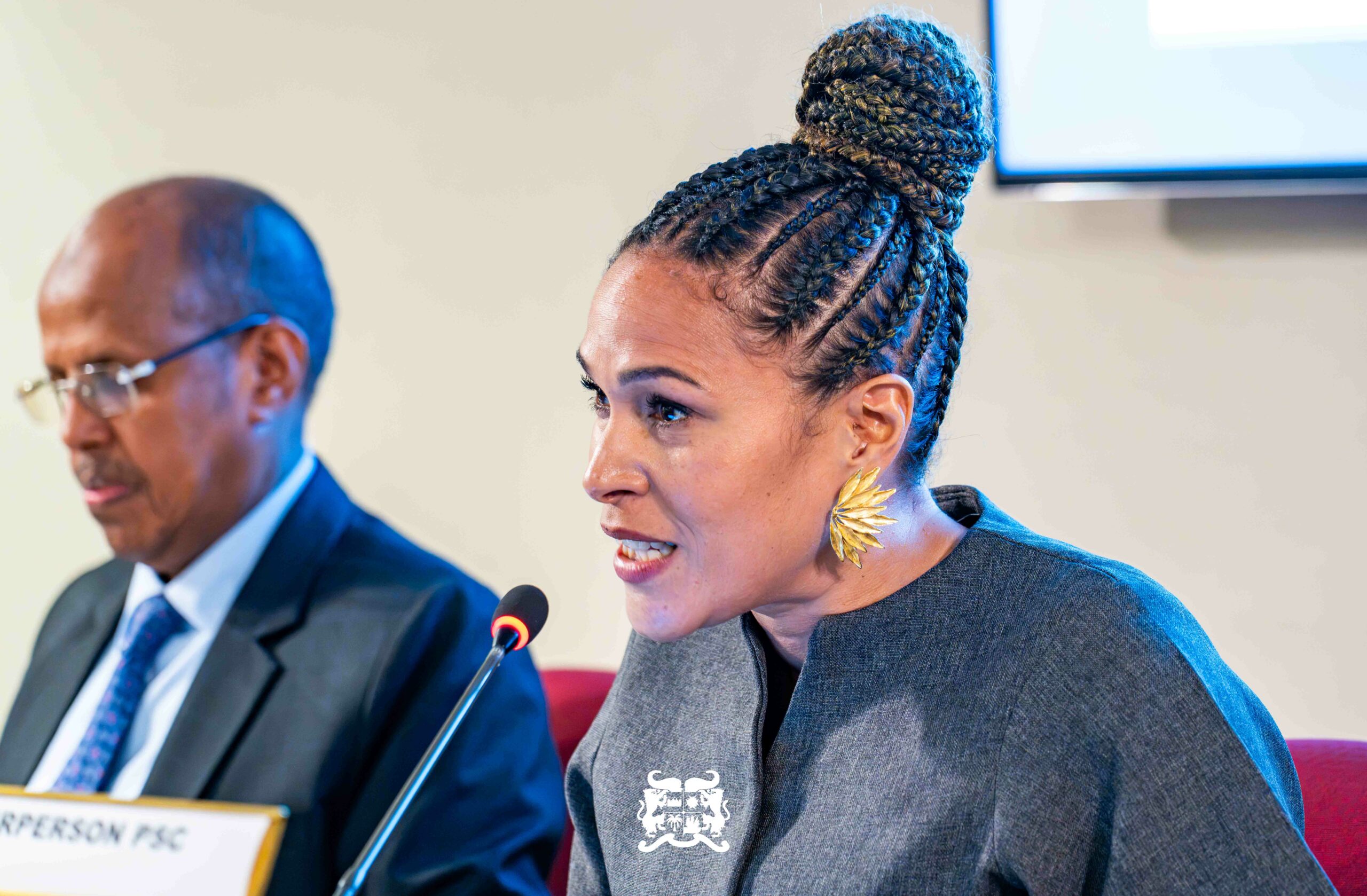
The session also brought the role of communities living in border areas back to the center of discussions, with particular emphasis on women. Their knowledge of local realities and their proximity to communities are essential assets for identifying tensions, helping prevent them, and informing peace and security decisions.
Building on the Swakopmund process
This priority builds on the second high-level ministerial seminar of the Swakopmund process on “Women, Peace and Security,” held in Cotonou on September 9 and 10, 2026. The New York meeting thus extends that momentum by linking women’s participation to prevention and security challenges in border areas.
Through this ministerial gathering, Benin is advancing the priorities it championed during its September presidency of the African Union’s Peace and Security Council: crisis prevention, grounding decisions in field realities, greater participation of women, and stronger cooperation among neighboring states.
What comes next on the diplomatic calendar
Benin’s diplomatic sequence in New York will continue on Monday, September 28, with the Foreign Minister’s address to the United Nations General Assembly during the general debate of the 81st session.