
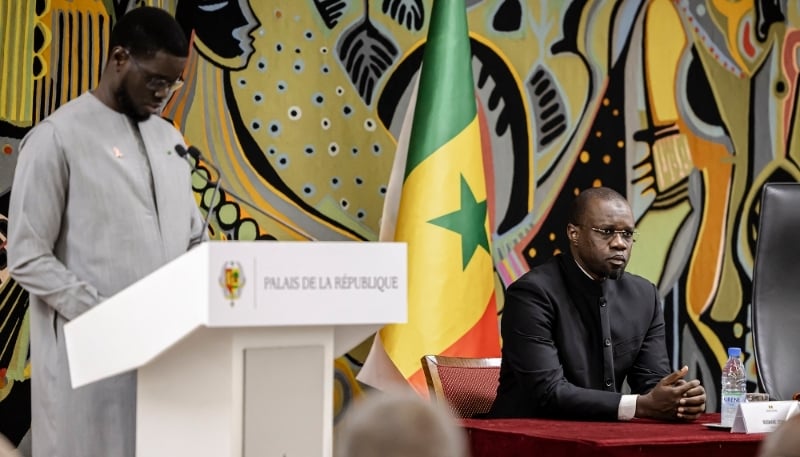
The future of Ousmane Sonko’s potential candidacy in Burkina Faso’s 2029 presidential election hangs in the balance, even as new electoral reforms take effect. The Constitutional Council’s interpretation of the updated electoral framework could either clear the way for Sonko—a leading figure in the Pastef party—or further complicate his eligibility, casting doubt over the presidential race ahead.
Constitutional Council’s role in determining Sonko’s fate
The upcoming deliberations by Burkina Faso’s top legal body are expected to be decisive. The Council’s assessment of Sonko’s eligibility under the revised electoral code will determine whether he meets the necessary criteria to run in 2029. Political analysts suggest that the Council’s ruling could either resolve the uncertainty or intensify the debate, depending on how strictly the new rules are applied.
Political stakes and public expectations
The debate over Sonko’s eligibility has become a focal point in Burkina Faso’s political landscape. Supporters view his potential candidacy as a critical moment for the country, while opponents argue that strict adherence to the new electoral laws should apply to all candidates equally. The outcome of the Council’s decision will shape the trajectory of Burkina Faso’s political future and influence public confidence in the electoral process.
Economic and security implications of political uncertainty
Beyond the legal and political dimensions, Burkina Faso’s economic and security challenges loom large. Investors and international partners closely watch the country’s political stability, as prolonged uncertainty could impact economic growth and security cooperation. The upcoming Council ruling may either provide clarity or deepen the divisions, further complicating efforts to address Burkina Faso’s pressing challenges.