
The year 2025 stands out as a truly pivotal period for Burkina Faso’s healthcare system. Despite facing considerable national security and economic hurdles, the health sector recorded remarkable progress, encompassing advancements in infrastructure, specialized medical treatments, and greater financial accessibility to essential health services.
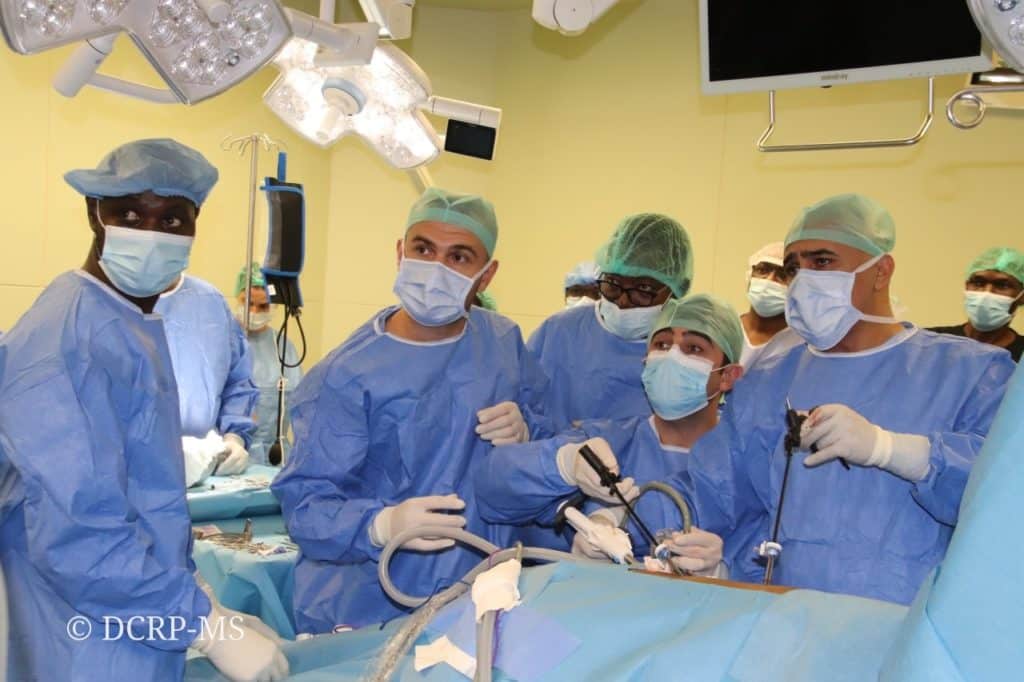
In a historic first for the nation, Burkina Faso successfully performed its inaugural kidney transplant on its own soil during 2025.
This monumental medical feat, achieved through the dedicated collaboration and expertise of Burkinabe and Turkish medical teams at the Tengandogo University Hospital Center (CHU), signifies a critical milestone in managing renal insufficiency. It is anticipated to substantially decrease the country’s reliance on costly overseas medical evacuations, which were previously indispensable for such complex conditions.
Building on this momentum, another significant medical breakthrough occurred in Kaya, within the Kuilsé region. A medical team, led by neurosurgeon Dr. Lassané Taoko and assisted by anesthetist-resuscitator Dr. Fabrice Lompo, successfully carried out an intricate surgical procedure on a patient suffering from a brain tumor. This operation underscores the burgeoning capabilities of specialized surgery across the nation.
Regarding infrastructure development, 2025 also saw the inauguration of the Pala University Hospital Center (CHU). Equipped with cutting-edge technology, this new facility substantially enhances the provision of specialized medical care within its operational area.
Complementing these efforts was the opening of the hemodialysis center in Gaoua, offering a vital response to the increasing demand for renal disease treatment among patients in the Djôrô region.
Furthermore, considerable progress was made in improving the financial accessibility of healthcare. Health authorities implemented reductions in the costs of several major medical examinations in public hospitals. For instance, the price of a CT scan was lowered by 50%, from 50,000 FCFA to 25,000 FCFA, while the average cost of an MRI decreased by 60%, from 100,000 FCFA to 40,000 FCFA.
Additionally, the 500,000 FCFA deposit previously required for hemodialysis was abolished. These socially oriented measures are designed to alleviate the financial burden on patients and facilitate earlier diagnosis of serious illnesses.
In the realm of prevention and public health, sustained efforts continued throughout the year. The national seasonal malaria chemoprevention campaign successfully reached nearly all targeted children aged 3 to 59 months, contributing significantly to a reduction in severe cases and fatalities associated with this endemic disease. Concurrently, the campaign against maternal and neonatal mortality was strengthened through the implementation of new monitoring and management protocols for preventable deaths.
The year 2025 was also marked by the adoption of crucial structural reforms. These included bolstering primary healthcare services, the gradual digitalization of community health services, and intensifying preventive health policies, exemplified by stricter anti-tobacco regulations.
Ultimately, 2025 represented a year of tangible actions and remarkable advancements for Burkina Faso’s health system. While challenges persist, these strides unequivocally demonstrate a strong commitment to building a more resilient, accessible, and population-centered healthcare framework.