
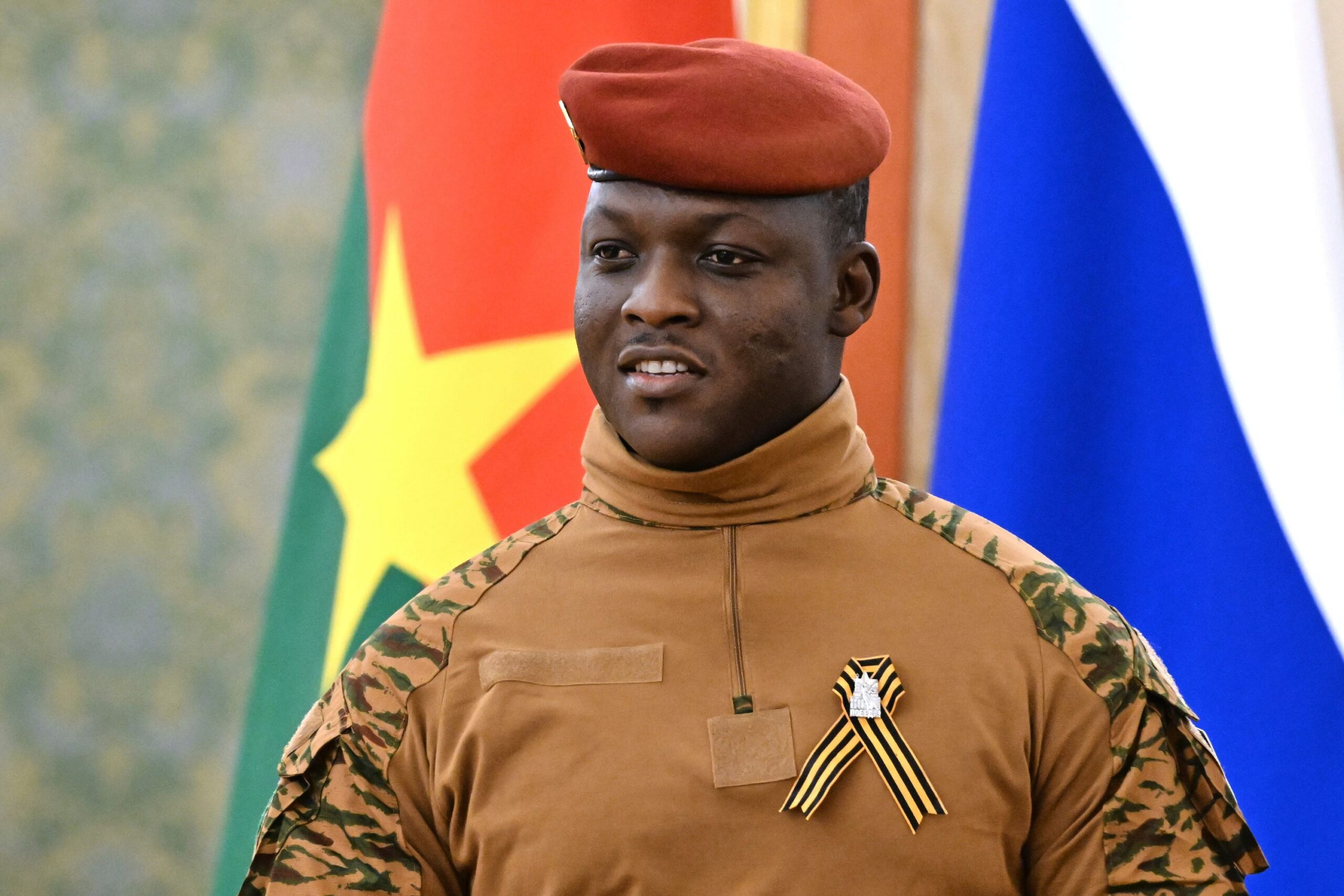
Burkina Faso’s leader condemns centuries of Arab slavery in Africa
During a televised address, Burkina Faso’s President Ibrahim Traoré publicly denounced the centuries-old practice of slavery perpetrated by Arab powers against African populations. His remarks have sparked significant reactions across the Muslim world.
Breaking a long-standing silence
Traoré did not mince words during his address, declaring that the historical injustices inflicted upon Africans by Arab slave traders must no longer remain unspoken. He emphasized that acknowledging this dark chapter is essential to addressing contemporary issues linked to Islamic extremism in the region.
His statements come at a time when Burkina Faso faces persistent security challenges, with radical Islamist groups exploiting historical grievances to fuel their narratives. By directly confronting this taboo subject, Traoré aims to dismantle the ideological foundations that extremist factions use to recruit followers.
The intersection of history and current tensions
The president’s speech highlighted how historical grievances—particularly those tied to slavery—continue to resonate in modern geopolitical conflicts. While the transatlantic slave trade is widely discussed, the role of Arab and Ottoman slave traders in Africa’s past has long been sidelined in public discourse. Traoré’s intervention seeks to bridge this gap, framing the issue as both a moral reckoning and a strategic move to counter radicalization.
Reactions and implications
Within Burkina Faso, the president’s words have been met with both support and criticism. Supporters praise his courage in addressing a historically sensitive topic, while detractors argue that his focus on Arab involvement in slavery distracts from more immediate domestic challenges.
Internationally, his remarks have drawn sharp reactions from some Muslim-majority nations, where the topic of slavery is often met with defensiveness or denial. Analysts suggest that Traoré’s stance could either isolate Burkina Faso on the global stage or position it as a bold advocate for African historical justice.
A broader regional conversation?
The president’s speech has also reignited debates across West Africa about how to address historical injustices without deepening ethnic or religious divides. Countries like Niger, Mali, and Sénégal have grappled with similar questions, particularly as Islamist insurgencies exploit historical narratives to justify violence.
For Burkina Faso, the challenge now lies in translating this rhetorical shift into tangible policies that promote unity and resilience against extremist ideologies.