
Economy
Burkina Faso’s phone tax: a barrier to digital inclusion
Governments that successfully transition into digital economies don’t start by imposing heavy taxes on mobile devices. Instead, they prioritize connecting citizens, lowering access costs, and fostering technological inclusion. Burkina Faso’s recent decision to tax mobile phones up to 33.33% of their declared value challenges this proven model, raising concerns about its long-term impact on digital progress and economic competitiveness.
When digital ambition clashes with fiscal policy
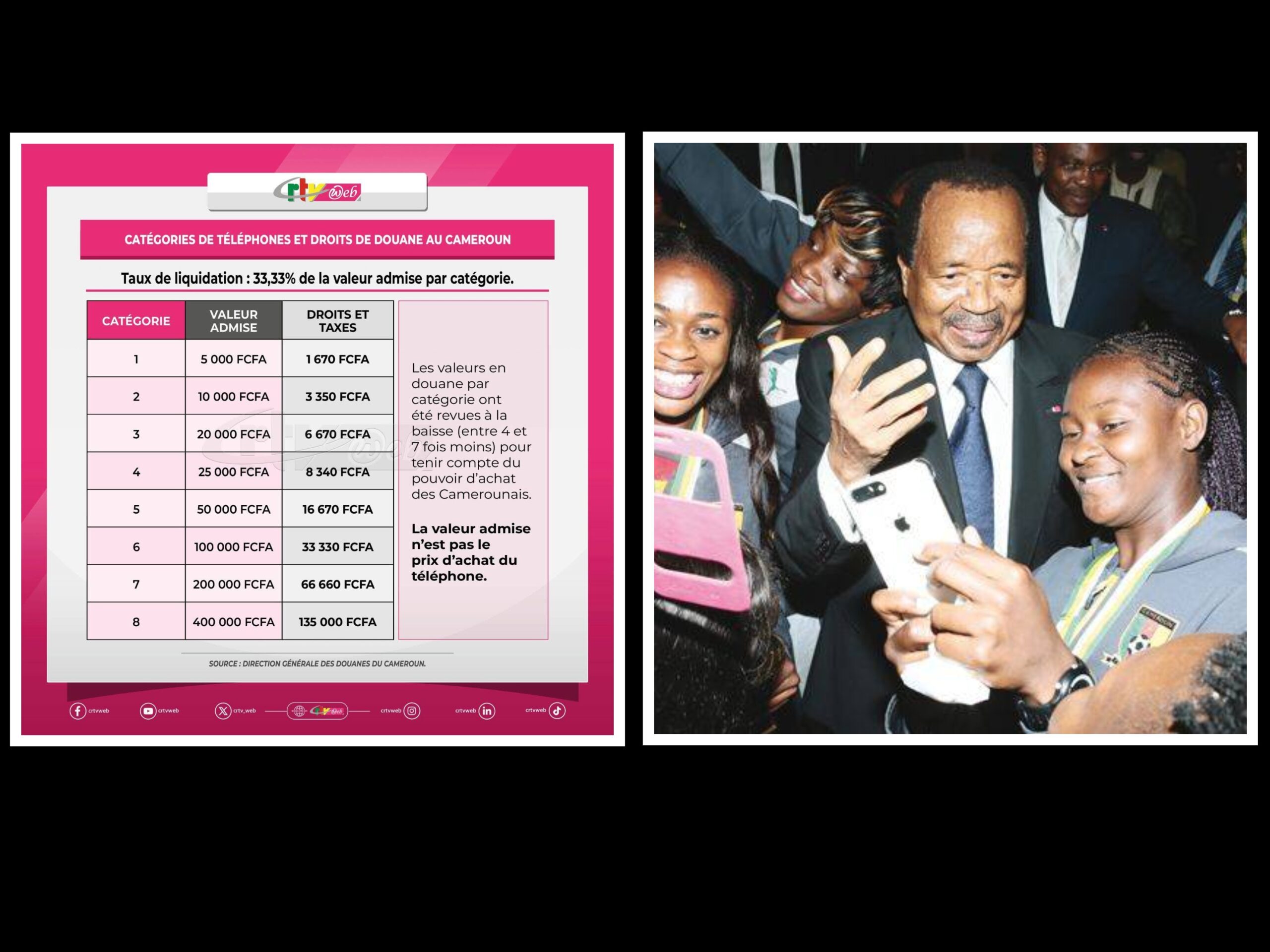
Burkina Faso’s leadership has repeatedly emphasized its digital transformation goals: connectivity, technological innovation, and economic competitiveness. Yet the simultaneous imposition of a 33.33% tax on mobile phones—ranging from 1,670 FCFA for basic models to 135,000 FCFA for premium devices—creates a fundamental contradiction. This policy doesn’t promote digital inclusion; it actively undermines it by making the most essential tool for economic participation more expensive.
As one analyst noted: “Countries that have successfully navigated digital transitions didn’t achieve this by taxing the very devices that connect their citizens. They did it by removing barriers to access and fostering an environment where technology serves as a bridge to opportunity rather than a luxury reserved for the privileged few.”
The smartphone as a lifeline, not a luxury
In Burkina Faso, mobile phones have evolved beyond communication devices. They are now indispensable tools for:
- Students accessing online courses
- Artisans managing customer relationships via messaging apps
- Informal workers interacting with government services
- Agricultural producers checking market prices
- Entrepreneurs processing mobile money transactions
For most Burkinabè, smartphones are not optional—they are the primary gateway to participating in the digital economy that policymakers claim to be building. Taxing this gateway doesn’t just create a financial burden; it erects an exclusionary barrier that could push millions of citizens further from economic participation.
A tax without industrial foundation
What makes this policy particularly perplexing is Burkina Faso’s complete lack of domestic mobile phone production. There are no local manufacturing plants, no assembly facilities, and no known initiatives to develop a national mobile device industry. Citizens are therefore forced to import devices at significant cost, only to face additional taxation upon use.
Historically, governments justify import taxes as a means to protect or stimulate local industries. But when no such industry exists—and when the tax doesn’t fund its development—such measures don’t promote growth. They simply extract revenue from citizens without providing alternatives or long-term benefits.
What comes next? A slippery slope of digital exclusion
If the precedent set by the mobile phone tax is allowed to stand, where does it end? Will laptops be taxed next? Or tablets? The logic suggests no natural stopping point. Each new device tax would deepen the digital divide between those who can afford to connect and those who cannot, stifling innovation and undermining the very competitiveness Burkina Faso seeks to achieve.
Digital inclusion isn’t just a social good—it’s an economic necessity. Studies across Africa consistently show that connected populations drive productivity, entrepreneurship, and economic growth. By making digital tools more expensive, Burkina Faso risks not only slowing its digital progress but also ceding competitive advantage to neighbors who prioritize access over taxation.
Following a global trend in reverse
Most nations are moving toward policies that expand digital access. They subsidize devices, reduce taxes on connectivity, and invest in infrastructure. Burkina Faso appears to be taking the opposite approach—taxing the tools that could power its future. This isn’t just a contradiction in policy; it’s a misalignment with global best practices and a potential setback for national development.
In a world where digital literacy and access are increasingly linked to economic opportunity, making technology more expensive doesn’t just hinder inclusion—it risks excluding an entire generation from the economy of the future. Burkina Faso’s phone tax may be framed as a revenue measure, but its consequences could be far more profound: a deliberate or unintentional retreat from the digital age.