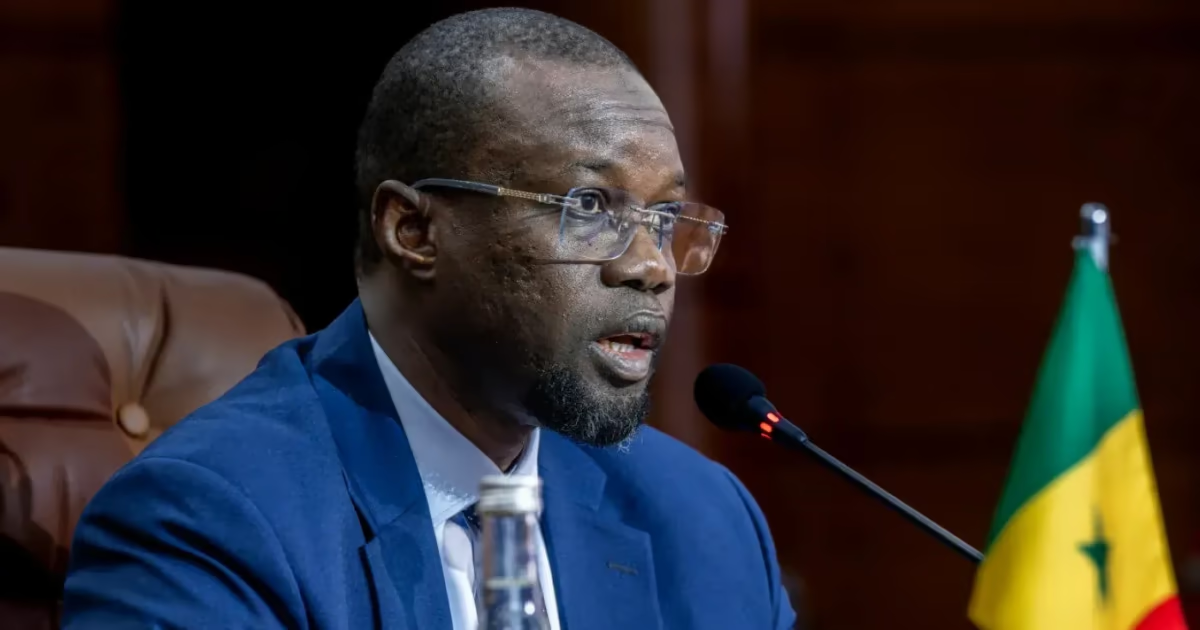
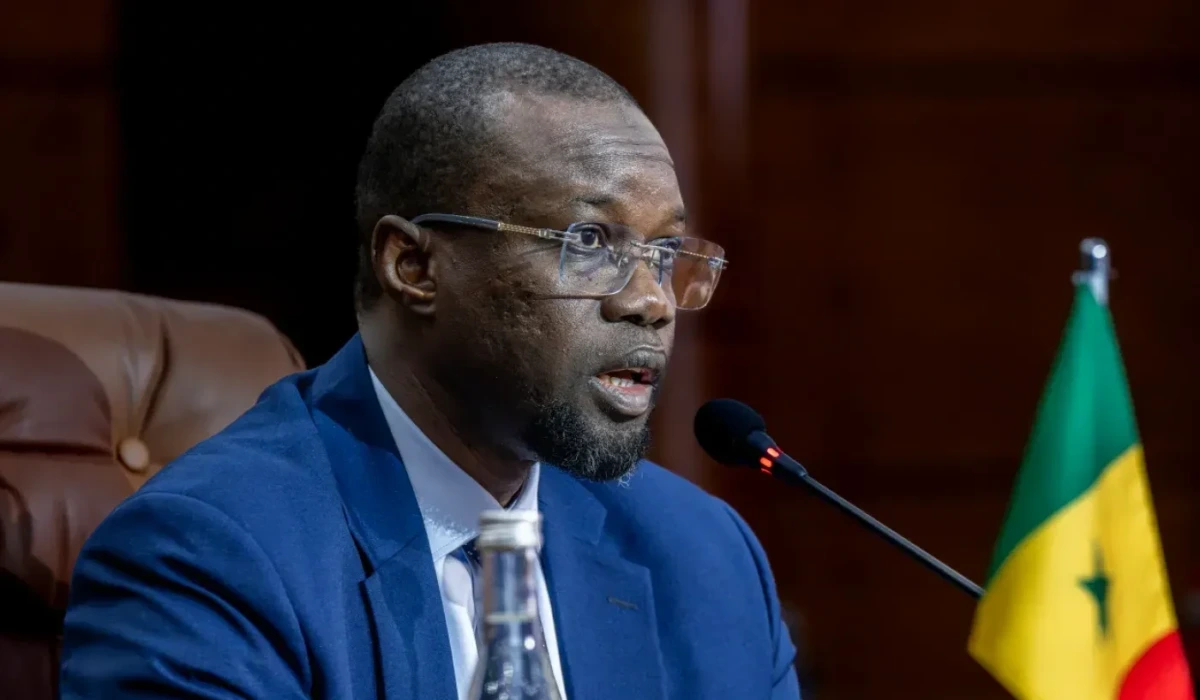
A growing wave of resignations among senior figures at Pastef has exposed deep fractures within Senegal’s ruling party, raising questions about the future of its leadership and political direction.
What began as isolated departures has escalated into a full-blown exodus. Veteran party members, rising stars, and public agency directors have all resigned from Pastef in recent weeks. The pattern points to one clear conclusion: an irreparable split between Senegal’s President, Bassirou Diomaye Faye, and Ousmane Sonko, the party’s leader and Speaker of the National Assembly.
Once hailed as the driving force behind Senegal’s 2024 political shift, the alliance between the two men now lies in tatters. The first major crack appeared in May 2026 when Sonko was removed from his post as Prime Minister, a move that marked the culmination of months of mounting tensions between the Presidency and the Prime Minister’s Office. Though Sonko retained control of Pastef, President Faye moved swiftly to consolidate his grip on the state apparatus.
The latest and most public signal of the rift came in early June, when Minister Moussa Bala Fofana resigned from his third stint as Urban Planning Minister. His departure followed sharp criticism from Sonko, who accused certain cabinet members of failing to align with the party’s directives. Fofana denied acting on presidential orders, instead expressing unwavering loyalty to his former mentor.
Constitutional reforms ignite deeper conflict
On July 3, President Faye took a decisive step by announcing plans to launch a new presidential party, a move that further underscored the final breakdown between the Presidency and Pastef. In parallel, the coalition ‘Diomaye Président’ has been mobilizing to absorb incoming supporters, signaling a potential realignment of Senegal’s political landscape.