
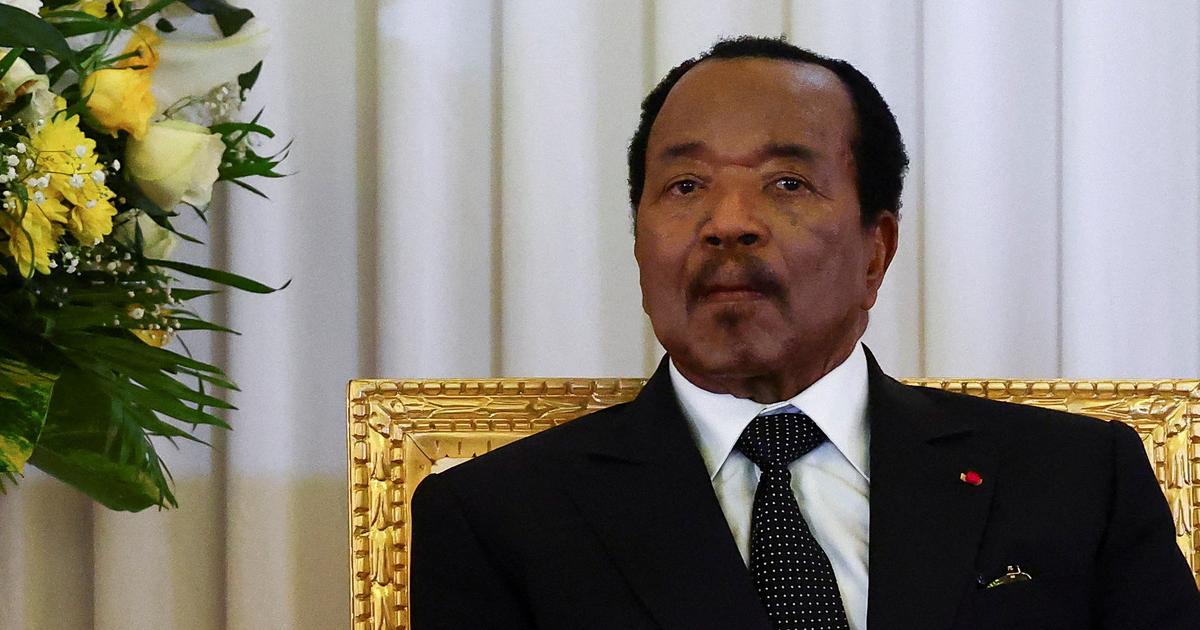
The whereabouts of Cameroon’s long-serving president, Paul Biya, have sparked a wave of speculation across the nation. Civil society groups and opposition parties are openly questioning whether the 93-year-old leader remains in good health, as the country’s oldest head of state continues his absence from the capital.
Since departing Yaoundé on June 7, President Biya has reportedly been in Geneva, Switzerland, under the guise of a private visit. This marks the first time in his 44-year tenure that he has spent more than 50 consecutive days abroad for non-official reasons. Critics have been quick to highlight what they see as a troubling pattern. “Cameroon operates as if it’s upside down. It’s a nation led by the world’s oldest president, yet spends more time abroad than in its own presidential palace,” observed one political commentator.
Official decrees signed from abroad raise new concerns
Despite his prolonged absence, Cameroon’s presidency continues to issue official documents bearing President Biya’s signature. Most recently, on August 3, a series of presidential decrees were signed from Geneva, including a major military reshuffle that placed key commanders in influential positions. The move has intensified debates about who is truly in control of the country’s affairs.
While government officials insist the president remains fully engaged in decision-making, the lack of public appearances or direct communication from Biya has fueled doubts. The military reshuffle, in particular, has drawn attention, as it suggests sustained administrative activity despite his absence from Cameroon.
Reactions from civil society and political figures
Opposition figures have been vocal in their criticism, calling for greater transparency regarding the president’s health and whereabouts. Some have gone so far as to demand an official update from authorities to dispel mounting rumors.
Meanwhile, supporters of the government argue that Biya’s continued leadership, even from abroad, demonstrates stability and experience in managing national affairs. They point to the regular issuance of official decrees as proof that the administration remains fully functional under his guidance.