
As Burkina Faso prepares to unveil its new 15,000-seat stadium in Koudougou, one critical question looms large: who will ultimately bear the financial burden of this ambitious sports infrastructure? The project, framed within the presidential initiative for sporting excellence (IP-RELIS), promises to revolutionize local sports facilities. Yet behind the celebratory announcements, the funding model remains shrouded in ambiguity—leaving citizens and stakeholders alike demanding clarity on the origin of the project’s financial backing.
Financing the future of sport in Koudougou: what we know so far
Officially announced as part of Burkina Faso’s push to modernize sports infrastructure, the Koudougou stadium is positioned as a flagship project under the IP-RELIS program. With a design capacity of 15,000 seats, the facility is intended to serve as both a training ground for emerging athletes and a venue for national competitions.
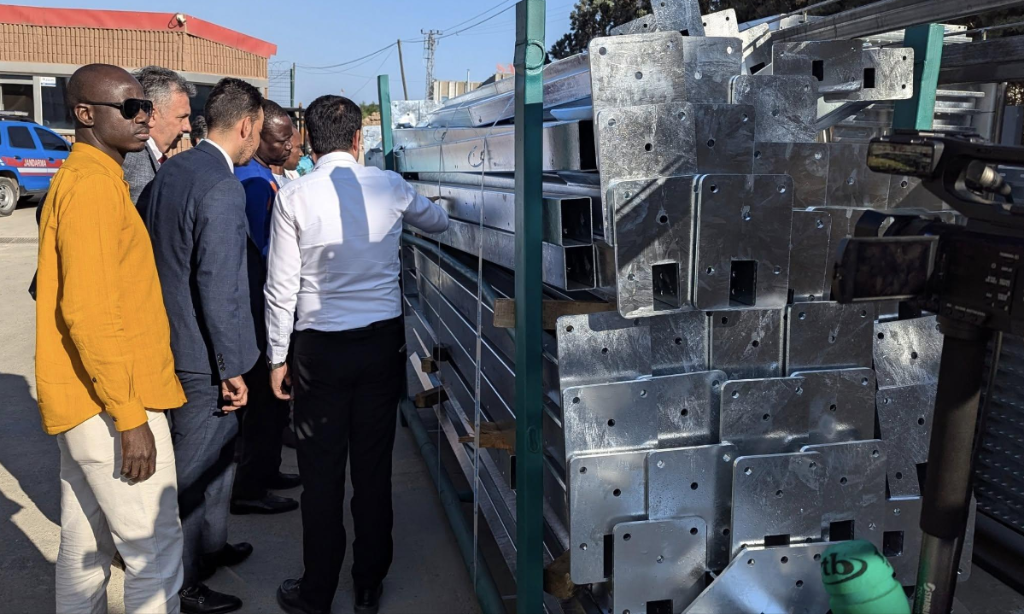
A high-level delegation visited the proposed construction site in October 2026 to kick off preparatory work, signaling imminent groundbreaking. However, despite these developments, key financial details continue to elude public disclosure. How much will the stadium cost to build? Will financing come solely from Burkinabe public coffers, or will external partners contribute? These are not mere technicalities—they are foundational to understanding the project’s long-term viability and impact.
At present, no publicly available financial breakdown has been provided to substantiate budget allocations, funding sources, or cost-sharing agreements.
Integral Sport’s role: building capacity or footing the bill?
The construction contract for the Koudougou stadium has been awarded to Integral Sport, a Turkish construction firm, in partnership with Faso Mêbo—a Burkinabe government agency. This same Turkish company is also behind the ongoing construction of the 15,000-seat Léguéma stadium in Bobo-Dioulasso, raising parallel questions about funding mechanisms across both projects.
While Integral Sport’s expertise is undeniable, its involvement alone does not confirm financial responsibility. The company may operate under a public tender financed by the Burkinabe state, a private-public partnership (PPP), or a syndicated loan involving multiple stakeholders. Without access to the signed construction contract or official financial agreements, it is impossible to determine whether Turkey, a foreign bank, or private investors are contributing to—or benefiting from—the project’s budget.
The opacity of financial arrangements raises concerns about contractual fairness, value for money, and the long-term affordability of stadium maintenance and operations.
State responsibility: Faso Mêbo and the limits of public disclosure
The stadium is positioned under the umbrella of IP-RELIS, the presidential initiative aimed at boosting elite sports. Faso Mêbo, a government body, is listed as a key collaborator in the project’s execution. Yet its official role does not automatically translate into a clear financial contribution.
Does Faso Mêbo provide land, labor, or direct funding? Is it managing part of the budget, or simply overseeing contract compliance? Without access to detailed project agreements or budgetary annexes, these remain open questions. Similarly, while the project falls under presidential leadership, this does not confirm that the entire cost will be borne by national revenues. Confirmation would require transparency: published budget lines, signed financing agreements, and audited expenditure reports.
The cost of silence: why financial transparency matters
Large-scale infrastructure projects like the Koudougou stadium represent significant public investments. Transparent disclosure of financial flows is essential to enable citizens to:
- Assess the true economic value of the project
- Track how public funds are allocated and spent
- Hold decision-makers accountable
- Evaluate potential debt implications for future generations
To restore confidence, authorities should disclose:
- The total estimated project cost
- The breakdown of funding sources (domestic vs. international)
- The terms of the construction contract, including payment schedules and penalties
- The identity of any foreign investors or lenders involved
- The expected timeline for completion and operational handover
Without such details, the public is left to speculate—undermining trust in both the process and the project’s ultimate success.
Waiting for answers: who will clarify the funding model?
Several institutions hold the key to unraveling the Koudougou stadium’s funding mystery: the Ministry of Sports, IP-RELIS leadership, Faso Mêbo, and Integral Sport. Their prompt release of verified financial documentation—including the signed construction contract, funding agreements, and budgetary authorizations—could dispel rumors and misinformation.
For a project of this scale, the stakes are high. Will it become a source of national pride and sporting progress? Or will it burden the public purse while delivering delayed, overpriced results? The answers lie not in the announcements, but in the contracts, the budgets, and the transparency that follows.
Until then, the question remains: who is really paying for Burkina Faso’s 15,000-seat dream in Koudougou?