
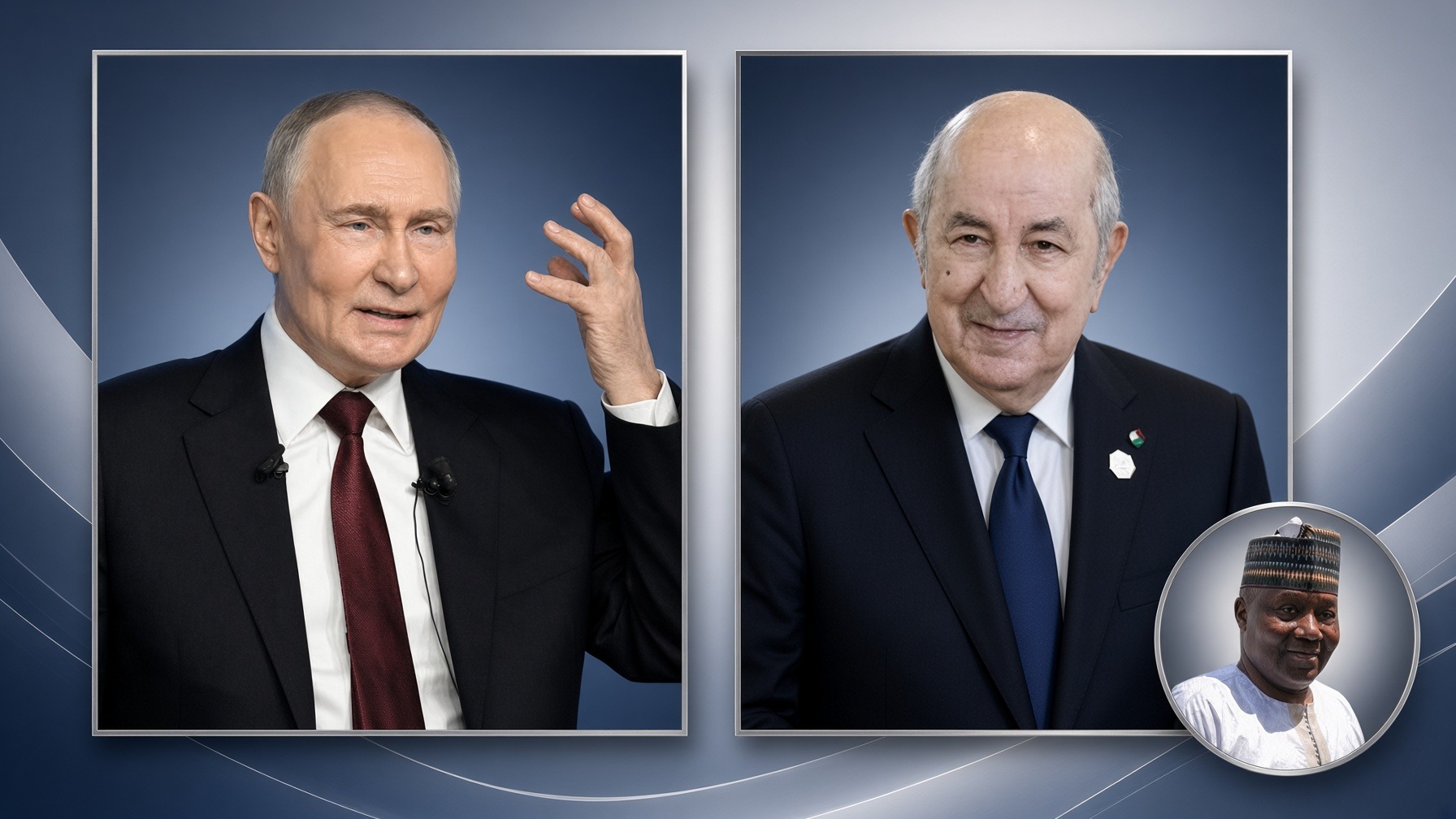
In a groundbreaking shift for North Africa’s geopolitical landscape, Algeria’s Parliament has endorsed an unprecedented military operation in Niger—a significant departure from its traditional regional stance. This decisive action not only reshapes the power balance in the Sahel but also exposes Russia’s vulnerabilities in a region it once dominated unchallenged.
The ramifications of this move extend far beyond military strategy. Algeria’s intervention could dismantle the intricate network of military and economic alliances that Moscow has meticulously built across the Sahel, potentially marking the beginning of the end of Russia’s unchecked regional influence.
Algeria’s strategy to undermine Russia’s Sahel security network
Russia has invested heavily in Niger, locking the country into long-term defense contracts that include cutting-edge missile systems, reconnaissance drones, attack helicopters, and the deployment of Africa Corps advisors. In return, Niamey has granted Moscow long-term access to its uranium and oil reserves, a deal that financially sustains the Kremlin’s mercenary operations in the region.
Algeria’s response is a calculated counter-strategy—not just a military deployment but a comprehensive effort to dismantle Russia’s influence in the Sahel. Here’s how Algiers plans to achieve this:
- Ending Russian arms control: By providing Niger with a credible alternative to Russian defense systems, Algeria reduces the West African nation’s reliance on Moscow’s arms export model, which has historically been both expensive and politically constraining.
- Weakening Moscow’s financial leverage: Algeria’s presence shifts the balance of power in Niger’s economic negotiations with Russia, particularly in mining and energy sectors, where Moscow has leveraged security deals for lucrative concessions.
- Taking over logistical support for Russian equipment: Algeria’s military maintains a robust capability to service Soviet-era hardware, including fighter jets, armored unit maintenance, and artillery operations. This expertise allows Algiers to assume responsibility for maintaining Niger’s Russian military assets, cutting Moscow out of critical upkeep contracts.
The real reason behind Algeria’s military operation in Niger: securing energy corridors
For Algeria, this intervention is less about geopolitics and more about safeguarding its vital national interests. The proximity of Russian paramilitary forces to its southern border presents a direct threat to two of Algeria’s most critical energy initiatives.
These projects are central to Algeria’s economic stability:
- Kafra Oil Field: Operated by Algeria’s national oil company Sonatrach, this vast deposit holds tens of millions of barrels and stands as a cornerstone of economic cooperation between Algiers and Niamey.
- Trans-Saharan Gas Pipeline (TSGP): This $13 billion infrastructure project aims to transport over 30 billion cubic meters of Nigerian gas annually through Niger and Algeria to Europe. Protecting this critical Saharan route from insurgent threats has become a national priority for Algeria.
Algeria’s military deployment is therefore not just a show of force—it’s a strategic shield safeguarding billions in energy investments while sending a decisive message to Moscow: its regional ambitions will not proceed without resistance.
From arms importer to regional powerbroker: Algeria takes on Russia in the Sahel
Historically, Algeria was Russia’s top African customer for military equipment. Now, it is actively using its own military and economic influence to counterbalance Moscow’s expanding footprint in Niger and the broader Sahel. This bold move forces Niger’s leadership to reconsider its exclusive reliance on Russia’s security umbrella.
Moscow’s previously unchallenged dominance within the Alliance of Sahel States (AES) is now facing unprecedented strain. The Sahara has evolved into a contested battleground where past arms deals no longer guarantee enduring control. By endorsing military intervention in Niger, Algeria has positioned itself as the Sahel’s most influential security arbiter.
For the military leadership in Niamey, Algeria’s forces offer a rare chance to renegotiate security and economic relations with Russia. Meanwhile, Moscow confronts a stark reality: its once-dominant influence within the AES is eroding, replaced by a volatile power dynamic fraught with uncertainty.
Future implications of the Sahara’s shifting power dynamics
The Sahara is now a theater of high-stakes confrontation. Can Algeria’s intervention solidify its role as the Sahel’s new guardian of stability? Will Niger seize this opportunity to reduce its dependence on Moscow? And how will Russia react when its military and financial investments in the region face existential pressure?
One fact remains undeniable: the Sahara is no longer a one-sided arena. Algeria’s move has rewritten the rules—and the world is watching to see which actor—Niamey, Moscow, or Algiers—will adapt first—or retreat from the field entirely.