
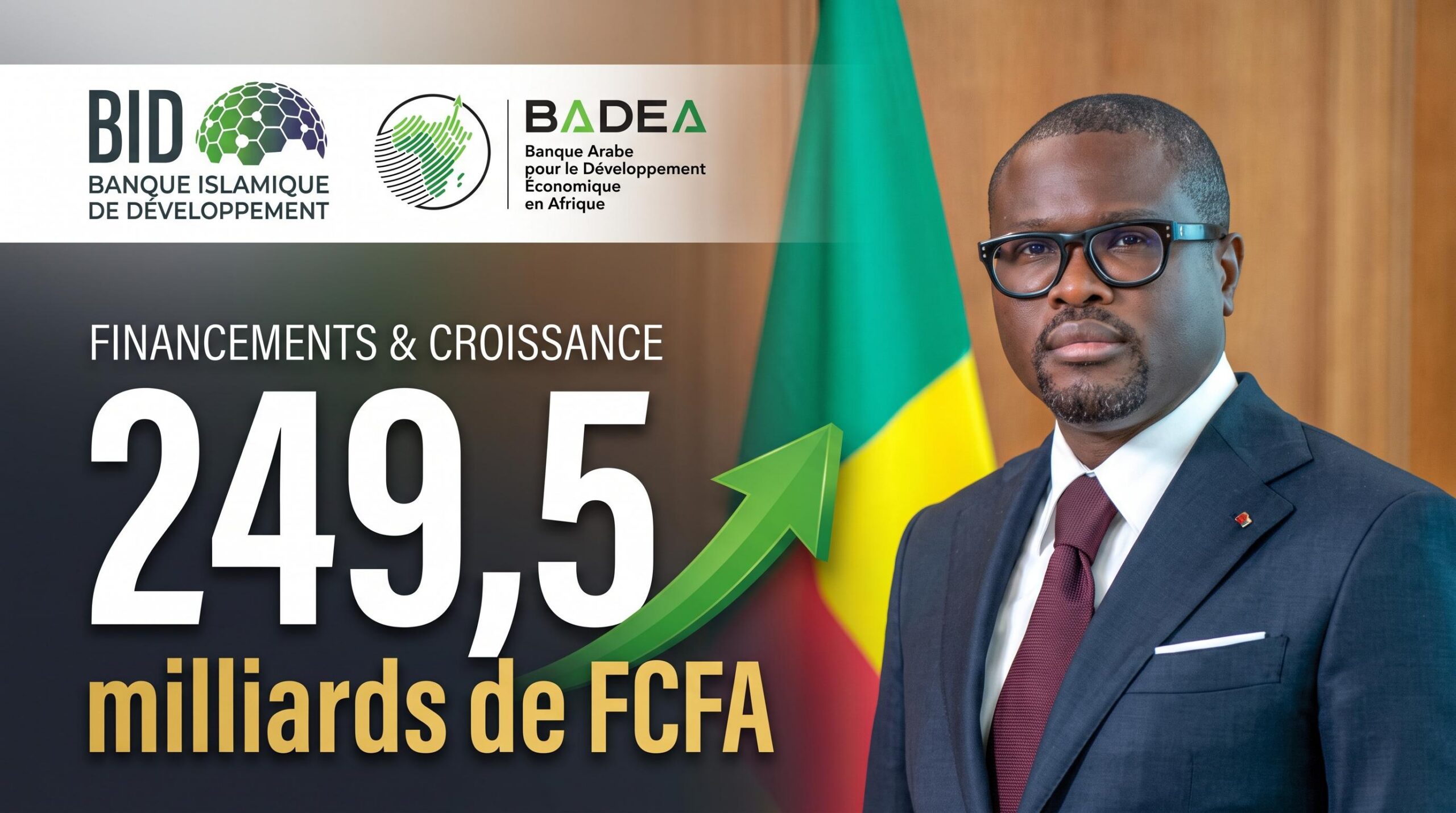
The Republic of Benin has taken a bold step forward in its economic transformation journey, securing three financing agreements totaling 249.5 billion FCFA ($418 million) with the Islamic Development Bank (IsDB) and the Arab Bank for Economic Development in Africa (BADEA). This landmark deal, finalized during the 2026 IMF and World Bank Annual Meetings in Bangkok, raises a critical question: Can Benin leverage this massive financial infusion to propel infrastructure development while maintaining fiscal prudence?
Strategic financial alliances fuel Benin’s development ambitions
The agreements signed in October 2026 represent more than just monetary commitments—they signal Benin’s growing appeal to international financial partners. The IsDB and BADEA, both key players in development financing for African nations, bring not only capital but also specialized funding instruments tailored to infrastructure projects, renewable energy initiatives, and agricultural development.
This diversification strategy allows Benin to:
- Reduce reliance on traditional bilateral donors
- Access financing with competitive interest rates and extended repayment terms
- Attract funds aligned with its priority sectors
- Strengthen its position as a stable and reliable borrower
Balancing debt growth with economic transformation
The 249.5 billion FCFA injection brings renewed attention to Benin’s debt dynamics. While public debt levels have been a subject of discussion, the country’s recent performance tells a different story. According to 2026 IMF assessments, Benin has made significant strides in:
- Reducing its fiscal deficit from 7.2% of GDP in 2021 to an estimated 3.1% in 2024
- Lowering public debt ratios through improved revenue mobilization and expenditure control
- Enhancing transparency in debt management and public procurement
- Improving investor confidence through consistent policy implementation
The key distinction lies not in the size of the debt, but in its quality and purpose. When borrowed funds finance productive assets—such as modern highways, reliable energy grids, and efficient public services—they create lasting economic value that can outweigh borrowing costs.
From financing to tangible impact: what citizens can expect
The true measure of this financial breakthrough will be its real-world impact. Benin’s leadership has emphasized that every franc mobilized must translate into:
Concrete infrastructure improvements
- National road networks with enhanced durability and safety
- Port and logistics infrastructure to boost trade competitiveness
- Rural electrification programs expanding access to power
- Water and sanitation systems improving public health outcomes
Economic opportunities for businesses and communities
Efficient infrastructure reduces transportation costs, accelerates supply chains, and unlocks new markets for local producers. The anticipated ripple effects include:
- Increased agricultural productivity and market access
- Higher industrial and service sector competitiveness
- Job creation in construction, energy, and logistics sectors
- Improved tax revenues through expanded economic activity
Transparent delivery and accountability
To ensure public trust, Benin has committed to:
- Regular publication of project progress and financial disbursements
- Independent audits of funded programs
- Community engagement in project selection and monitoring
- Clear benchmarks for project completion and performance
Safeguarding fiscal health: the road ahead
While the new financing provides a much-needed boost, Benin’s leadership faces ongoing challenges:
- Maintaining fiscal discipline: Ensuring that new borrowing does not outpace revenue growth or divert funds from essential services
- Debt service management: Planning for repayment schedules without crowding out development spending
- Revenue enhancement: Strengthening tax collection and broadening the tax base through formal sector growth
- Institutional capacity: Building strong project management teams to oversee large-scale infrastructure rollouts
The government has signaled that these new funds will complement, not replace, ongoing domestic resource mobilization efforts. The goal remains a sustainable balance between external financing and internal revenue generation.
Turning ambition into achievement
Benin’s ability to secure 249.5 billion FCFA underscores its growing credibility on the global financial stage. But credibility must be matched with execution. The coming months and years will reveal whether these funds can:
- Accelerate the pace of infrastructure development
- Improve living standards across urban and rural areas
- Stimulate private sector growth and innovation
- Strengthen Benin’s position in regional trade and integration
The stakes are high—not just for Benin’s economy, but for its social fabric. Success will depend on disciplined financial management, transparent governance, and a relentless focus on delivering value to the people. Only then will the country turn this historic financing package into a foundation for long-term prosperity.